




Choosing Your Tubs and Variety
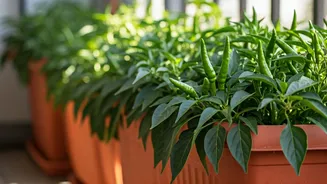
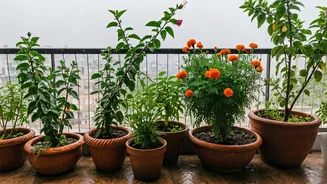
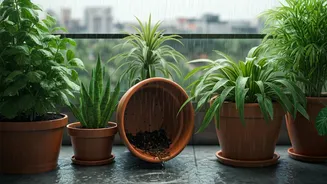
The first step to a successful harvest is selecting the right home for your plants. Plastic tubs are an excellent choice for balcony gardening because they are lightweight, affordable, and retain moisture well. Look for containers that are at least 10-12
inches deep and wide to give the roots enough space to grow. Crucially, ensure your tubs have drainage holes at the bottom to prevent waterlogging, which can cause root rot. When it comes to chili varieties, some are better suited for container gardening. For Indian kitchens, common varieties like Jwala, which is pungent and widely available, are a great start. Beginners might find it easier to start with a healthy sapling from a local nursery rather than seeds.
The Perfect Soil Mix
Chili plants are particular about their soil. They thrive in a medium that is rich in nutrients but also drains well. Simply using garden soil is often not enough, as it can become compacted in pots. Create a balanced potting mix by combining garden soil, compost, and cocopeat. A good ratio to follow is 40% garden soil, 30% compost for nutrients, and 20% cocopeat to help retain moisture. Adding a small amount of sand or perlite can further improve drainage and aeration, creating a fluffy, breathable environment where roots can flourish. This well-balanced mix acts as a supportive foundation, ensuring your plants get the right amount of water and nutrition without their roots becoming waterlogged.
Sunlight and Placement
Chili plants are sun-lovers. To produce an abundance of flowers and fruits, they need at least six to eight hours of direct sunlight every day. Before you plant, observe your balcony to identify the sunniest spot. A south or west-facing balcony is often ideal as it receives consistent light throughout the day. Once you've found the perfect location, try to keep the plant there. Moving it around can cause stress as it constantly has to reorient its leaves towards the sun. Consistent sunlight is key to sturdy stems, healthy leaves, and, most importantly, a bountiful harvest of spicy chilies.
Watering Wisely
One of the most common mistakes in container gardening is improper watering. Chili plants prefer moist soil but despise being waterlogged. The best rule of thumb is to check the soil with your finger; if the top inch feels dry, it's time to water. In hot summer months, you may need to water daily, preferably in the early morning or late evening to reduce evaporation. Always water the soil directly and avoid wetting the leaves, which can help prevent fungal diseases. Overwatering is a greater danger than underwatering, as it can lead to root rot and kill the plant. So, always ensure the excess water can drain away freely.
Feeding and Simple Pruning
While a good soil mix provides initial nutrients, container plants need regular feeding to stay productive. Once your chili plant is established and starts to produce flowers, you can feed it every couple of weeks with a balanced organic fertilizer. Look for fertilizers rich in potassium, which encourages fruiting. You can also enrich the soil with compost every month. Another simple trick to get a bushier plant with more branches is to pinch off the top growth when the plant is about six inches tall. This encourages the plant to grow outwards, resulting in more branches, which means more flowers and more chilies for you to enjoy.
Harvesting and Pest Management
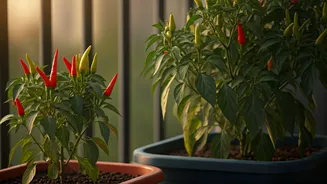
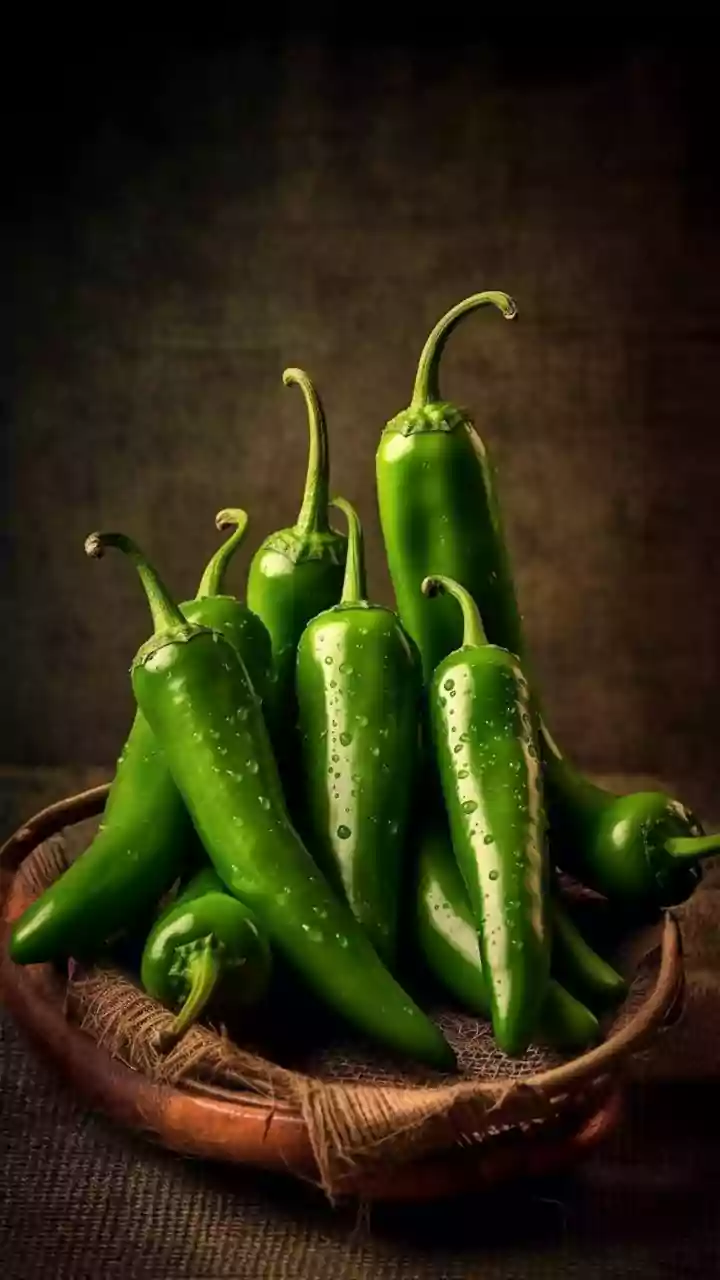
Soon enough, you'll see small green chilies appearing. You can harvest them at any stage, but regular picking encourages the plant to produce more flowers and fruit. Use a pair of scissors or simply snap the stem cleanly to avoid damaging the branch. For pests, balcony gardens are less prone to issues, but it's wise to keep an eye out for common culprits like aphids. Check the undersides of leaves regularly. If you spot any pests, a simple spray of neem oil solution is an effective and organic way to manage them.