





From Pantry Staple to Status Symbol
For years, the convenience of store-bought condiments reigned supreme. Busy schedules and the allure of mass-produced perfection pushed the traditional sil batta (grinding stone) and the patient art of chutney-making into the realm of nostalgia, reserved
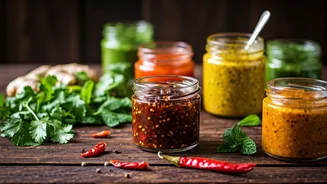
for visits to grandmother's house. But a quiet revolution has been brewing. The jar of neon-green mint chutney from a plastic bottle is being replaced by rustic, flavour-packed homemade versions. What was once a simple, everyday condiment has been elevated. Today, a jar of homemade chutney, especially a rare or regional variety, is a sign of a thoughtful cook and a well-stocked, modern Indian pantry. It signals a return to roots, a rejection of preservatives, and a celebration of authentic taste.
The Health and Wellness Factor
A significant driver behind this trend is the growing collective consciousness around health and wellness. As more people scrutinise ingredient labels, the appeal of preservative-laden, sugar-heavy commercial sauces has dwindled. Homemade chutneys offer complete control. You decide the amount of salt, sugar, and oil. You can swap in healthier sweeteners like jaggery or dates. This desire for 'clean eating' isn't about deprivation; it's about harnessing the natural goodness of fresh ingredients. Herbs like mint and coriander are packed with antioxidants, spices like ginger and garlic have digestive benefits, and ingredients like amla or flaxseed can be easily incorporated to turn a simple condiment into a nutritional powerhouse. Making chutney at home has become a delicious form of self-care.
Nostalgia in a Jar
Flavour is deeply tied to memory. For many Indians, the taste of chutney is the taste of childhood—of hot parathas dipped in tangy tamarind chutney after school, or the fiery kick of a raw mango chutney that marked the arrival of summer. The pandemic and subsequent lockdowns amplified this craving for comfort and connection. Recreating these family recipes became a way to bridge physical distance and honour culinary heritage. The process itself—the sourcing of fresh ingredients, the rhythmic chopping, the magic of blending—is a grounding, sensory experience that connects us to our past and to the generations of women who perfected these recipes without ever writing them down. Each jar tells a story of a family, a region, and a season.
The Social Media Showcase
You can't scroll through Indian food Instagram or YouTube without encountering a mesmerising reel of chutney-making. Social media has played a pivotal role in making this traditional craft cool again. Food bloggers and home chefs are demystifying the process, offering step-by-step tutorials that make even complex recipes seem achievable. The visual appeal is undeniable—vibrant green coriander, deep red tomatoes, and speckled peanut chutneys look stunning on camera. This digital showcase has also fuelled a new wave of experimentation and discovery. Forgotten regional gems, like the robust Maharashtrian thecha, the sweet and sour Bengali tomato khejur chutney, or the piquant Gongura chutney from Andhra Pradesh, are finding a national audience, encouraging cooks to explore the incredible diversity of India's condiment culture beyond the usual mint and tamarind.
The Modern, Versatile Condiment
The final piece of the puzzle is versatility. The new-age Indian kitchen sees chutney as more than just a side for samosas and dosas. It's being creatively repurposed as a sandwich spread that's far more interesting than mayonnaise, a marinade for grilled meats and vegetables, a flavour base for curries, or a zesty dressing for salads. A spicy tomato chutney can elevate a simple bowl of pasta, while a cooling mint-yoghurt chutney can be drizzled over roasted potatoes. This adaptability makes it an invaluable tool for busy home cooks who want to add a punch of complex flavour to their meals without spending hours in the kitchen. A well-made chutney is the ultimate meal-prep hack, ready to transform any dish from bland to brilliant.