


What Exactly Is Sourdough Discard?
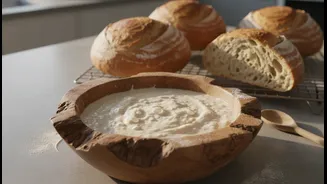
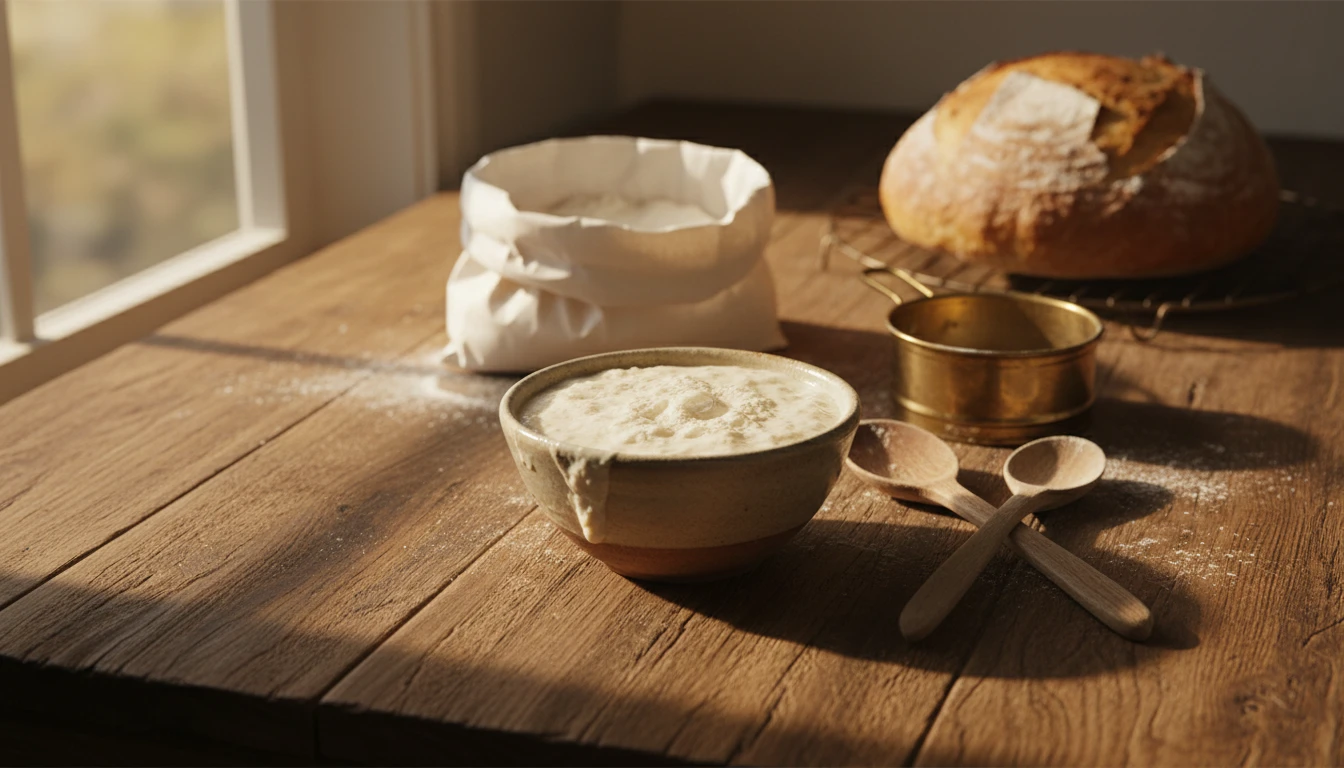
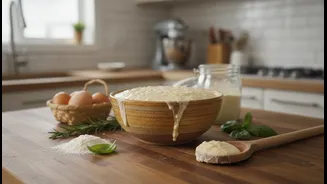
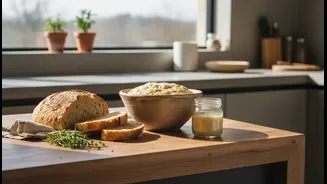
Sourdough discard is the portion of starter a baker removes before a feeding. Think of a sourdough starter as a living culture of wild yeast and bacteria that needs regular refreshments of flour and water to stay healthy and active. To prevent the starter from
growing into an unmanageable size and to keep its culture vigorous, bakers must discard a portion of it. This isn't a sign that anything is wrong; it's a normal, necessary step in maintaining a robust starter capable of leavening bread. For years, this mixture of flour, water, and mature culture was simply thrown out, but a shift in mindset is rebranding it from a waste product to a valuable kitchen asset.
A Shift in Kitchen Philosophy
The growing popularity of using sourdough discard is directly linked to the wider movement towards reducing food waste. In an era where home cooks are more mindful than ever about their environmental impact, throwing away a perfectly good food product feels increasingly out of step. Using discard aligns with a 'root-to-stem' philosophy, where every part of an ingredient is valued. It's a simple, tangible way for home bakers to make their hobby more sustainable. This change isn't just about guilt or obligation; it's a creative challenge that has unlocked a whole new world of recipes, turning a routine chore into an opportunity for culinary invention.
The Culinary Case for Discard
Beyond its eco-friendly credentials, sourdough discard is a fantastic ingredient in its own right. It adds a complex, tangy flavour to recipes that can't be easily replicated. This signature sourness comes from the lactic and acetic acids produced during fermentation. When added to baked goods like muffins, cookies, or pancakes, it provides a subtle depth and a tender crumb. The discard is generally not active enough to leaven recipes on its own, so it's often paired with chemical leaveners like baking soda or baking powder. The acidity in the discard can even react with baking soda to give an extra lift. The age of the discard affects its flavour; fresh discard is mild, while discard stored in the fridge for a week or more develops a more pronounced tang.
A World of Discard Delights
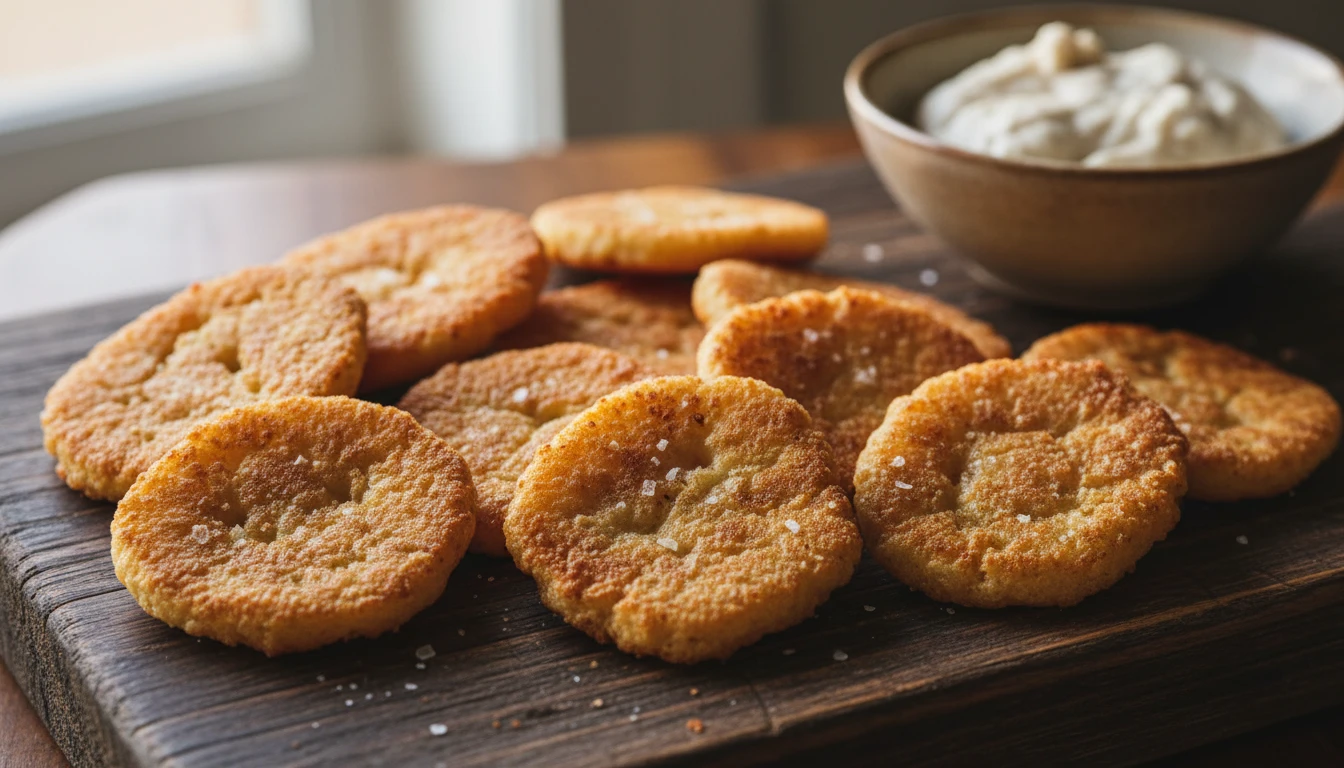
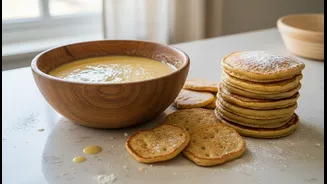
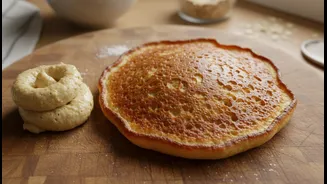
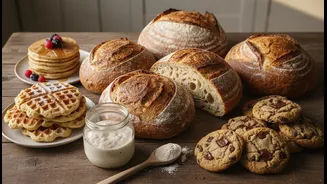
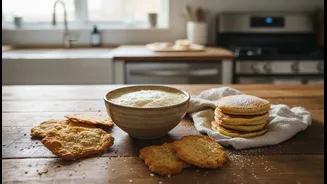
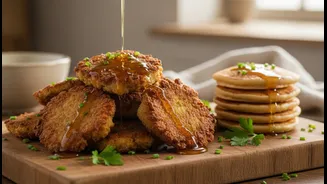
The versatility of sourdough discard is its true superpower. It can be incorporated into a vast array of sweet and savoury dishes. Some of the most popular uses include crispy, flavourful crackers and light, fluffy pancakes and waffles. But the creativity doesn't stop there. Home cooks are using discard to make tender pizza dough, rich chocolate cake, flavourful biscuits, and tangy blueberry muffins. You can find recipes for everything from sourdough scallion pancakes and pretzels to pasta and brownies. This boom in recipes, shared widely across food blogs and social media, has made it easier than ever to find inspiration and turn your discard into a delicious meal or snack.
Getting Started with Your Discard
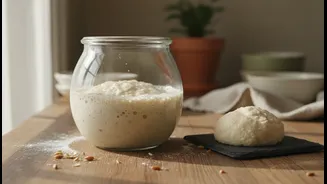
Using your discard is straightforward. It can be stored in a sealed container in the refrigerator for a week or even longer. A dark, alcoholic-smelling liquid called 'hooch' might form on top, which is a normal byproduct of fermentation; you can either stir it in for a stronger flavour or pour it off. Most recipes call for discard straight from the fridge, sometimes brought to room temperature. Because it's a 50/50 mix of flour and water by weight, some advanced bakers even substitute it into standard recipes by adjusting the flour and liquid amounts accordingly. From a simple pancake batter to a complex cake, integrating discard is a small step that brings big rewards in flavour and sustainability.