





Embrace a Monsoon-Ready Diet
The humid, damp weather of the monsoon can weaken digestive fire, or 'agni,' according to Ayurveda. This makes it crucial to favour light, warm, and freshly cooked meals. Many devotees observing Shravan fasts naturally adopt this principle by eating a sattvic
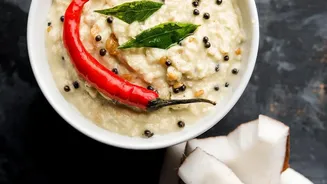
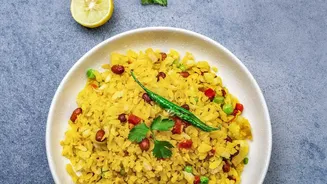
diet. Incorporate easily digestible foods like moong dal khichdi, old grains like barley and rice, and vegetable soups made from pumpkin or bottle gourd. Spices such as ginger, turmeric, cumin, and black pepper can help stimulate digestion and boost immunity. It's advisable to avoid heavy, oily, and fried foods, as well as raw salads, which can be harder to digest and may carry contaminants. Street food, in particular, should be avoided due to the increased risk of water-borne illnesses like typhoid and diarrhoea.
Hydrate Wisely and Boost Immunity
While it feels counterintuitive in a wet season, staying properly hydrated is essential. However, the source of your water matters immensely. Opt for boiled, purified, or filtered water to protect yourself from contaminants that cause diseases like jaundice and gastroenteritis. Sipping warm water or herbal teas throughout the day can aid digestion and help flush out toxins. Teas made with tulsi, ginger, and cinnamon are excellent choices for boosting your immune system. While many enjoy curd, Ayurveda suggests opting for buttermilk during the day in this season and avoiding curd at night. To further support your immunity, include foods rich in Vitamin C, like amla and citrus fruits.
Choose Your Wardrobe Wisely
The key to monsoon comfort is choosing the right fabrics. Lightweight, breathable materials like fine cotton, linen, and rayon are ideal. They don't cling to the skin in high humidity and dry quickly if you get caught in a shower. Heavier fabrics like denim and pure, thick cotton should be avoided as they absorb a lot of water and take a long time to dry. When it comes to style, opt for shorter or mid-length kurtis, dresses, and cropped trousers to avoid dragging your hems through muddy puddles. Bright and vibrant colours like yellow, red, and pink can also help lift your spirits on grey, overcast days.
Prioritise Personal and Home Hygiene
The monsoon provides a perfect breeding ground for germs, mosquitoes, and fungi. Frequent handwashing with soap and water is one of the simplest and most effective ways to prevent infections. Pay special attention to your feet; if they get wet, dry them thoroughly as soon as possible to prevent fungal infections like athlete's foot. Wearing waterproof or quick-drying footwear with a good grip is essential. At home, prevent water from stagnating in coolers, flower pots, or any open containers to stop mosquitoes from breeding, which helps reduce the risk of dengue, malaria, and chikungunya. Ensure your living spaces are well-ventilated to prevent the growth of mould and keep everything smelling fresh.
Stay Active and Mindful
The rain might limit outdoor activities, but it's important to maintain a regular exercise routine to keep your body strong and your immunity up. Indoor activities like yoga, simple home workouts, or even dancing are great options. Shravan is also a time for spiritual reflection. This focus on mindfulness can be complemented by gentle physical activity. Beyond exercise, ensuring you get adequate sleep is crucial. Proper rest allows your body to recover and helps you fight off infections effectively. Many Ayurvedic practitioners also recommend a daily self-massage (abhyanga) with warm sesame oil to help pacify the Vata dosha, which is often aggravated during this season, leading to issues like joint pain.