

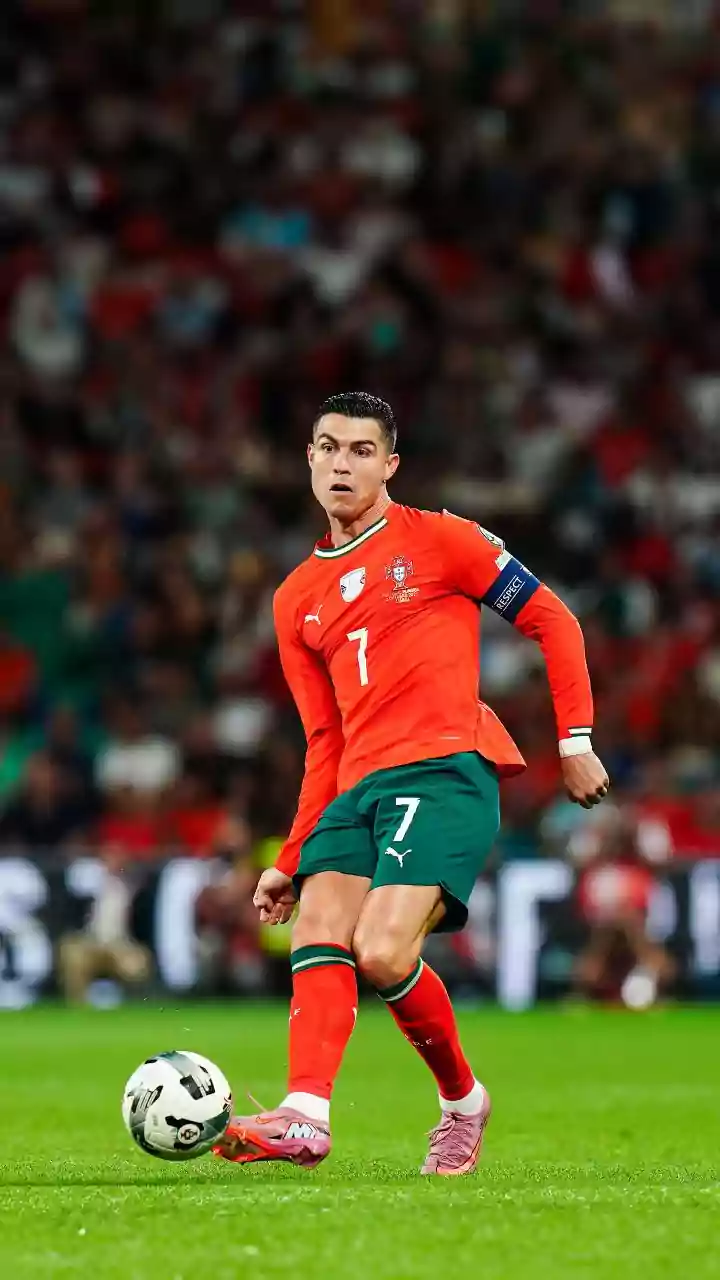



The Shock Exit from Camp
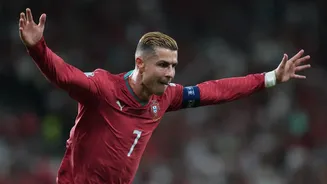
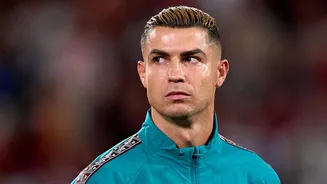
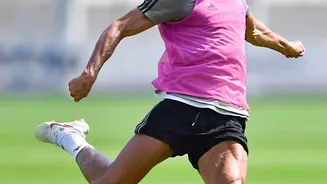
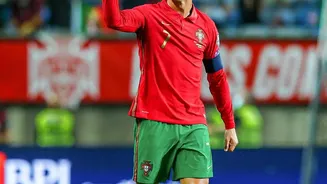
The controversy began when Cristiano Ronaldo, the team's 41-year-old captain, abruptly left the national team's training camp during the recent UEFA Nations League window. This was not a quiet departure. It happened before key matches, leaving teammates
and fans stunned. In a detailed statement released on October 6, Ronaldo confirmed he left after what he described as broken promises from head coach Jorge Jesus regarding his playing time. He has since apologised to the Portuguese people and his teammates for the decision, but firmly placed the blame on the manager for the breakdown in trust.
A Fallout with a New Coach
The man at the other end of this dispute is Jorge Jesus, who was only appointed as Portugal's head coach in July 2026, taking over after the World Cup. The relationship is complicated, as Jesus had previously coached Ronaldo at the club level with Al-Nassr in Saudi Arabia, where they won a league title together. According to Ronaldo's lengthy statement, Jesus had broken his word to him on two separate occasions. The flashpoint occurred when Ronaldo was told he would play for 30 minutes in a match against Norway, warmed up extensively, but was never brought onto the pitch. Ronaldo stated this was the final straw, leading to his decision to leave the camp. For his part, Jesus has remained tight-lipped, saying only that he is focused on his work with the national team.
Is a Six-Month Ban Realistic?
The headline-grabbing 'six-month ban' comes directly from the Portuguese Football Federation's (FPF) own disciplinary regulations. According to the rules, any player who leaves a national team call-up without justification can be suspended for a period ranging from one to six months. This is the maximum possible punishment for such an offence. While Ronaldo himself has stated that he expects and deserves to be punished, and that being captain should be an aggravating factor, the final decision rests with the FPF. Reports from Portuguese media suggest that Ronaldo's public admission and apology could lead to a reduced sentence, potentially halving whatever punishment is decided. A final ruling has not yet been made, so while a six-month ban is technically possible under the regulations, it represents the most severe outcome, not necessarily the most likely one.
What This Means for Ronaldo's Future
Despite the drama and the impending suspension, Ronaldo has made it unequivocally clear that he is not retiring from international football. In his statement, he insisted that after serving whatever ban is handed down, he will remain available for selection for the national team, as he always has been. At 41, many players would have already hung up their boots, but Ronaldo's drive to continue competing at the highest level remains evident. The fallout with Jesus complicates things significantly. It creates a tense environment within the national setup and raises questions about how the player-manager relationship can be repaired. The entire episode puts the Portuguese Football Federation in a difficult position: how to discipline their greatest-ever player while managing the authority of their new head coach.