


The Ancient Wisdom of Eating for Warmth
The practice of eating seasonally in India is deeply rooted in Ayurveda, the ancient system of medicine that emphasizes balance. According to Ayurvedic principles, winter is dominated by the Vata dosha, which is characterized by cold and dryness. To counteract
this, traditional cooking shifts to foods that are inherently warming and nourishing. This isn't just about eating hot meals; it's about selecting ingredients that generate internal heat, a process known as thermogenesis. These foods help improve circulation, boost a naturally stronger winter metabolism, and provide the sustained energy needed to thrive during the colder months.
The Spice Cabinet's Fiery Arsenal
Spices are the heart of India's thermal cooking. Ingredients like ginger, turmeric, cloves, cinnamon, and black pepper are indispensable. Ginger is known for its anti-inflammatory properties and its ability to clear the respiratory tract. Turmeric, with its active compound curcumin, promotes blood circulation and has a thermogenic effect. Cloves also improve blood flow, inducing a sensation of warmth. Spices like cardamom, cumin, and coriander are staples in blends like Garam Masala, which literally translates to 'hot spice mix', designed specifically to heat the body. These are added to everything from teas and soups to rich curries.
Hearty Grains and Root Vegetables
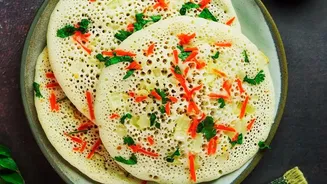
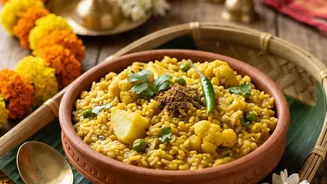
Winter menus feature a wonderful array of hearty produce and grains. Millets like bajra (pearl millet) and ragi (finger millet) become staples. These slow-digesting grains provide lasting energy and warmth, often prepared as thick rotis or comforting khichdi. The season also brings an abundance of root vegetables, such as carrots, sweet potatoes, and turnips, which are naturally grounding and dense in nutrients. One of the most iconic winter dishes, 'Sarson ka Saag', is made from mustard greens, which have warming properties, and is traditionally served with 'Makki ki Roti' (corn flatbread) and a generous dollop of butter.
The Golden Duo: Ghee and Jaggery
No discussion of Indian winter foods is complete without mentioning ghee and jaggery (gur). Ghee, or clarified butter, is a healthy fat that lubricates the body, aids digestion, and provides warmth. Jaggery, an unrefined sugar made from sugarcane or date palm sap, is preferred over processed sugar in winter. It is packed with iron and minerals, helps purify the blood, and its natural heat-producing quality makes it a potent weapon against the cold. This combination is a powerhouse, often used to make energy-boosting winter sweets like 'Panjiri', a mix of whole-wheat flour, ghee, sugar, and nuts, or simply eaten together to ward off weakness.
Sweet, Warming Winter Delicacies
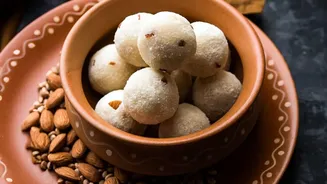
The focus on thermal ingredients extends to desserts. 'Gajar ka Halwa', a rich pudding made from grated carrots, milk, ghee, and sugar or jaggery, is a quintessential winter treat. Carrots are a winter vegetable, and when combined with the warmth of ghee and milk, the dessert becomes both a comfort food and a source of nourishment. Another popular category of winter sweets is laddoos made with sesame seeds ('til') and jaggery. Sesame seeds are known for their heat-generating properties, and these laddoos are traditionally consumed to keep the body warm and boost immunity.