




The Master Plan: Your First Step
The single most effective way to reduce food waste happens before you even buy a single ingredient: planning. Start by confirming your guest list. A rough headcount is better than no count at all. Ask about dietary preferences or restrictions in advance.
Based on this, create a balanced menu. There's no need for twenty different dishes. A well-thought-out menu with a few crowd-pleasing mains, a couple of sides, a dal, rice, and a dessert is more than enough. Aim for dishes with some overlapping ingredients to simplify shopping and reduce the chance of having leftover raw materials.
Shop Smart, Not in Bulk
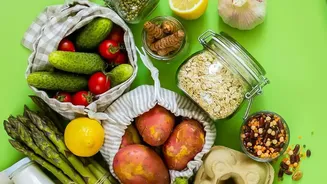
Once your menu is set, make a detailed shopping list and stick to it. It’s easy to get tempted by bulk offers at the supermarket, but these are often a primary cause of waste. Buy fresh produce, especially leafy greens and herbs, as close to the event as possible. For dry goods like spices, dals, and grains, check your pantry before you shop. Use the “First-In, First-Out” (FIFO) principle: organize your pantry so older items are at the front, ensuring they get used before they expire. This simple habit, borrowed from professional kitchens, keeps your stock rotated and fresh.
The Art of Portion Control
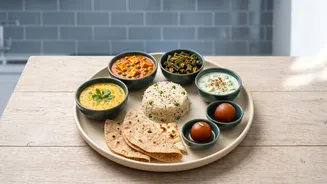
Calculating portions for large Indian meals can feel daunting, but a few simple guidelines can help. A traditional thali is a great model for portion control, offering variety in small quantities. As a general rule of thumb for raw ingredients per person, consider about 30 grams of uncooked dal or 70-80 grams of uncooked rice. For vegetables, aim for about 150-200 grams per person. It’s better to serve slightly smaller portions and encourage guests to take seconds than to scrape large amounts of uneaten food from plates. This strategy allows everyone to taste everything without feeling overwhelmed or wasteful.
Prep and Store Intelligently
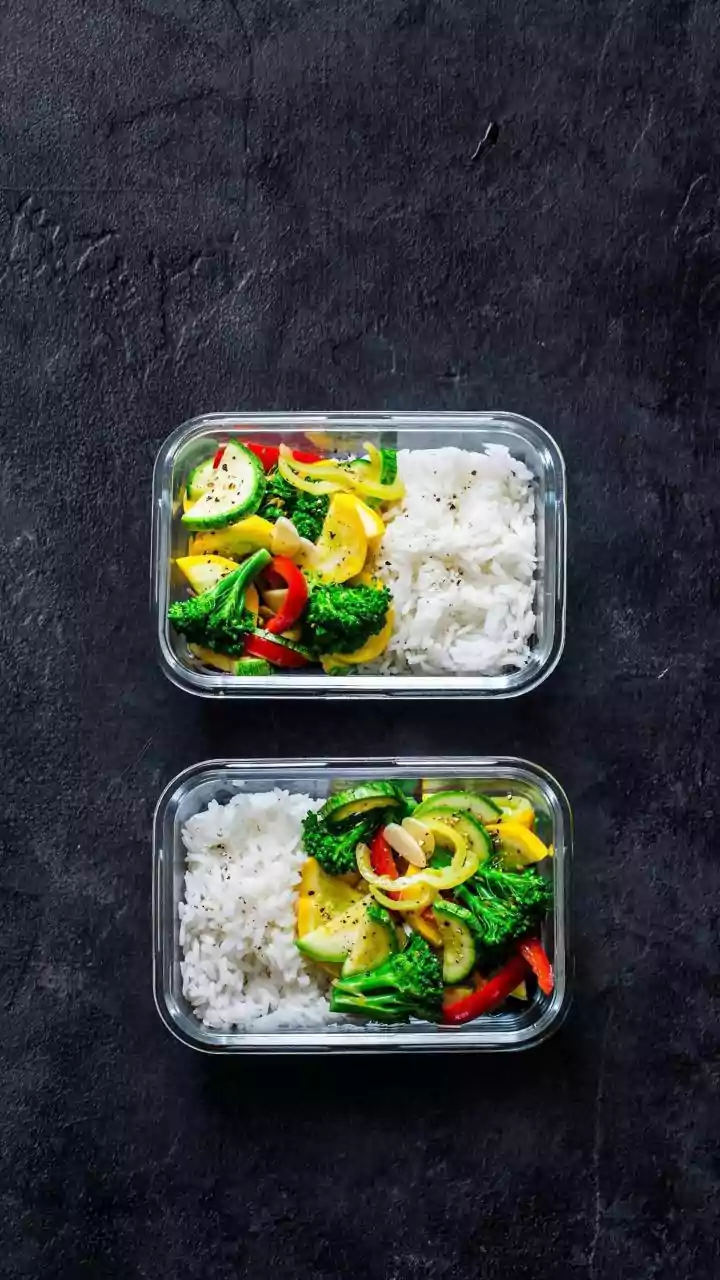
Proper preparation and storage are crucial for preventing spoilage. Many Indian gravy bases, like a bhuna masala, can be made days in advance and refrigerated. Vegetables can be chopped and stored in airtight containers. Wash and thoroughly dry herbs like coriander and mint, wrap them in a paper towel, and place them in a container in the fridge to extend their life. Store spices in airtight containers away from heat and light to preserve their aroma. Dairy products like paneer and yogurt should always be refrigerated and used quickly. These steps not only save time on the main day but also keep your ingredients in peak condition.
Reimagining Your Leftovers Creatively
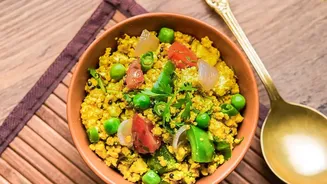
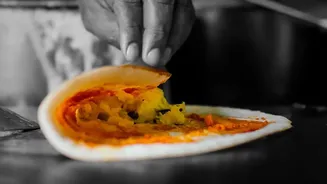
Even with the best planning, leftovers happen. But instead of just reheating, think about transforming them. Leftover rice can become delicious masala fried rice or crispy tikkis. Dry sabzis or salads can be used as a filling for parathas or wraps. Got extra dal? Turn it into dal dhokli by adding spiced wheat flour dumplings. Even sweets can be repurposed; crumbled ladoos make a fantastic topping for ice cream or can be blended into a milkshake. Leftover biryani can be turned into arancini-style balls, and tandoori chicken can be shredded for a gourmet sandwich filling. Thinking of leftovers as ingredients for a new dish makes them exciting again.
Share the Abundance
If you find yourself with a significant amount of untouched, surplus food, one of the most fulfilling things you can do is share it. Pack up meals for your guests to take home. Alternatively, identify local charities, community refrigerators, or food banks that accept cooked food donations. This not only prevents waste but also spreads the festive joy to those in need, embodying the true spirit of celebration.