




The Nostalgia of Summer
Remember those summer holidays? The sight of clean white sheets spread across the terrace, dotted with carefully piped blobs of white batter, drying under the fierce sun. That is the magic of sandige (or vathal, or fryums). These are more than just snacks;
they are edible capsules of sunshine and tradition. Making them is a classic Indian summer activity, a beautiful lesson in sustainability and culinary wisdom. By turning something as humble as leftover cooked rice into a crunchy, flavourful condiment that lasts for months, we participate in a ritual that honours resourcefulness and taste in equal measure.
Gather Your Ingredients
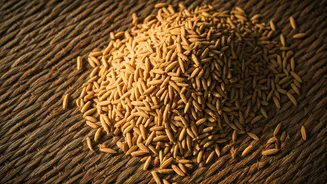
The beauty of this recipe lies in its simplicity. You don't need fancy ingredients, just a little patience and a lot of sunshine. **Here’s what you’ll need:** - **Leftover Cooked Rice:** About 2 cups. Any plain, non-sticky variety like Sona Masoori works best. Avoid basmati if possible, as its texture can be too separate. - **Water:** Approximately 4-5 cups. The exact amount depends on the type of rice. - **Green Chillies:** 3-4, or to taste. This is where you control the heat. - **Cumin Seeds (Jeera):** 1 teaspoon. - **Asafoetida (Hing):** A generous pinch (about ¼ teaspoon). - **Salt:** To taste. Remember that the sandige will shrink and concentrate the salt, so be slightly conservative. - **Lemon Juice:** 1 tablespoon (optional, for a slight tang and whiter colour). You will also need a heavy-bottomed pan, a mixer-grinder, and a clean plastic sheet or cloth for drying.
Step 1: Prepare the Batter
This is the most crucial step. First, take your leftover cooked rice and grind it into a smooth paste with a little water. If the rice is very dry, you may need to soak it in warm water for 15-20 minutes before grinding. Separately, grind the green chillies into a coarse paste. Next, take a heavy-bottomed pan and add the 4 cups of water, bringing it to a rolling boil. Add the salt, cumin seeds, asafoetida, and the green chilli paste. Let it boil for a minute so the water gets infused with all the flavours. Now, slowly pour the ground rice paste into the boiling water, stirring continuously to prevent any lumps from forming. A whisk can be very helpful here. Reduce the heat to low-medium and keep stirring. The mixture will start to thicken, much like making a porridge or a kheer. Cook for about 10-12 minutes, stirring constantly until the batter is thick, glossy, and cooked through. A good test is to see if the batter coats the back of a spoon. Once cooked, turn off the heat and stir in the lemon juice if you are using it. Let the mixture cool down slightly; it should be warm, not piping hot, when you pipe it.
Step 2: Sun-Drying to Perfection
Now for the fun part. Spread a clean, thick plastic sheet, a clean old dhoti, or a sari in a spot that receives direct, strong sunlight for most of the day – a balcony or terrace is ideal. You can lightly grease the plastic sheet with a drop of oil to make peeling easier, but it's often not necessary. Once the batter is cool enough to handle, you can either use a spoon to drop small, coin-sized dollops onto the sheet, or for a more uniform shape, fill the batter into a piping bag (or a sturdy plastic bag with a corner snipped off) and pipe small rounds. Leave some space between each sandige to allow for even drying. Let them dry in the sun. This process can take anywhere from 2 to 4 days, depending on the intensity of the sun in your area. Each evening, bring the sheet indoors to protect it from dew. You'll know they are ready when they are bone-dry, brittle, and peel off the sheet effortlessly.
Frying and Storing Your Creation
Once your sandige are completely dry, you've captured the sun in a jar! Store them in a clean, airtight container. They will last for over a year, ready to be enjoyed whenever you crave a crunchy bite. To eat them, heat oil in a kadai for deep frying. The oil should be hot but not smoking. Drop a few sandige into the oil; they will instantly puff up and turn a crisp white or light golden colour in seconds. Use a slotted spoon to remove them quickly before they brown, and drain them on a paper towel. These crispy delights are the perfect accompaniment to a simple meal of rice and sambar, rasam, or curd rice. They also make a fantastic, guilt-free snack on their own.