



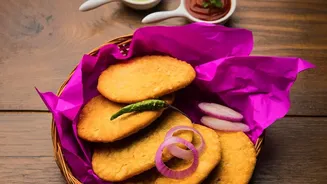
From Samosa to Smoothie Bowl
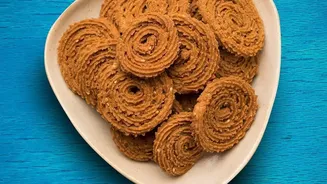
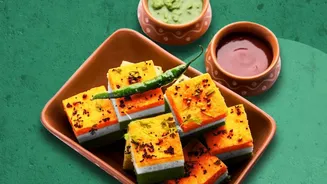
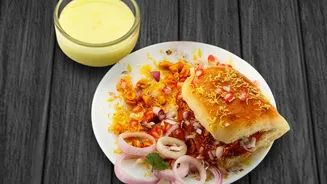
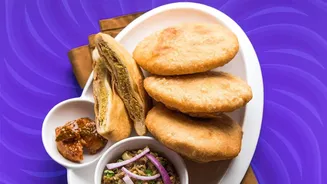
For generations, the Indian snack and breakfast routine was predictable. It was often built around comforting, home-cooked staples or indulgent, fried street food like samosas and pakoras. While these classics remain beloved, their dominance is being
challenged. Today’s young urban consumers, particularly Millennials and Gen Z, are making different choices. Their lifestyles—marked by busy schedules, longer commutes, and increased digital exposure—demand food that is both quick and nourishing. This has led to a significant move away from traditional, often heavy, options towards lighter, more functional foods. Breakfast, once a leisurely meal, is now often skipped or replaced with on-the-go formats, while evening snacks are expected to be guilt-free.
Health Consciousness as a Driving Force
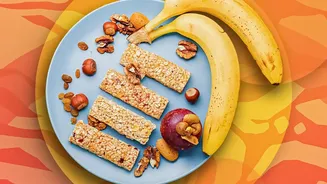
The single biggest driver of this change is a heightened awareness of health and wellness. Concerns about lifestyle diseases and a greater focus on fitness are prompting young Indians to read labels and prioritize nutrition. They are actively seeking out snacks that are baked instead of fried, low in sugar, and free from artificial additives. This “clean label” movement has created a massive market for products that offer clear health benefits. Protein, in particular, has become a key selling point, with consumers looking for everything from protein bars and high-protein yogurts to snacks fortified with nuts and seeds. This quest for healthier options is transforming the market, which was valued at over USD 3.9 billion in 2024 and is projected to grow significantly.
A Return to Roots, Reimagined
Interestingly, this health trend is not just about adopting Western food habits. It is also fueling a major revival of traditional Indian ingredients, which are now being presented in modern, convenient formats. Ancient grains like millets (ragi, jowar, bajra) are making a huge comeback. Once seen as humble, they are now celebrated as superfoods and are the star ingredients in a new wave of snacks, from millet chips and crackers to breakfast cereals. Similarly, makhana (fox nuts), once a food reserved for fasting, has become a mainstream alternative to potato chips. This trend allows consumers to connect with their culinary heritage while still meeting modern wellness goals.
Convenience is King
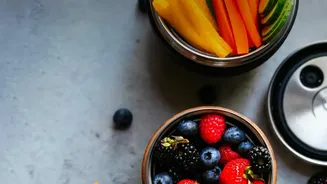
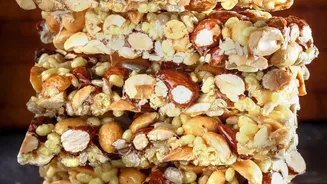
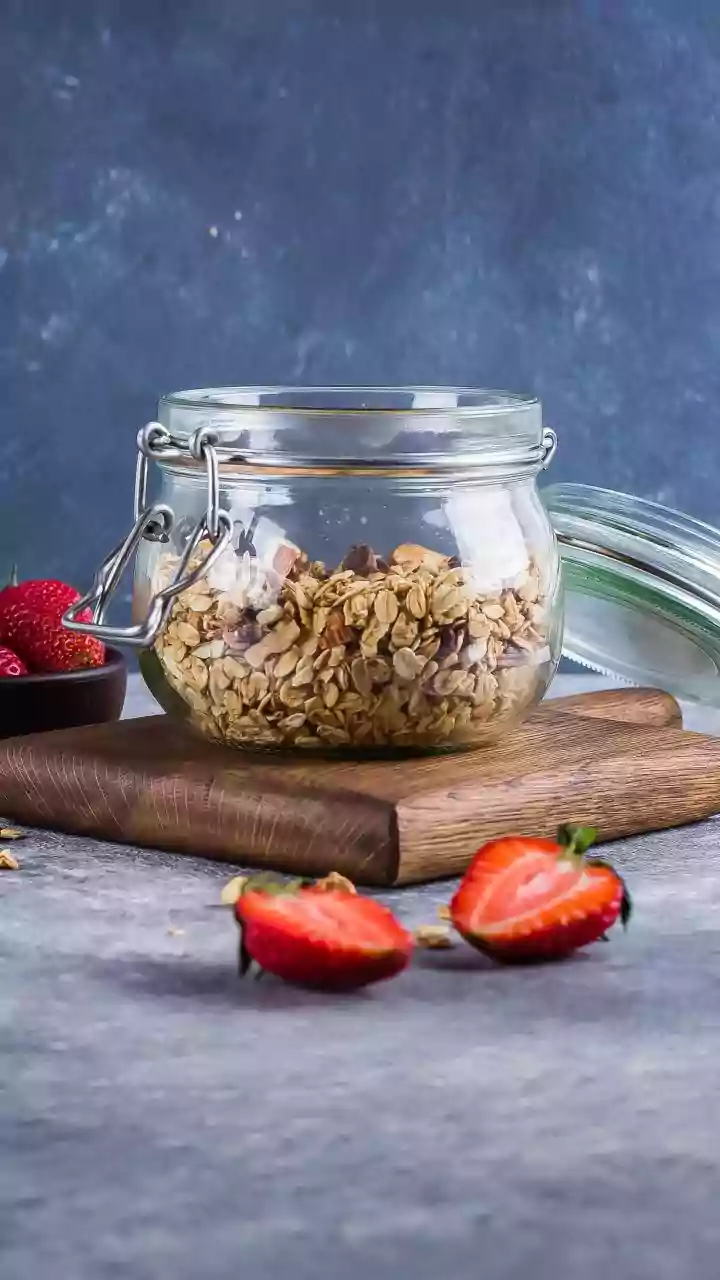
For a generation juggling demanding careers, social lives, and personal goals, convenience is non-negotiable. Young consumers need food solutions that fit into their fast-paced lives. This has fueled the demand for ready-to-eat and grab-and-go products. In the breakfast category, this means a shift towards oatmeal, muesli, and smoothie bowls that can be prepared quickly. In snacking, single-serve packs, resealable bags, and formats like protein bars and roasted nut mixes are winning. The rapid expansion of quick-commerce platforms has further accelerated this trend, making it easier than ever to get a healthy snack delivered in minutes. This need for instant gratification is reshaping not just what people eat, but how they buy it.
The Rise of New-Age Brands
This evolving consumer demand has opened the door for a wave of new-age, direct-to-consumer (D2C) brands. These startups are agile, digitally savvy, and focused on catering to the specific needs of health-conscious millennials and Gen Z. Brands like The Whole Truth, Yoga Bar, and Slurrp Farm have successfully challenged legacy FMCG giants by offering innovative products, transparent ingredient lists, and building strong communities on social media. They have been quick to capitalize on trends like plant-based diets, gluten-free options, and the demand for regional flavors with a healthy twist. While these brands face challenges with profitability and scaling in a competitive market, their influence is undeniable, forcing the entire industry to innovate and adapt.