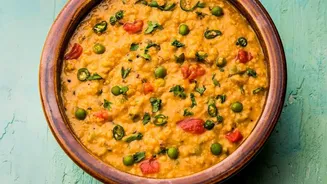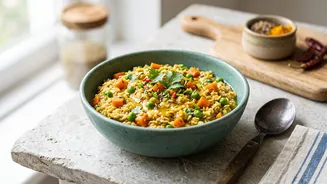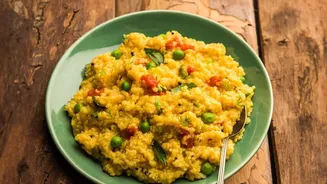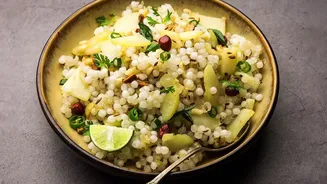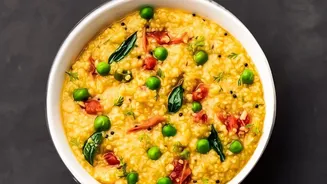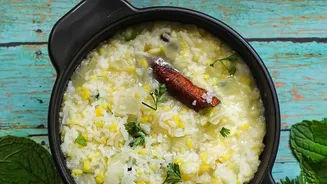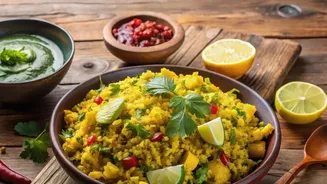




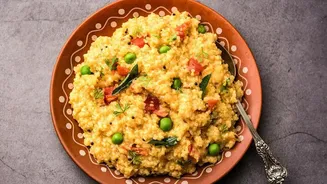
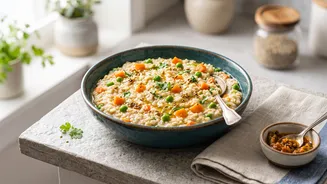
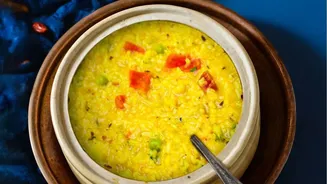
The humble khichdi, a source of comfort for generations, gets a modern, fitness-focused upgrade. By swapping rice for oats and understanding portion science, this simple dish can become a powerhouse for your training and recovery.
Why Oats Khichdi Works
Traditional khichdi,
made with rice and lentils, is already a well-balanced meal. However, substituting rice with oats elevates its nutritional profile for anyone leading an active lifestyle. Oats are packed with complex carbohydrates and a specific type of soluble fibre called beta-glucan. Unlike the simple carbs in white rice, these complex carbs provide a slow, sustained release of energy. This prevents the energy spikes and crashes that can hinder a long workout. Furthermore, oats offer more protein and fibre than white rice and are generally lower in calories, which helps in promoting fullness and managing weight.
The Perfect Training Meal
Oats khichdi serves as an excellent meal for both pre- and post-workout nutrition. Consumed two to three hours before a workout, it provides the sustained energy needed to power through a demanding session. The combination of carbohydrates from oats and protein from the lentils (dal) is key. The carbs replenish your muscle glycogen stores, which is your body's primary fuel source, while the protein gets to work repairing the micro-tears in your muscles that occur during exercise. This makes it an ideal recovery meal, helping to reduce muscle soreness and support growth. Plus, its soft consistency makes it easy to digest, ensuring your body can focus on recovery rather than heavy digestion.
Portioning For Your Goals
A recipe is just a starting point; the real magic happens when you tailor your portions to your specific fitness goals. The concept of portion control isn't about restriction, but about strategy. Your energy needs change depending on whether your primary goal is fat loss or muscle gain. For fat loss, a calorie deficit is necessary. This means your portion of oats khichdi might be smaller, or you might increase the ratio of vegetables to oats to lower the overall calorie density while staying full. For muscle gain, you need a calorie surplus to fuel tissue growth. This could mean a larger portion of khichdi, perhaps with an extra scoop of lentils to boost the protein content or a dollop of ghee for healthy fats. A general guideline for many active individuals is a macronutrient split of around 40% carbs, 30-40% protein, and the rest from fats, but this can be adjusted based on your activity level and goals.
A Simple, Versatile Recipe
Creating your own oats khichdi is simple. Start by dry roasting one cup of rolled oats until fragrant and setting them aside. In a pressure cooker or pot, heat a tablespoon of ghee or oil. Sauté cumin seeds, a pinch of asafoetida (hing), grated ginger, and a chopped green chilli. Add one finely chopped onion and cook until translucent. Stir in one chopped tomato and half a teaspoon of turmeric powder. Add half a cup of rinsed moong dal and about a cup of mixed vegetables like carrots, peas, and beans. Sauté for a minute before adding the roasted oats, about three cups of water, and salt to taste. Cook until the dal and vegetables are soft—about 2–3 whistles in a pressure cooker or 20–25 minutes in a pot. Finish with a squeeze of lemon juice and fresh coriander. This basic recipe is a canvas for customisation.
Customise Your Bowl
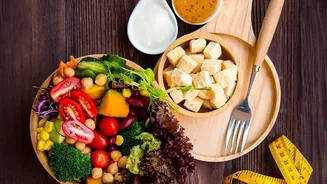
Don't be afraid to modify your khichdi to meet your needs. For an extra protein kick, especially post workout, you can add cubed paneer or tofu towards the end of the cooking process. To increase the fibre and nutrient content, load it up with leafy greens like spinach or fenugreek (methi) leaves. Adding a variety of vegetables not only boosts vitamins and minerals but also adds texture and flavour. For healthy fats, which are essential for hormone function, you can top your khichdi with a spoonful of nuts or seeds. The goal is to create a one bowl meal that is not only delicious but perfectly aligned with what your body needs to perform and recover at its best.