







A New Gateway for the Sun City
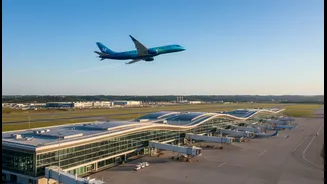
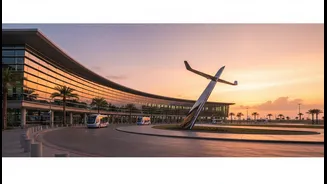
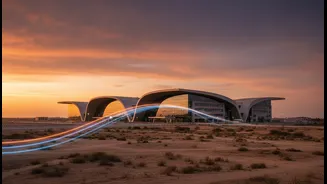
On July 4, 2026, Jodhpur inaugurated a sprawling new airport terminal, a significant infrastructure upgrade for western Rajasthan. Built at a cost of ₹480 crore, the terminal is a blend of modern efficiency and traditional design, drawing inspiration
from Rajasthan's royal architectural heritage with elements like arches and jharokhas. Spread across more than 23,000 square metres, it is designed to handle up to two million passengers annually, a substantial increase aimed at accommodating rising tourist and commercial traffic. The facility boasts modern amenities including 20 check-in counters, six aerobridges, and advanced baggage handling systems designed to create a seamless passenger experience. This expansion was critical, as passenger traffic has surged in recent years, putting the older facility under strain. The new terminal not only increases capacity but also aims for sustainability with green building practices and energy-efficient systems.
The UDAN Engine: Connecting India's Regions
The second piece of the puzzle is the UDAN (Ude Desh ka Aam Nagrik) scheme, a government initiative launched in 2016 to make air travel more affordable and accessible. The core idea is to connect India's underserved and unserved airports in Tier-2 and Tier-3 cities, essentially making it possible for the common citizen to fly. The scheme works by providing Viability Gap Funding (VGF) to airlines, a subsidy to encourage them to operate on routes that might not be immediately profitable. In exchange, a certain number of seats on these flights are sold at a capped, affordable fare. Since its inception, the scheme has been rolled out in several phases, progressively adding new routes, operationalizing airports, and even including seaplanes and helicopters to connect remote areas.
What 'Modified UDAN' Means for Travel
The recent launch of the 'Modified UDAN' or 'Viksit UDAN' marks the next chapter for the scheme, with a massive outlay of nearly ₹29,000 crore over the next decade. This revamped version is designed to accelerate aviation-led development, with a strong focus on strengthening last-mile connectivity. A key component of this new phase is a major infrastructure push, which includes developing 100 new aerodromes from existing unserved airstrips and building 200 modern helipads. For travellers, this means the potential for new, direct flight routes to smaller towns and tourist spots that were previously difficult to reach. For airlines, the scheme continues to offer financial support to sustain these regional operations. This modification is crucial for tourism, as previous versions of UDAN already introduced dedicated tourist circuits, a concept this new phase will likely expand upon.
A Perfect Synergy for Rajasthan Tourism
The combination of Jodhpur's high-capacity terminal and the expanded UDAN network creates a powerful synergy. The new terminal provides the necessary infrastructure to handle a significant increase in flights and passengers, acting as a robust hub for western Rajasthan. Simultaneously, the Modified UDAN scheme provides the policy framework and financial incentives for airlines to launch new routes connecting Jodhpur to smaller cities within Rajasthan and across India. This could unlock new tourism circuits, for example, making it easier for tourists to create an itinerary that includes Jodhpur, Jaisalmer, and Bikaner without relying solely on long road or rail journeys. The focus of Modified UDAN on developing infrastructure in remote and hilly areas could also bring previously inaccessible parts of the region onto the tourist map, diversifying offerings beyond the major cities. Officials expect this dual push to significantly boost tourism, trade, investment, and employment in the region.
Looking Beyond the Runway
The impact of this enhanced connectivity extends far beyond the airport. For the tourism sector, it means the potential for higher visitor numbers, longer stays, and the development of new hospitality projects. For local businesses, it means better access to markets and a potential influx of commercial travellers. The development also promises to create jobs, both directly in aviation and hospitality and indirectly in supporting services. However, challenges remain. Ensuring seamless last-mile connectivity from the newly connected airports to the final destinations is crucial. Furthermore, the expected rise in tourist numbers necessitates a focus on sustainable tourism practices to preserve the very heritage and culture that attract visitors. The success of this initiative will depend on a holistic approach that balances growth with sustainability and ensures the benefits are distributed across the region.