




The Heart of the Festival: Onam Sadya
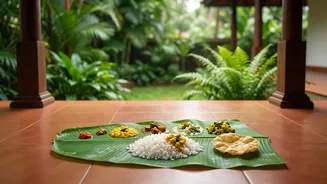
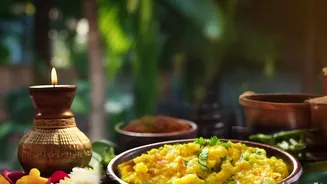
The undisputed culinary centrepiece of Onam is the Sadya, an elaborate vegetarian feast that can feature more than two dozen dishes served on a single banana leaf. Traditionally, this banquet is a symbol of abundance and is eaten by hand. Rice forms the core,
served with a progression of curries starting with a mild lentil dish called parippu curry, drizzled with ghee. This is followed by sambar, a flavourful vegetable and lentil stew, and then a tangy tamarind soup called rasam. Surrounding the rice are a host of side dishes, or 'kootan', which offer a masterclass in flavour balance. You will find avial (mixed vegetables in a coconut-yoghurt gravy), thoran (stir-fried vegetables with grated coconut), kootu curry (a sweet and savoury mix of vegetables and chickpeas), and bright, palate-cleansing pachadi and kichadi (yoghurt-based dishes). No Sadya is complete without crunchy banana chips, pappadams, and fiery pickles like puli inji, a sweet and sour ginger preserve.
The Sweet Conclusion and Savoury Snacks
The feast culminates with a series of delectable sweet puddings known as payasam. Typically, at least two types are served: a dark, jaggery-based one like Ada Pradhaman (made with rice flakes and coconut milk) and a lighter, milk-based one such as Palada Payasam. Beyond the main feast, the Onam season is a time for special snacks. Look for Sharkara Upperi, banana chips coated in a thick layer of jaggery, and Unniyappam, small, sweet fritters made from rice flour, jaggery, and banana. These treats are often prepared as offerings and shared among family and friends, embodying the festival's spirit of community.
A Splash of Excitement: Vallam Kali
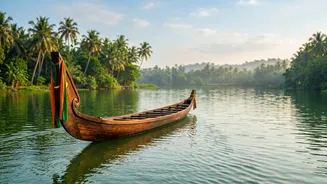
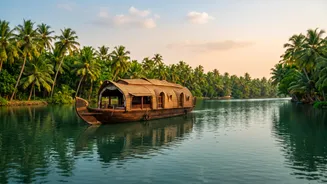
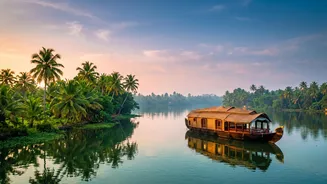
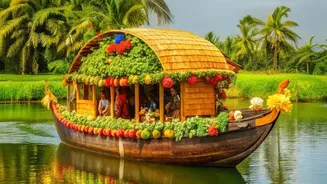
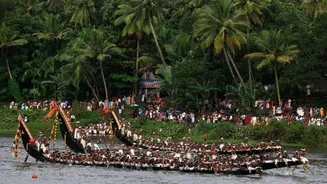
Onam's competitive spirit comes alive on the backwaters with Vallam Kali, the traditional snake boat races. These races are a breathtaking display of teamwork and power, with up to 100 oarsmen rowing in perfect unison to the rhythm of chanted boat songs (vanchipattu). The most famous of these is the Nehru Trophy Boat Race, held on Punnamada Lake in Alappuzha on the second Saturday of August; in 2026, this falls on August 22. Another significant and more ritualistic race is the Aranmula Uthrittathi Vallamkali in Pathanamthitta, scheduled for August 30, 2026. These events are more than just races; they are a vibrant cultural spectacle attracting thousands of spectators who line the riverbanks to cheer on their local teams.
The Roar of the Tiger: Pulikali in Thrissur
One of Onam’s most unique and visually stunning traditions is Pulikali, or the 'Tiger Dance'. This folk art form takes over the streets of Thrissur on the fourth day of Onam. For 2026, Pulikali is scheduled for August 29 in and around Swaraj Round. Performers spend hours being meticulously painted with intricate yellow, red, and black stripes to resemble tigers and leopards. They then dance through the streets to the powerful beat of percussion instruments like the chenda and thakil, mimicking the movements of a tiger. This energetic and playful procession, said to be over 200 years old, celebrates the festival's joyous spirit and draws massive crowds.
The Art of Tradition: Pookalam and Folk Dances
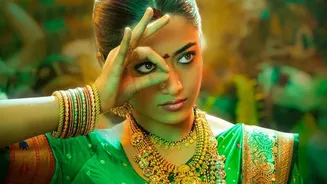
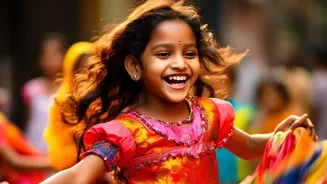
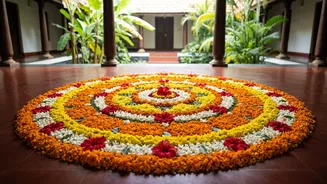
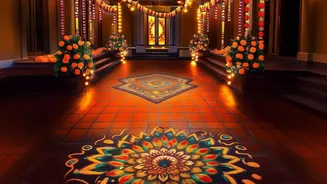
The celebration of Onam begins on a day called Atham, ten days before the main day of Thiruvonam (August 26, 2026). From this first day, a beautiful tradition begins: the creation of the Pookalam. These are intricate floral carpets laid out in the courtyards of homes and public spaces to welcome the spirit of the mythical King Mahabali. Each day of the festival, new layers of flowers are added, making the Pookalam larger and more elaborate. Onam is also a time for graceful folk dances, primarily performed by women. Kaikottikali, also known as Thiruvathirakali, involves women in traditional kasavu sarees dancing in a circle around a lamp, clapping in rhythm to special songs. These traditions, passed down through generations, connect the community to its cultural roots and the story of a golden era.