
Not All Pickles Are Created Equal
When we think of pickles, we often picture vegetables preserved in oil or a sharp vinegar brine. While delicious, these methods are primarily for preservation. Fermented pickles, however, are fundamentally different. They are made using a process called
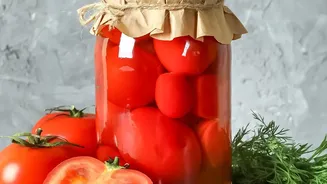
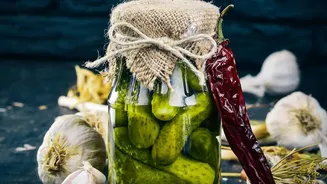
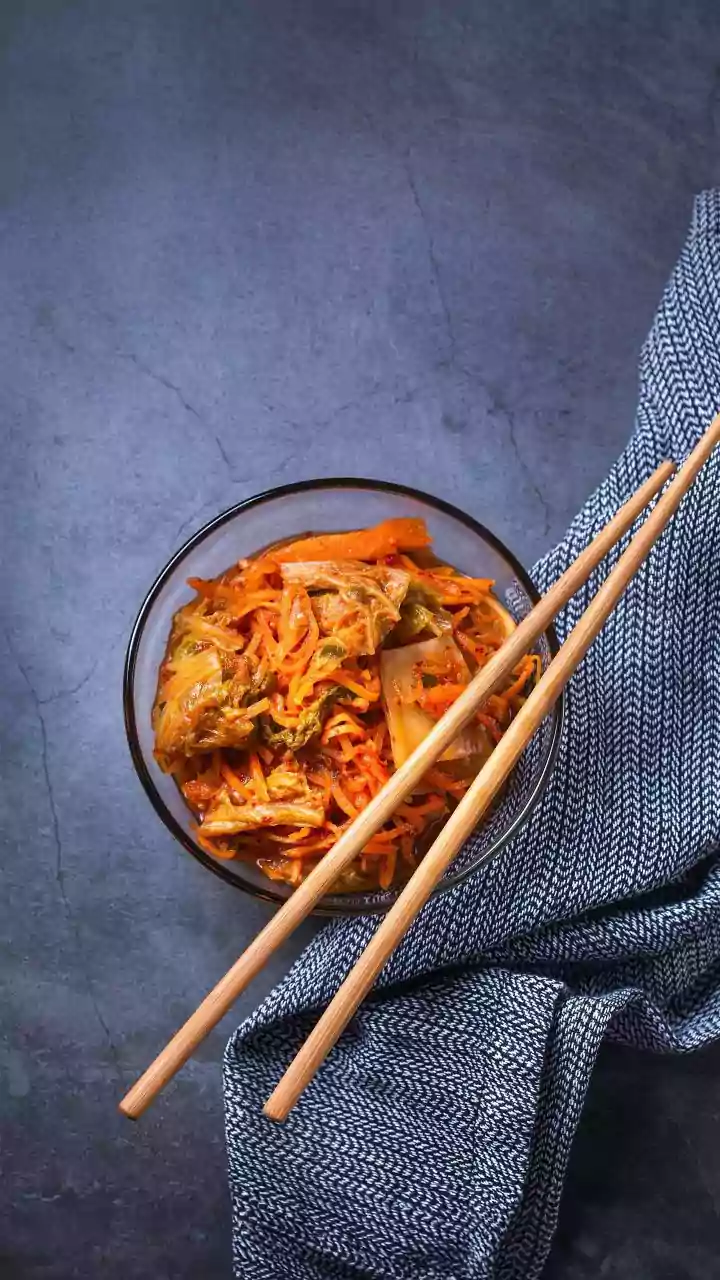
lacto-fermentation, where vegetables are submerged in a simple salt-and-water brine. Over several days or weeks, naturally present beneficial bacteria, mainly from the Lactobacillus family, get to work. These microbes convert the sugars in the vegetables into lactic acid. This not only preserves the vegetables but also creates a complex, tangy flavour and, most importantly, a food that is alive with probiotics. The result is a pickle with a rounded sourness, distinct from the sharp bite of vinegar.
A Boost for Your Gut and Beyond
The main draw of fermented foods is their probiotic content. Probiotics are live, beneficial bacteria that support a healthy gut microbiome, which is crucial for overall wellness. A balanced gut can improve digestion, strengthen the immune system, and even reduce inflammation. By eating fermented pickles, you are directly introducing these helpful microbes into your system. Health experts note that these good bacteria can help protect against harmful pathogens and may even help the body produce certain vitamins. Unlike many store-bought pickles that are pasteurised with heat, which kills these live cultures, true fermented pickles offer the full spectrum of probiotic benefits.
The Oil-Free Advantage
Traditional Indian pickles, or achaar, are often preserved in a generous amount of oil. While this method is time-tested for shelf life and flavour, it can make the pickle heavy and high in calories. The revival of oil-free fermentation offers a modern, health-conscious alternative. By relying solely on salt and the natural fermentation process for preservation, these pickles are lighter and fit perfectly into a diet focused on whole, unprocessed foods. This approach allows the crisp texture and natural taste of the vegetables to shine through, seasoned only by spices and the distinctive tang developed during fermentation. It's the perfect way to get that satisfying pickle punch without the extra oil.
From Side Dish to Star Spread
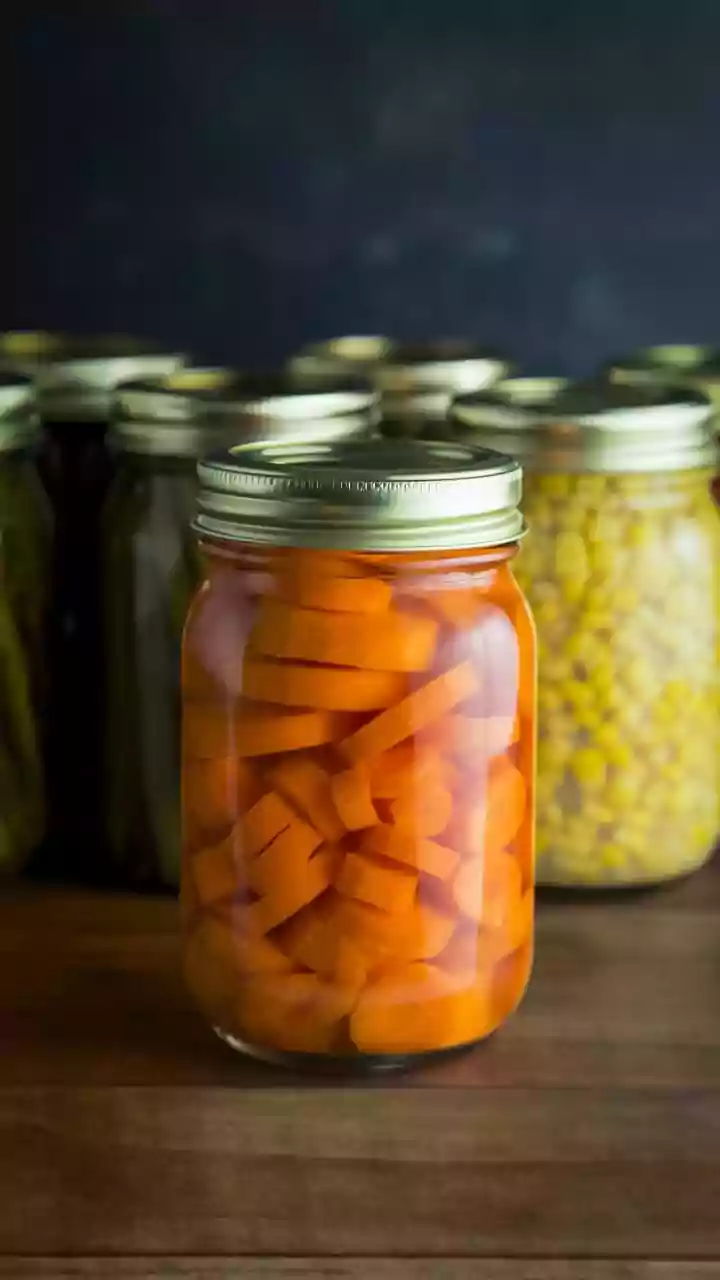
Perhaps the most exciting part of this pickle revival is its versatility. No longer just a condiment on the side of a meal, fermented vegetables can be transformed into vibrant, flavourful spreads. To do this, simply take your favourite oil-free fermented pickle—be it cucumber, carrot, or cauliflower—and chop it finely or give it a quick pulse in a food processor. The result is a tangy, textured relish that can elevate almost any dish. Spread it on toast or crackers, mix it into yogurt or cream cheese for a probiotic dip, or dollop it onto sandwiches and wraps for a burst of flavour and crunch. It’s a simple way to modernise your pantry and inject a dose of gut-healthy goodness into your everyday meals.
Start Your Fermentation Journey
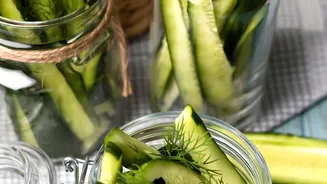
Embracing this trend is easier than you think. You can find artisanal fermented pickles in the refrigerated section of many health food stores and supermarkets—just check the label for “live cultures” and a simple ingredient list without vinegar or preservatives. For the adventurous, making them at home is a rewarding project that requires little more than vegetables, salt, water, and a glass jar. Starting with a simple recipe for fermented cucumber or carrot slices can be a great entry point into the world of home fermentation. It allows you to control the salt, the spices, and the level of sourness, creating a custom pickle that’s perfectly suited to your taste.