


Modelling a Worst-Case Scenario
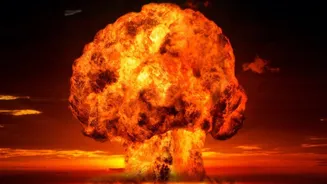
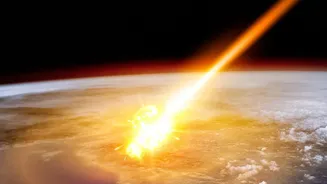
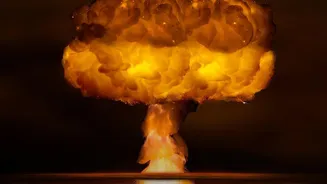
Recent research from physicists at the University of Wisconsin-Madison and Princeton University has brought a chilling, once-theoretical threat into sharp focus. Their computer model simulates the effects of a one-megaton nuclear weapon detonated at an altitude
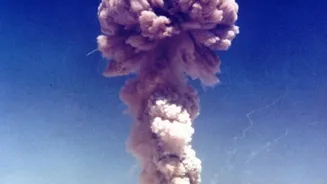
of 500 kilometres. This is not science fiction; during the Cold War, both the US and the Soviet Union conducted high-altitude nuclear tests. The most famous, the US 'Starfish Prime' test in 1962, involved a 1.4-megaton blast at 400 kilometres and unexpectedly disabled about a third of the few dozen satellites in orbit at the time. The new simulation was designed to understand what such an event would mean today, with over 13,000 satellites now crowding low-Earth orbit (LEO).
The Lingering Threat of Radiation
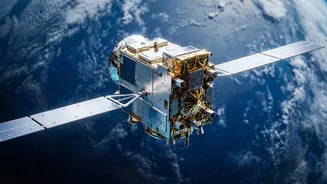
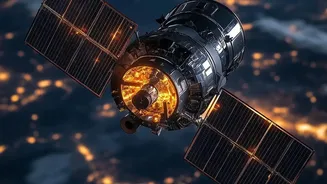
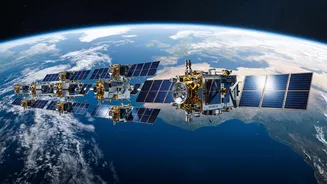
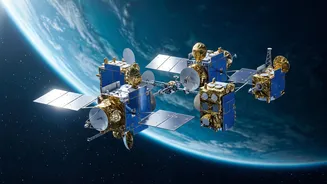
The simulation's most alarming finding is not about the immediate blast. While prompt X-rays and gamma rays would damage satellites within the line of sight, the far greater danger comes from the aftermath. A high-altitude nuclear explosion (HANE) releases a flood of high-energy electrons from nuclear fission. These charged particles don't just dissipate; they become trapped by the Earth's magnetic field, forming a new, intense, and long-lasting artificial radiation belt. Every satellite in LEO would repeatedly pass through this belt, orbit after orbit. Each pass would bombard its sensitive electronics with radiation, causing cumulative damage that leads to failure. The simulation predicts this process would be devastatingly quick: 98% of all LEO satellites would be rendered inoperable within a single week.
A Cascade of Collisions
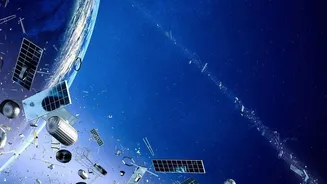
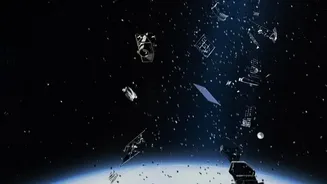
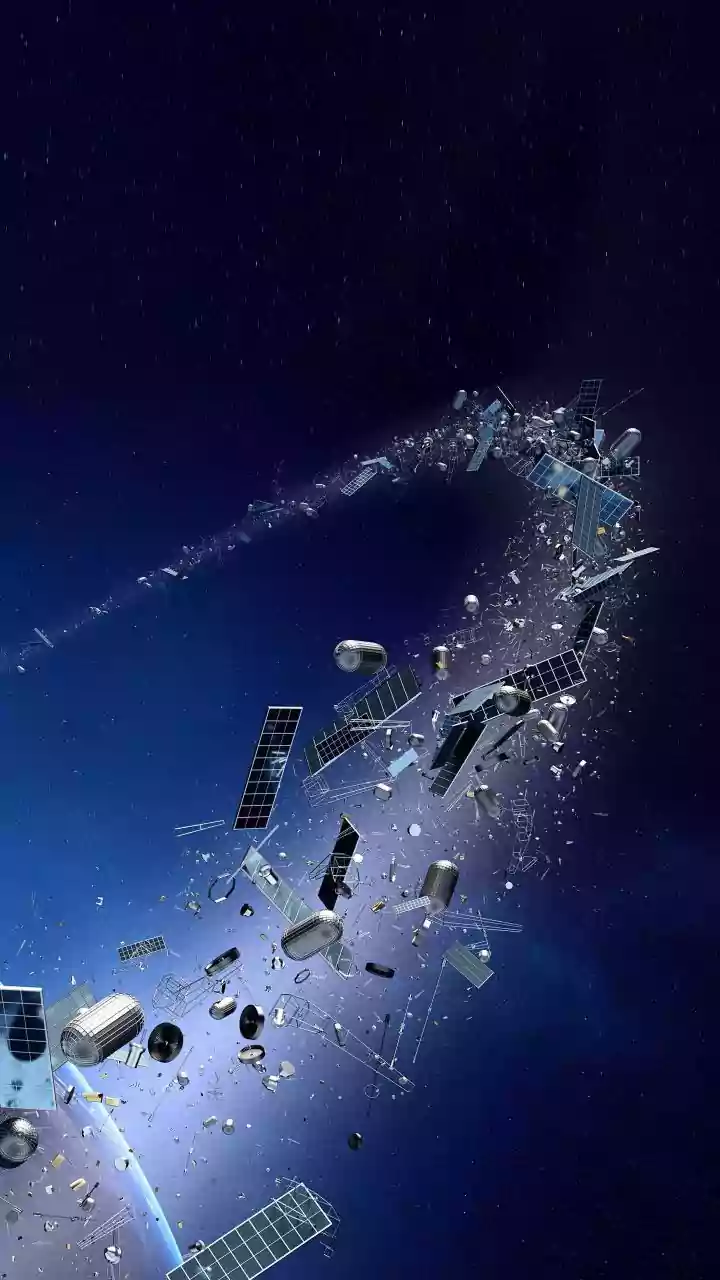
The problem would compound itself rapidly. Once a satellite fails, it becomes an uncontrollable piece of space debris. With thousands of satellites losing their ability to manoeuvre, the risk of collisions would skyrocket. The researchers predict that around 20 collisions would occur in the two years following the detonation. Each collision would create thousands of new pieces of debris, which in turn would threaten the remaining functional satellites in a cascading chain reaction known as the Kessler Syndrome. This would make launching new satellites to replace the lost ones incredibly difficult, as they would be flying into a hostile environment of both intense radiation and a dense field of debris. Full recovery of our orbital infrastructure could take years.
Life on Earth Without Satellites
The consequences on the ground would be immediate and profound. The loss of satellite networks would cripple modern life. GPS navigation for cars, ships, and aircraft would cease, leading to chaos in global logistics and transport. Weather forecasting, which relies heavily on satellite data, would become far less accurate, making it harder to predict major storms. Financial markets, which use satellite-based atomic clocks for high-frequency trading, would be disrupted. Communications would be severely impacted, cutting off remote regions that rely on satellite internet and phones, and disabling many emergency response systems. From banking transactions at ATMs to military command and control, the intricate systems that underpin our global society would break down.
A Global Threat Demanding Cooperation
This research underscores the unique and indiscriminate nature of a HANE attack. Unlike a ground-based weapon, its effects are not confined by geography. A single detonation intended to disable one nation's assets would inevitably cripple the entire global satellite infrastructure, affecting civilian, commercial, and military satellites from all countries. The historical precedent of the Starfish Prime test, which had unintended consequences reaching Hawaii nearly 1,500 kilometres away, showed how little control we have over such events. This simulation serves as a stark warning about the vulnerability of our shared dependence on space and highlights the critical importance of international agreements, like the Outer Space Treaty, that prohibit the placement of nuclear weapons in orbit.