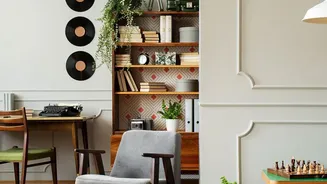



The Rise of the Catalogue Home
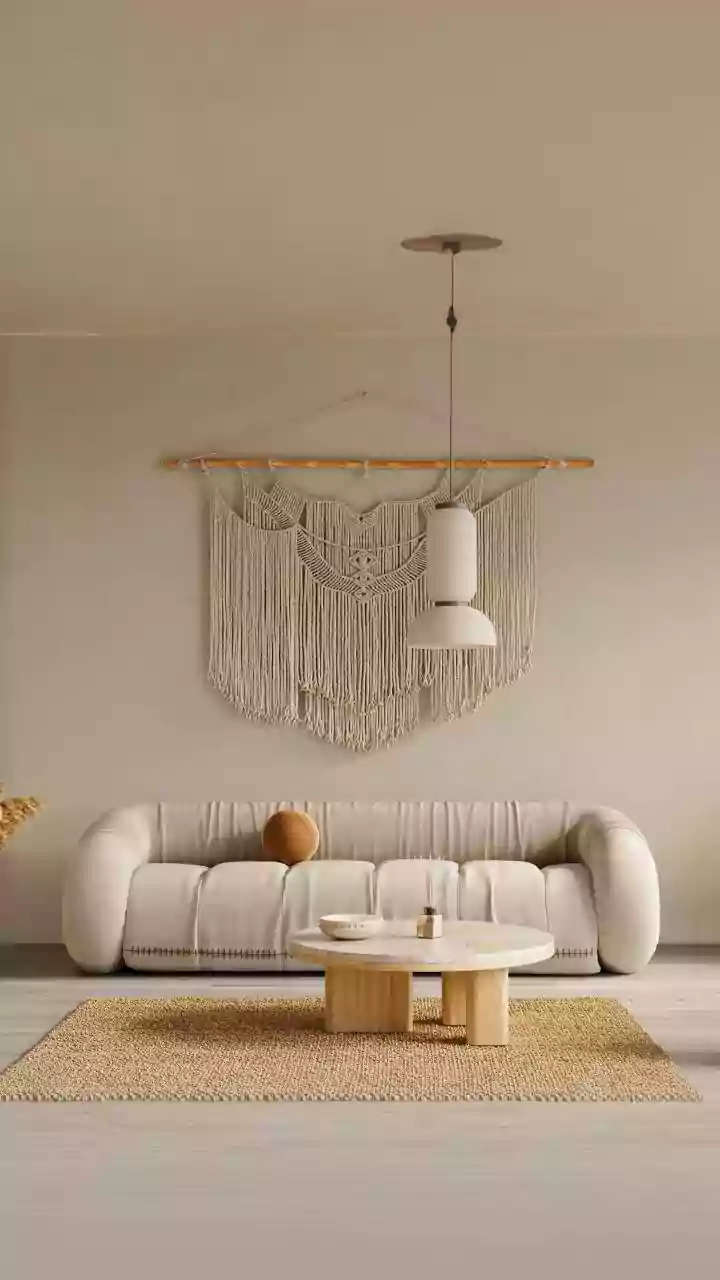
The allure of the showroom-style home is understandable. It presents a world of clean lines, coordinated colour palettes, and uncluttered surfaces that feels aspirational and, frankly, easy to achieve. In a world of endless choice, buying a matching set
of furniture can feel like a safe bet. This aesthetic often promises a kind of modern, global sophistication, a departure from the perceived clutter of more traditional interiors. The result is a space that is undeniably stylish and pristine. However, this pursuit of perfection can have an unintended consequence: a home that looks like a catalogue page, but doesn't quite feel like a home. When every element is perfectly matched and mass-produced, the space can lack a crucial ingredient: personality.
The Soulful Touch of the Imperfect
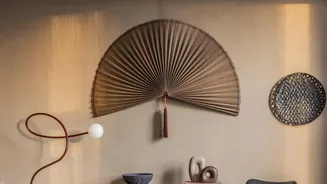
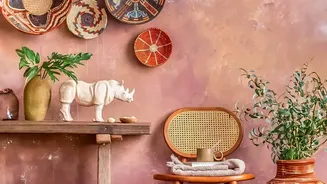
This is where handmade décor comes in as a powerful antidote to sterile perfection. An object made by a human hand is inherently unique. A hand-thrown ceramic vase will have slight variations that a machine-made one won't. The pattern on a block-printed cushion cover carries the tiny, beautiful imperfections of the artisan's touch. These are not flaws; they are signatures of authenticity. They tell a story of process, skill, and human connection. This visible craftsmanship infuses a space with a texture and depth that mass-produced items cannot replicate. A room filled with these pieces feels curated over time, not bought in a single transaction. It feels lived-in, layered, and, most importantly, warm.
Weaving a Narrative into Your Space
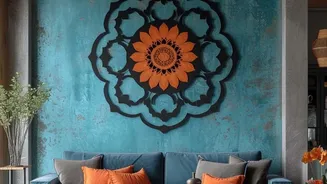
Every handcrafted object brings a story with it. It might be a Dhokra figurine from Bastar, carrying generations of metallurgical knowledge, or a colourful dhurrie rug woven by artisans in Rajasthan. These pieces connect your home to a wider cultural fabric. They become conversation starters, not just decorative fillers. Choosing a hand-painted piece of wall art, like a Madhubani or Warli painting, does more than just fill a blank wall; it introduces a narrative of mythology and tradition into your daily life. In a world trending towards mindful living, surrounding yourself with items that have meaning and a known origin creates a more intentional and soulful environment. Your home stops being just a place and starts becoming a story about you.
How to Begin Your Handmade Journey
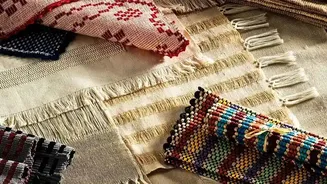
Shifting from showroom to soulful doesn't require a complete overhaul. The key is to start small and be intentional. Begin by swapping out mass-produced textiles for handcrafted alternatives. Think cushion covers, table runners, or a beautiful handwoven throw. These small additions can instantly add colour, texture, and personality. Visit local craft fairs, explore online stores that work directly with artisans, and look for pieces that genuinely speak to you. The goal isn't to create a themed 'ethnic' look, but to mix and match. A beautifully carved wooden tray on a modern coffee table or a single piece of striking tribal art against a minimalist wall can create a powerful, balanced contrast. Give each handcrafted piece space to be appreciated.
Beyond Aesthetics: A Conscious Choice
Choosing handmade décor is also a powerful economic and ethical statement. In an era of 'fast décor', which mirrors the wastefulness of fast fashion, buying artisanal products is an act of sustainability. These items are typically made in small batches using local, natural materials, resulting in a smaller environmental footprint. Furthermore, purchasing directly from artisans or ethical brands ensures that skilled craftspeople receive fair compensation for their work, helping to preserve ancient techniques that are at risk of disappearing. Your purchase becomes an investment in cultural heritage and the livelihood of artisan communities across India. The warmth in your home, then, is not just aesthetic; it comes from the knowledge that your choices are supporting something real and valuable.