



More Than Just Regulations
At first glance, the list of rules posted on the dog park gate can seem restrictive. "No toys," "No food," "Keep moving," "Supervise at all times." While these directives ensure a safe environment for everyone, they serve a deeper purpose rooted in canine
psychology. These rules are designed to minimize common triggers that cause dogs to feel anxious, fearful, or defensive. By understanding the 'why' behind each rule, you can become much more attuned to your dog's emotional state and learn to spot the early warning signs of stress before a situation escalates. Think of the rules not as limitations, but as a built-in guide to canine body language.
The 'No Toys or Food' Rule
This is one of the most common and important rules. It exists to prevent 'resource guarding,' a dog's instinct to protect valuable items from others. A simple tennis ball, which your dog happily shares at home, can become a source of intense conflict in a park full of unfamiliar dogs. The stress signals related to resource guarding are often subtle at first. Look for a dog standing stiffly over a toy, showing the whites of their eyes (known as 'whale eye'), or giving a low growl. Other signs include freezing, eating faster when another dog approaches, lip licking, or trying to block access to the item with their body. By removing high-value items, the rule prevents this anxiety from ever taking hold.
Why You Should Avoid the Gate
Many dog parks see a 'mob' scene at the gate whenever a new dog arrives. Rules often encourage owners to keep their dogs moving and not congregate in one spot, especially the entrance. This helps prevent 'threshold anxiety.' For a dog entering the park, being rushed by a pack can be incredibly intimidating. For the dogs already inside, the gate can become a territory to defend. This stress manifests as frantic barking, fence-fighting, or overly intense greetings. A stressed dog may also pin its ears back, tuck its tail, or pant heavily even when it's not hot. By keeping the entrance clear, you allow newcomers a chance to acclimate and reduce territorial tension for everyone.
The Importance of Active Supervision
The rule to 'always supervise your dog' is not just about preventing fights; it's about recognizing the difference between healthy play and bullying. It's easy to get distracted by your phone or conversation, but your dog relies on you to be their advocate. Healthy play often involves reciprocity—dogs take turns chasing each other and switch roles. Signs of stress during play include a dog that is consistently trying to get away, hiding behind you, or keeping its tail tucked low. One dog persistently pinning or mounting another who is trying to escape is not play; it's harassment that can cause significant anxiety. Your supervision allows you to intervene and give your dog a break before they become overwhelmed.
Understanding Leash-On vs. Leash-Off
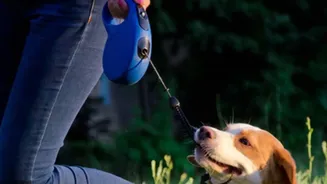
Most dog parks mandate that all dogs inside the fenced play area be off-leash. This is crucial for safety and preventing stress. A leashed dog surrounded by off-leash dogs can feel trapped and vulnerable, as the leash removes their ability to retreat from an unwanted interaction. This feeling of being unable to escape can trigger 'leash reactivity,' where a dog becomes defensive, barking or lunging precisely because it feels constrained. This is a fear-based response. Even if your dog is friendly, being on a leash while others are not creates an unfair and stressful power dynamic. Adhering to the leash rules ensures all dogs are on an equal playing field, free to use their natural body language to navigate interactions.
What to Do When You Spot Stress
Recognizing these signs is the first step; your response is what truly matters. If you see your dog yawning repeatedly (a common stress signal), lip licking, or avoiding other dogs, it's time for a break. Don't force them to interact. You can calmly call them over to you and create distance from the source of the stress. Sometimes, the best course of action is to simply leave. A short, positive experience is far better than a long, stressful one. Paying attention to these signals teaches your dog that you will protect them, strengthening your bond and making them feel more secure.