


The Lonavala Problem
Let’s be clear: Lonavala, a hill station nestled in the Western Ghats mountains, is beautiful. Its proximity to the sprawling megacities of Mumbai and Pune makes it an easy weekend escape. But that’s precisely the issue. During the monsoon months of June
through September, the two-hour drive can stretch into a six-hour crawl. Viewpoints are mobbed, waterfalls become dangerously crowded, and the quiet communion of nature you envisioned is replaced by the reality of a thousand other people having the exact same idea. The town becomes a victim of its own success, where the traffic and commercialization can easily overshadow the natural splendor. Your perfect escape shouldn't feel like just another traffic jam.
For Lush Serenity: Munnar, Kerala
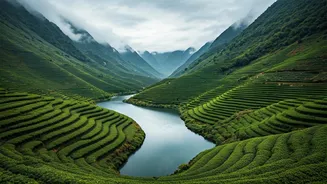
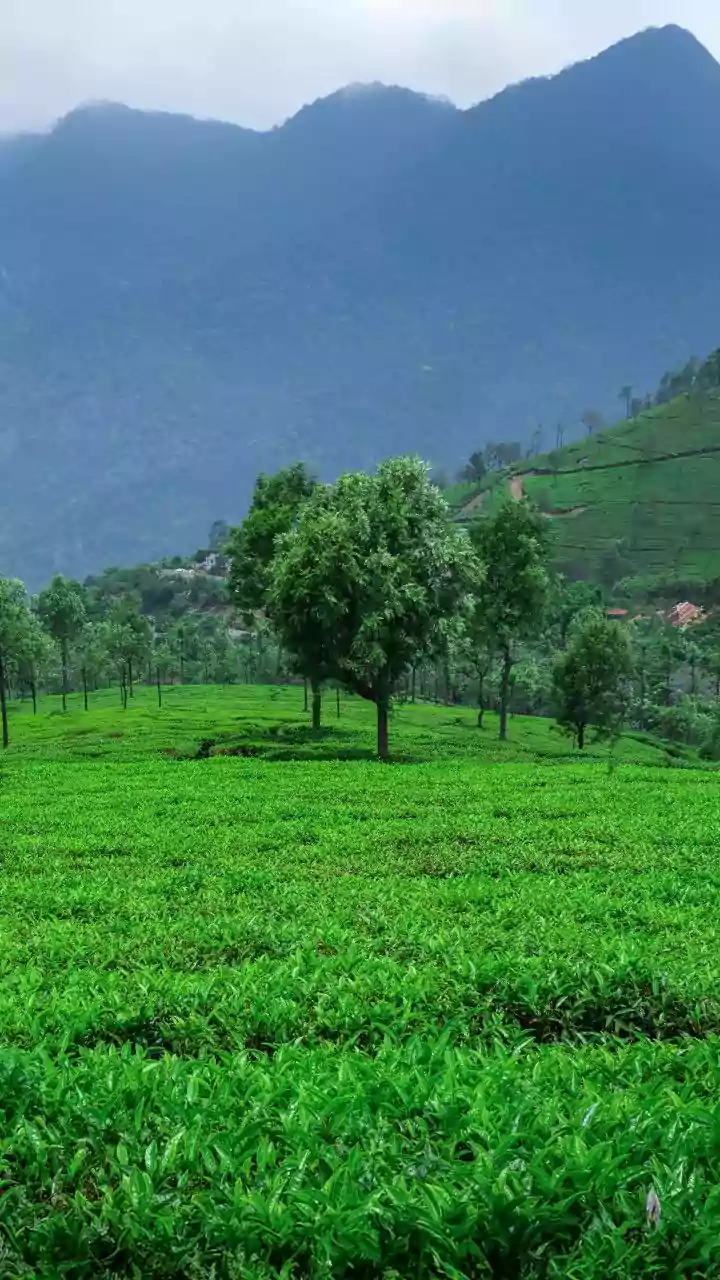
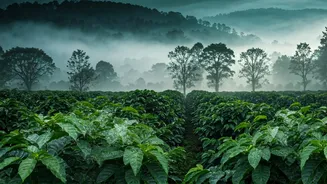
If your monsoon fantasy involves mist-covered tea plantations stretching as far as the eye can see, head south to Munnar in Kerala. Known as “God’s Own Country,” this region is arguably at its most divine during the rains. The landscape, already a brilliant emerald, deepens into a thousand shades of green. The crowds of peak tourist season have thinned, leaving you with rain-washed roads, the scent of cardamom in the air, and the peaceful solitude of the hills. You can hike through tea estates, visit the Eravikulam National Park to spot the Nilgiri tahr, or simply sip a hot cup of locally grown tea while watching the clouds drift by your window. It’s a tranquil, rejuvenating experience that feels a world away from the weekend warrior chaos.
For Dramatic Cloudscapes: Meghalaya
For the traveler who wants to lean into the rain, not just enjoy its effects, there is no place like Meghalaya. The name itself translates to “Abode of the Clouds,” and it delivers. This northeastern state is home to Mawsynram and Cherrapunji, two of the wettest places on Earth. This isn’t a gentle drizzle; it’s a full-throated, world-remaking deluge that feeds spectacular, thundering waterfalls and nourishes the famous living root bridges—a marvel of bio-engineering created by the local Khasi tribes. Trekking to these bridges through the dense, dripping jungle is an unforgettable adventure. This is the monsoon in its most primal, powerful form—an immersive experience for the adventurous soul.
For Royal Romance: Udaipur, Rajasthan
This is the counter-intuitive choice that pays off handsomely. A desert state for a monsoon trip? Absolutely. While most of India battles humidity, the arid landscapes of Rajasthan offer a more pleasant version of the season. In Udaipur, the “City of Lakes,” the monsoon is a time of magic. The city’s stunning marble palaces, like the Lake Palace and City Palace, seem to float on the replenished waters of Lake Pichola. The surrounding Aravalli Hills, brown and dusty for most of the year, put on a surprising coat of green. It’s the perfect setting for a romantic, atmospheric getaway without the overwhelming crowds or oppressive dampness of other monsoon hotspots. You get the beauty without the bother.
For Quiet Hills: Bhandardara, Maharashtra
If you want the Lonavala experience—misty mountains, gushing waterfalls, lush greenery—but without the Lonavala crowds, just drive a little further. Bhandardara, also in Maharashtra, offers a more rustic and tranquil alternative. It’s built around the Wilson Dam and Arthur Lake, a vast, serene body of water that’s especially beautiful when shrouded in monsoon fog. The main attraction is the Randha Falls, which rages with power during the rains, and the historic Ratangad fort, a challenging but rewarding trek for hikers. It’s a pocket of the Western Ghats that retains the raw, untouched beauty that first made the region famous, offering a more authentic mountain escape.