




The Science of 'Yuck'
For years, we've chalked up our food choices to personal preference. But scientists have long been fascinated by why some people recoil from the bitterness of broccoli, while others happily drink black coffee. Large-scale genetic studies, including analyses
of massive databases like the UK Biobank with up to 500,000 participants, are providing clear answers. These studies investigate the link between our genes, our taste perception, and our overall health. The findings confirm what many of us have anecdotally experienced: our aversion or attraction to certain flavours is not just in our heads, it's in our genes.
Meet Your Bitter-Taste Gene
The star player in this story is a gene called TAS2R38. Think of it as the master switch for perceiving bitterness in certain foods. You inherit two copies of this gene, one from each parent. Depending on the version you have, you might be a "supertaster," for whom foods like Brussels sprouts, grapefruit, and even some beers are intensely and unpleasantly bitter. Others, with a different version, are "non-tasters" who barely notice the bitterness at all. This genetic variation evolved as a survival mechanism, helping our ancestors detect potentially poisonous plants. While most bitter foods today are not toxic, this ancient wiring still dictates whether you reach for another helping of cabbage or push it away.
More Than Just Taste Buds
The influence of the TAS2R38 gene doesn't stop at your tongue. Researchers have found that these bitter taste receptors exist throughout our bodies, including in our gut and respiratory system. This has profound implications for health. Studies have linked the "supertaster" gene variant to several health conditions, including associations with chronic kidney disease and even bipolar disorder. On the other hand, being sensitive to bitterness may also offer some protection. For example, some studies have shown that tasters have a lower risk of certain respiratory infections. This suggests that how we perceive taste is intricately connected to our body's wider defence and regulatory systems.
The Bitter Foods You Should Be Eating
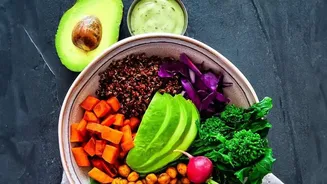
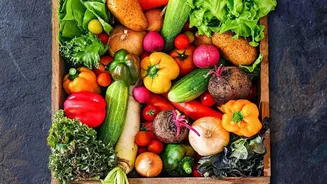
So, if you're genetically predisposed to dislike bitter foods, should you just avoid them? Not so fast. Many of the world's healthiest foods are bitter. Think of cruciferous vegetables like broccoli and kale, dark leafy greens like methi (fenugreek) and spinach, and even beverages like green tea. These foods are nutritional powerhouses, packed with vitamins, minerals, and fibre. They are also rich in antioxidants and polyphenols, which help protect our cells from damage, reduce inflammation, and support a healthy gut microbiome. By avoiding these foods, individuals who are sensitive to bitterness may miss out on crucial nutrients and long-term health benefits, potentially increasing their risk for certain chronic diseases.
How to Befriend the Bitter
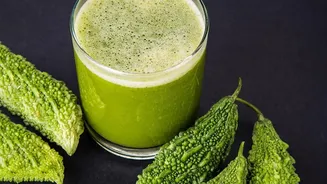
The good news is that taste preferences are not fixed for life. You can train your palate to appreciate, and even enjoy, bitter flavours. Start by mixing small amounts of bitter greens like arugula into a salad with milder lettuces. Pairing bitter foods with healthy fats like olive oil or avocado can help balance the taste. Cooking methods like roasting or steaming can mellow the intensity of vegetables like Brussels sprouts. You can also try incorporating bitter ingredients that are common in Indian cuisine, like karela (bitter gourd), in dishes with strong, balancing spices. The key is gradual exposure. Don't force yourself to eat a whole bowl of something you dislike; instead, introduce these healthy foods slowly and consistently.