





The Rupee's Rollercoaster Ride
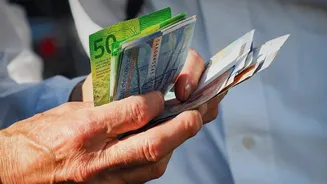
The simplest way to understand the rupee's impact is through the exchange rate, particularly against the US dollar. When the rupee weakens, you need to spend more rupees to buy a single dollar. As of early September 2026, the rupee has been hovering around
the 94 to 95 mark against the dollar. This has a direct consequence on your travel budget. A vacation budgeted at $2,000 would cost ₹1,88,000 if the exchange rate is ₹94/USD. But if the rupee weakens to ₹96/USD, the same trip suddenly costs ₹1,92,000—an extra ₹4,000 for the exact same holiday. This price increase affects everything you pay for in foreign currency, from hotel bookings and meals to shopping and sightseeing. Trips to the US and Europe feel this impact most sharply, as their currencies are strong against the rupee, potentially increasing total trip costs by 15-20%.
Why Crude Oil Is King of Travel Costs
The second major factor is the price of crude oil. While you might associate it with petrol prices for your car, its biggest impact on your holiday is through airfare. Aviation Turbine Fuel (ATF), the fuel used by airplanes, is a direct byproduct of crude oil. For airlines, fuel can account for a staggering 35-40% of their total operating costs. When global oil prices rise, the cost of ATF goes up, and airlines often pass this extra expense on to passengers through higher ticket prices or by introducing fuel surcharges. In early September 2026, ATF prices in India saw their second consecutive monthly hike, driven by volatility in global markets. This means that even if you find a great hotel deal, a surge in oil prices could wipe out those savings by inflating the cost of your flight, which is often the most expensive part of an international trip.
The Double-Edged Sword Effect
What makes the situation particularly tricky for Indian travellers is that these two factors—a weak rupee and high oil prices—often move in a negative tandem. India is a major importer of crude oil, meaning it has to pay for these large purchases in US dollars. When oil prices are high, India's import bill swells, increasing the demand for dollars in the domestic market. This increased demand for dollars, in turn, puts downward pressure on the rupee, causing it to weaken. This creates a challenging cycle: expensive oil makes flights costlier, and the act of buying that expensive oil contributes to a weaker rupee, which makes every other aspect of your trip abroad more expensive.
Geopolitics and Other Global Headwinds
Beyond the direct link between the rupee and oil, broader geopolitical events play a significant role. Tensions in major oil-producing regions like the Middle East can cause crude prices to spike due to fears of supply disruptions. For example, concerns over shipping through the Strait of Hormuz, a critical oil chokepoint, can keep prices elevated. Similarly, global economic trends, such as inflation in your destination country, can also erode your purchasing power. A country that seemed affordable last year might have experienced a rise in local prices, making your planned budget insufficient. Institutional investors and traders now consider geopolitical risk a primary driver of market volatility, more so than in previous years.
How to Protect Your Travel Budget
While you can't control global markets, you can make smarter decisions to mitigate the impact on your wallet. Travellers are increasingly adapting by becoming more value-conscious. One popular strategy is to choose destinations where the rupee holds its value better, such as in parts of Southeast Asia. Booking flights and accommodations well in advance can help you lock in prices before potential future hikes. Using a forex card allows you to load foreign currency at a specific rate, protecting you from further depreciation of the rupee. Some travellers are also opting for shorter, more frequent trips instead of one long annual vacation to manage costs better. By being aware of these macroeconomic trends, you can plan more strategically and ensure your travel budget stretches as far as possible.