








A Nationwide Wake-Up Call
Food safety authorities have launched intensive inspection drives in multiple states, including Maharashtra and Karnataka, uncovering significant violations in restaurants, hotels, and even large commercial kitchens. In cities like Bengaluru, officials
have conducted sweeping raids on dozens of establishments, including high-end hotels, acting on public complaints. The findings have been alarming: authorities seized hundreds of kilograms of expired and rotten meat, fungus-infested vegetables, and dairy products that were days past their expiry date. In Mumbai and Navi Mumbai, the Food and Drugs Administration (FDA) issued improvement notices to dozens of eateries and suspended the licenses of several others for poor hygiene and failure to comply with basic safety regulations. These crackdowns are not just targeting small dhabas but also well-known establishments, signalling a broader push for accountability across the entire industry.
The Critical Role of Food Storage
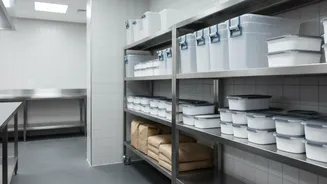
A common thread through these inspections is the critical failure in food storage. Inspectors have repeatedly found raw meat stored with cooked food, improper segregation of vegetarian and non-vegetarian items, and ingredients kept in unhygienic conditions. In some Bengaluru kitchens, officials discovered rotten beef with visible fungal growth and milk packets that had expired ten days earlier. These are not minor oversights. Improper storage is a direct pathway to cross-contamination and the spread of dangerous pathogens like Salmonella and E. coli. Other frequent violations include storing food on the floor, failing to label items, and not following the 'First In, First Out' (FIFO) principle, which leads to the use of old and potentially spoiled ingredients. Rodent droppings and cockroach infestations in storage areas have also been reported, posing severe health risks.
What Inspectors Look For
When a food safety officer enters a kitchen, they are looking at more than just a clean floor. Their checklist is comprehensive, with a heavy focus on processes that prevent foodborne illness. Key areas include maintaining correct temperatures for refrigerators and freezers, as poor temperature control allows bacteria to multiply rapidly. They check if raw and cooked foods are kept separate to avoid cross-contamination and verify that staff follow personal hygiene rules, like proper handwashing. Another critical point is pest control; inspectors look for evidence of pests and check for records from professional pest control agencies. They also scrutinise the reuse of cooking oil, a common but dangerous practice, and ensure that food ingredients are properly labelled and within their expiry dates. Failing to meet these critical requirements can lead to immediate penalties, including the suspension of a restaurant's license.
Restoring Trust Through Transparency
These widespread inspections, while revealing unsettling truths, are a necessary step toward rebuilding diner confidence. For years, consumers have voiced concerns over restaurant hygiene. A recent survey showed that 79% of consumers are most worried about dirty kitchens, while reuse of stale food and expired ingredients are also top concerns. To address this, the Food Safety and Standards Authority of India (FSSAI) has a 'Hygiene Rating' scheme. This voluntary program rates eateries on a scale of one to five based on their compliance with food safety and hygiene standards. A higher rating signals a commitment to safety and can help consumers make informed choices. In fact, over 70% of consumers support the mandatory public display of these ratings at restaurants and on food delivery apps to enhance transparency.