







What Is Scent Layering?
Think of scent layering like creating a musical chord. Instead of one single note, you combine multiple harmonious scents to create a richer, more complex experience. In home fragrance, this means moving beyond a single candle or diffuser and strategically
using different products and scents to build a unique aromatic profile for your space. It’s about creating a 'scent-scape' that evolves as you move through a room and as the different fragrances interact. The goal is not to create an overpowering cloud of perfume, but a subtle, multi-dimensional aroma that feels personal and intentional.
The Link Between Scent and Serenity
Our sense of smell is directly linked to the limbic system, the part of the brain that governs emotion and memory. This is why a certain aroma can instantly transport you back to your childhood kitchen or a favourite holiday. By consciously choosing and combining scents, you can influence the emotional tone of your environment. Calming scents like lavender and sandalwood can help create a tranquil sanctuary perfect for unwinding, while bright, zesty notes like lemongrass or orange can make a space feel more energetic and uplifting. Scent layering allows you to design an environment that actively supports your desired mood, turning your home into a true wellness zone.
Start with a Scent Foundation
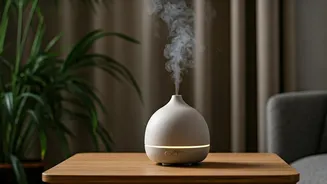
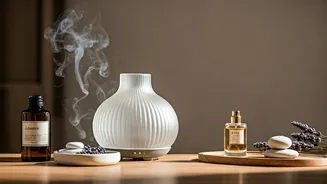
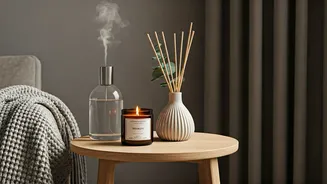
Every good scent-scape needs a base. This is your foundation note—a constant, subtle fragrance that anchors the others. These are typically richer, deeper scents that have staying power. Think warm, earthy, or woody aromas like sandalwood, cedar, amber, vanilla, or musk. The best tools for your base note are those that provide a continuous, low-intensity scent. An electric oil diffuser running with a few drops of essential oil or a high-quality scented candle are excellent choices. This base scent shouldn't be overpowering; it’s the canvas upon which you’ll paint with other fragrances.
Add Lighter, Complementary Notes
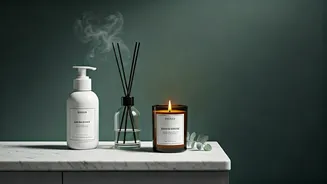
Once your base is established, it’s time to layer. This is where you can get creative by adding middle and top notes. Middle notes are often floral or spicy (like rose, jasmine, or clove), while top notes are the brightest and most volatile (like citrus, mint, or eucalyptus). These lighter scents can be introduced through different methods. A reed diffuser can provide a consistent middle note in one corner of the room, while a room spray can be used for a quick burst of a top note before guests arrive. Fresh flowers or a bowl of potpourri also serve as beautiful, natural sources of these lighter, complementary scents.
Simple Scent Pairings to Try
Getting started can be the hardest part. The key is to choose scents from complementary families. For a calming and classic Indian combination, try a sandalwood (chandan) base with a floral top note of jasmine (mogra) or rose (gulab). For something more energising and fresh, pair a vetiver (khus) base with a zesty top note of lemongrass or lime. If you want a warm, cosy atmosphere, try a vanilla or amber base candle and complement it with a room spray scented with cinnamon or orange. Don't be afraid to experiment. The most important rule is to create a combination that you personally find beautiful and comforting.