





The Triple Threat: Rain, Slopes, and Low Visibility
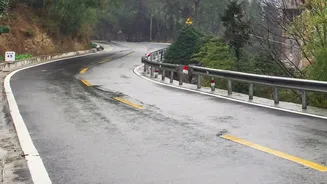
Driving on wet hill roads isn't just about dealing with a slippery surface. The primary danger is a loss of traction. When water builds up between your tyres and the road, it can lead to hydroplaning, where your vehicle loses contact with the surface and becomes
uncontrollable. This risk is amplified on slopes and curves. The first rains are often the most dangerous, as they mix with oil and debris on the road, creating an exceptionally slick surface. Furthermore, heavy downpours and fog drastically reduce visibility, making it difficult to spot hazards, other vehicles, or sharp turns ahead.
Your Pre-Trip Vehicle Checklist
Before you even turn the key, a thorough vehicle check is non-negotiable. First, inspect your tyres. They are your only connection to the road. Ensure they have adequate tread depth—at least 3-4 mm is recommended for wet conditions—and are inflated to the correct pressure. Worn-out tyres cannot effectively channel water away and are a primary cause of skidding. Second, test your brakes. Wet conditions increase your stopping distance, so your brakes must be in top condition. Finally, check your wipers, lights, and defogger. New wiper blades that clear the windscreen without streaking are crucial for visibility. Ensure all your lights—headlights, taillights, and indicators—are working so you can see and be seen.
Safe Driving on Wet Ghat Roads
Once on the road, your driving style needs to adapt. The most important rule is to slow down. Posted speed limits are for ideal, dry conditions. In rain, reducing your speed gives you more time to react and significantly lowers the risk of hydroplaning. Increase your following distance from the vehicle ahead to at least 4-6 seconds. Avoid sudden acceleration, hard braking, or sharp turns. When navigating hairpin bends, honk to alert oncoming traffic and stay firmly in your lane without cutting corners. Using low-beam headlights, even during the day, will improve your visibility to other drivers.
Mastering Inclines and Declines
Hilly terrain presents its own set of challenges. When driving downhill, resist the urge to coast in neutral to save fuel. This is extremely dangerous as it reduces your control over the vehicle. Instead, use engine braking by shifting to a lower gear (second or third). This helps control your speed without overheating your brakes. When going uphill, using a lower gear provides the necessary torque to climb without stalling. The golden rule on narrow hill roads is to always give way to vehicles travelling uphill, as they require momentum to keep moving.
The Danger of Landslides
Heavy rains saturate the soil on hillsides, creating a significant risk of landslides. Be vigilant for warning signs such as falling rocks, moving debris, or new cracks on the road surface. If you are caught in a landslide, the safest action is often to stay inside your vehicle, which can provide a protective shell. Avoid stopping in narrow sections of road with steep hillsides on either side. If you must halt, find a wider, more stable spot. Before you leave, always check the weather forecast and local advisories for any warnings about road closures or landslide risks.