






The World’s Food Barometer
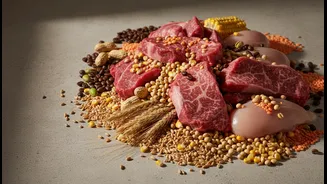
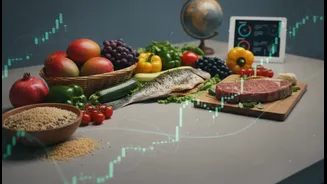
So, what exactly is this powerful number? The FAO Food Price Index, or FFPI, is a monthly report card on the health of global food markets, published by the Food and Agriculture Organization of the United Nations. Think of it as a global shopping basket
filled with five key groups of food commodities: cereals like wheat and rice, vegetable oils, dairy products, meat, and sugar. The index tracks the monthly change in the international prices of these goods, giving economists and policymakers a vital snapshot of global food price trends. It combines the prices of these different commodities, weighting them based on their share of global trade, to create a single, easy-to-understand figure that signals whether global food costs are rising or falling.
A Look at the Latest Numbers
To understand its real-world relevance, let's look at recent trends. The latest data for June 2026 showed the overall index edged down slightly. This was a mixed bag: prices for cereals, dairy, and sugar all declined, offering some relief. For instance, lower ethanol prices in Brazil encouraged more sugarcane to be used for sugar, bringing international prices down. However, this was offset by a rise in the indices for meat and vegetable oils. The meat price index actually reached a new record high, driven primarily by rising poultry prices due to strong global demand. These constant fluctuations show how sensitive global food markets are to everything from weather patterns to energy costs and national policies.
From Global Ports to Indian Kitchens
This is where the global becomes local. While India is a massive agricultural producer, it is not an island. The country is one of the world's largest importers of edible oils, particularly palm and sunflower oil. When the FAO's Vegetable Oil Price Index climbs, as it did in June 2026, it means the cost for India to import these essential commodities goes up. This higher import cost doesn't just stay on the government's balance sheet; it is passed down through the supply chain, from importers to wholesalers, and finally to the retail price you pay for your cooking oil. The same logic applies to other commodities, making the FFPI a leading indicator for potential inflation on Indian grocery shelves.
The Pinch in Your Household Budget
For the average Indian household, especially in rural areas, food constitutes a significant portion of their monthly budget. Therefore, when global prices rise, the impact is felt directly and acutely. Rising prices for essential items squeeze household budgets, reducing the purchasing power of families. This isn't just a matter of inconvenience; persistent food inflation can force families to make difficult choices, sometimes cutting back on other necessities or compromising on nutritional quality. This is why the Reserve Bank of India keeps a close watch on these numbers, as food inflation is a major driver of the country's overall inflation rate, influencing interest rate decisions that affect the entire economy.
A Double-Edged Sword for Farmers
For India's vast farming community, the FAO Index presents a more complex picture. It can be a double-edged sword. On one hand, high international prices for commodities that India exports, such as certain varieties of rice or sugar, can lead to higher incomes for farmers. It creates a lucrative opportunity for them to sell their produce on the global market. On the other hand, for farmers growing crops that compete with imports, a surge in cheaper international goods can depress domestic prices and reduce their earnings. Furthermore, global events can impact the cost of farming itself. For example, international conflicts can disrupt the supply of fertilizers, increasing costs for Indian farmers and threatening future yields.
Navigating the Policy Tightrope
For the Indian government, the FAO Food Price Index is a critical tool for navigating the complex tightrope of economic policy. The data helps policymakers anticipate inflationary pressures and make proactive decisions. For instance, if the index signals a sharp and sustained rise in global edible oil prices, the government might decide to lower import duties to cushion the impact on domestic consumers. Conversely, if domestic supplies of a commodity like wheat are tight and global prices are high, it might restrict exports to ensure food security within the country. These decisions are always a balancing act between protecting consumers from price shocks, ensuring fair prices for farmers, and managing the country's trade balance.