



Why Your Morning Needs Protein
Starting your day with a protein-rich meal is more than just a wellness trend; it's a strategic move for better energy and health. Protein is crucial for building and maintaining muscle, but its morning benefits are particularly impactful. A high-protein
breakfast helps regulate appetite throughout the day by promoting a feeling of fullness, which can reduce mid-morning snacking and overall calorie intake. Studies show that this effect is linked to hormonal signals that control hunger. Furthermore, protein slows down the digestion of carbohydrates, helping to stabilize blood sugar levels. This prevents the sharp energy spikes and subsequent crashes often associated with carb-heavy breakfasts, leading to more sustained energy and better focus throughout the morning.
The Nutritional Power of Dals and Legumes
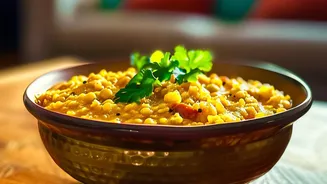
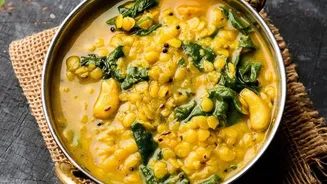
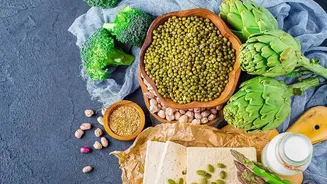
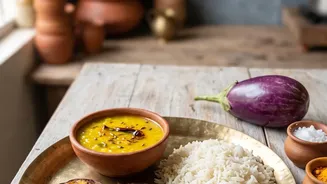
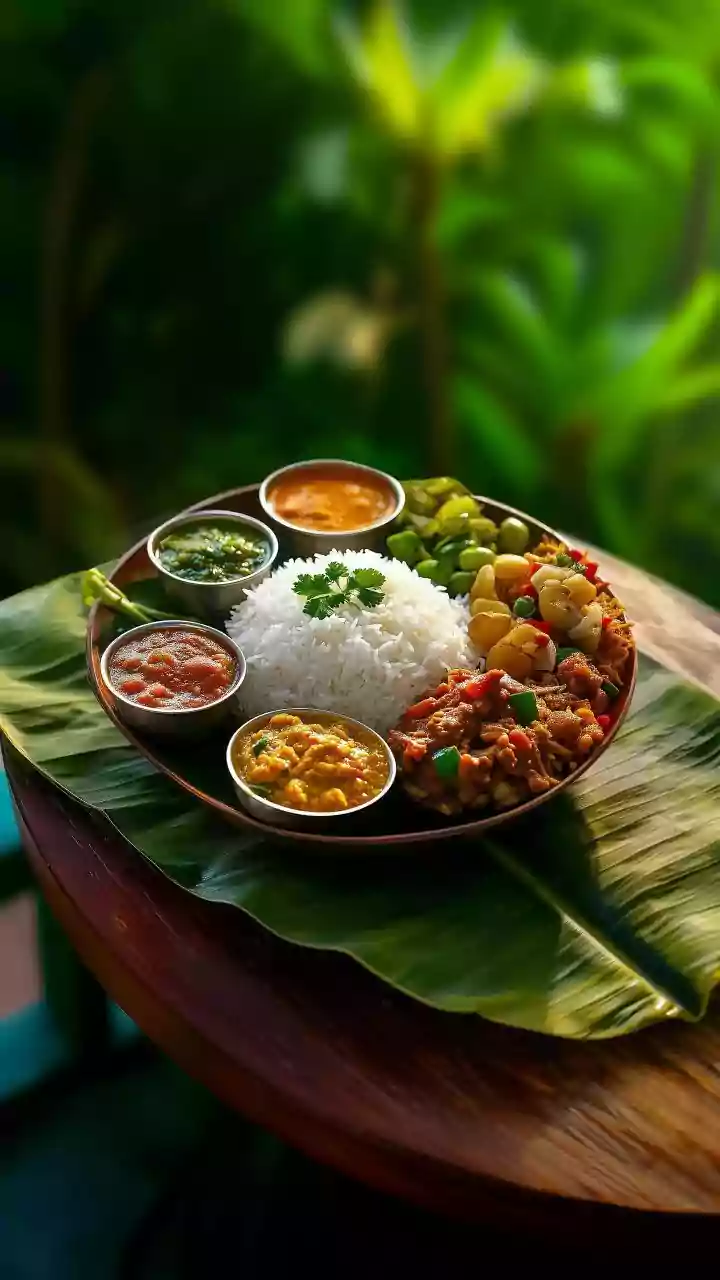
Dals and legumes are the cornerstones of Indian vegetarian cuisine and are exceptional sources of plant-based protein. A single cup of cooked lentils can provide around 18 grams of protein, along with significant amounts of fibre, B vitamins, iron, and potassium. Different dals offer slightly different nutritional profiles. For instance, masoor dal (red lentil) and chana dal (split chickpea) are particularly high in protein, while moong dal (split green gram) is known for being easy to digest. Chana dal is also notable for its very low glycemic index, making it an excellent choice for blood sugar management. While most dals are not 'complete' proteins on their own, pairing them with grains like roti or rice—a common practice in Indian meals—provides the full range of essential amino acids, making the meal nutritionally equivalent to meat or eggs.
Besan Chilla: The Savoury Pancake
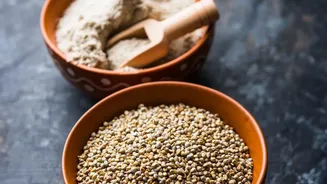
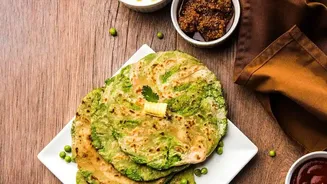
One of the most popular and protein-forward Indian breakfasts is the besan chilla. Essentially a savoury pancake, it's made from besan (gram flour), which is ground from chana dal or chickpeas. Gram flour itself is packed with protein, containing about 20-22 grams per 100g. The batter is simple to prepare by whisking besan with water and adding finely chopped vegetables like onions, tomatoes, and fresh coriander, along with spices like turmeric and cumin. Cooked on a hot pan with minimal oil, a couple of besan chillas can provide a substantial 10-12 grams of protein. They are naturally gluten-free and deliver a combination of protein and fibre that keeps you feeling full and satisfied until your next meal.
Moong Dal Chilla and Pesarattu
Similar to the besan chilla, the moong dal chilla (also known as a 'munglet') is made from a batter of soaked and ground lentils instead of flour. Both yellow split moong dal and whole green moong can be used. These lentil-based pancakes are praised for being light on the stomach yet high in protein, with two chillas offering around 11-13 grams. A close cousin from Andhra Pradesh is the Pesarattu, made specifically from whole green moong dal. Often served with a side of upma, it's a classic breakfast that is both hearty and nutritious. The process of soaking and grinding the lentils makes their nutrients more bioavailable, and like besan chilla, you can easily add vegetables into the batter for extra fibre and vitamins.
Other Legume-Based Breakfast Heroes
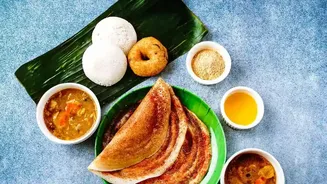
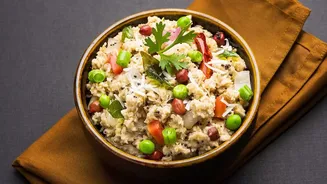
Beyond pancakes, the world of legumes offers a variety of breakfast options. Sprouted moong or a mixed sprouts chaat, seasoned with lemon juice and spices, is a refreshing, no-cook or lightly-cooked option that is high in both protein and fibre. For a heartier meal, dishes like Misal Pav from Maharashtra, a spicy curry made from sprouted moth beans, or a simple chana masala (chickpea curry) can be repurposed as a weekend breakfast. In Gujarat, steamed snacks like Dhokla and Khandvi, both made from gram flour, are popular breakfast and snack items that provide a good dose of protein. Even idli, when served with a generous portion of sambar (a lentil and vegetable stew), becomes a balanced meal where the dal provides a significant protein boost.