





The Journey from Seed to Oil
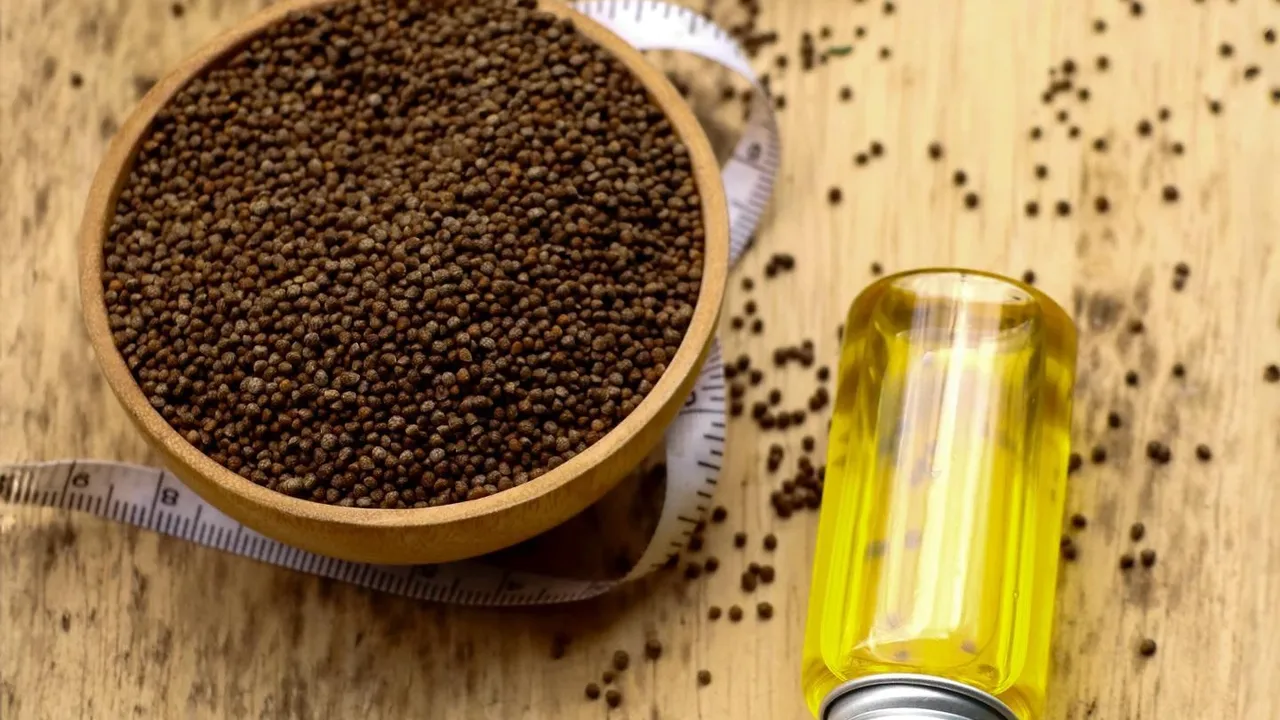
The fundamental difference between cold-pressed and refined mustard oil lies in their extraction process. Cold-pressed oil, often labelled as 'Kachi Ghani', is made by crushing mustard seeds at a low temperature without using external heat or chemicals.
This traditional, mechanical method preserves the oil's natural properties. Refined mustard oil, however, is produced on a much larger, industrial scale. The process often involves high heat and chemical solvents, like hexane, to extract the maximum amount of oil from the seeds. This is followed by bleaching and deodorising to create a neutral-smelling, lighter-coloured oil. While efficient for production, this intensive process strips the oil of much of its inherent character.
A Tale of Two Flavours
Anyone who has used both oils can attest to the stark contrast in taste and aroma. Cold-pressed mustard oil is celebrated for its signature pungency—a sharp, spicy kick that comes from a natural compound called Allyl Isothiocyanate (AITC). This robust flavour is essential for authentic dishes like Bengali fish curries, Punjabi pickles, and Sarson ka Saag. Refined mustard oil, having been deodorised, is almost completely neutral in taste and smell. While some might prefer this for its subtlety, it fails to deliver the distinctive flavour that makes mustard oil a culinary icon in Indian cuisine. For dishes where the oil is a key flavour component, cold-pressed is the clear winner.
The Nutritional Divide
The gentle extraction of cold-pressed oil means it retains a wealth of nutrients that are lost during the refining process. Cold-pressed mustard oil is a powerhouse of healthy fats, including a good balance of Omega-3 and Omega-6 fatty acids, along with monounsaturated fats that are beneficial for heart health. It also keeps its natural antioxidants and Vitamin E, which fight cellular damage. In contrast, the high heat and chemical treatment used to make refined oil destroys most of these beneficial compounds. What remains is a product with a similar fat content but a significantly diminished nutritional profile.
In the Kitchen: Smoke Point and Usage
A common misconception is that cold-pressed oils are unsuitable for high-heat cooking. However, cold-pressed mustard oil has a high smoke point of around 250°C (480°F), making it perfectly suitable for most Indian cooking methods, including sautéing and frying. The smoke point for refined mustard oil is similar, but its nutritional integrity degrades under heat. For everyday cooking like preparing sabzis, dals, and marinades, the flavour and health benefits of cold-pressed oil make it a superior choice. Its natural antimicrobial properties, thanks to AITC, also make it the traditional and ideal choice for making pickles. Refined oil's primary advantage is its neutrality, making it a generic frying medium without adding any character to the food.
More Than Just an Oil
The benefits of cold-pressed mustard oil extend beyond its basic nutritional fats. The compound glucosinolate, retained in cold-pressed oil, has been studied for its antibacterial, antifungal, and anti-inflammatory properties. This is why mustard oil has been used for generations in traditional remedies for soothing colds and for skin and hair care. These therapeutic qualities are largely absent in refined versions, which are processed for a long shelf life and consistent appearance rather than for their natural health-promoting attributes. Choosing cold-pressed oil means you are getting the full spectrum of benefits that mustard seeds have to offer.