

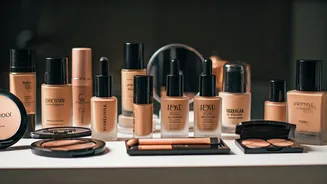
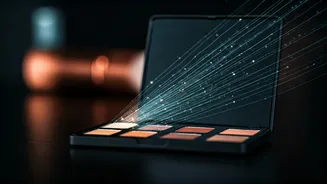


Your Digital Beauty Counter
The traditional beauty shopping experience often involves a lot of trial and error. Swatching dozens of lipstick shades on your arm or buying an expensive serum only to find it doesn't suit your skin type can be frustrating and costly. Artificial intelligence
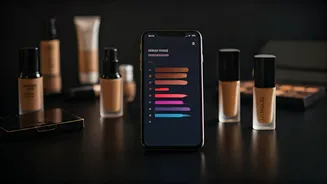
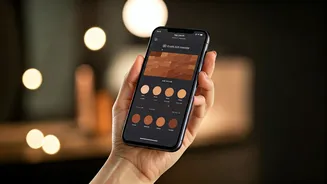
(AI) is changing this by bringing the expertise of a beauty consultant directly to your device. Using complex algorithms, computer vision, and machine learning, AI-powered tools can analyze your unique features and preferences to offer hyper-personalized advice. This technology aims to make shopping more efficient, reduce product returns, and build consumer confidence, especially in the world of e-commerce.
The Virtual Try-On Revolution
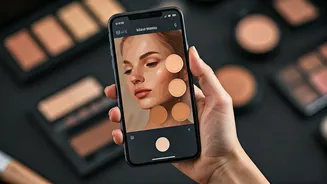
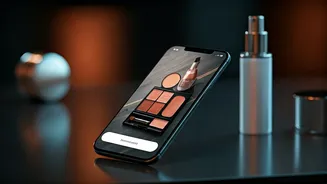
One of the most visible ways AI is transforming beauty is through virtual try-on (VTO) technology. Major brands like L'Oréal, Sephora, and Maybelline now offer tools that use your phone's camera as a virtual mirror. In collaboration with tech companies like ModiFace and Perfect Corp, these features use augmented reality (AR) to let you see how hundreds of different lipstick, eyeshadow, or even hair colour shades will look on you in real-time. The technology works by precisely mapping your facial features—like lips and eyes—and overlaying the digital makeup with remarkable accuracy. This has become particularly useful in a post-pandemic world, offering a hygienic alternative to in-store testers. For Indian shoppers, platforms like Nykaa have integrated L'Oréal's ModiFace technology to bring this immersive experience to local consumers.
Your Personal Skincare Analyst
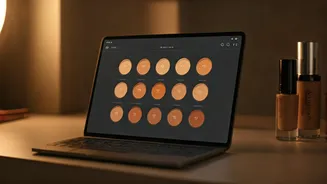
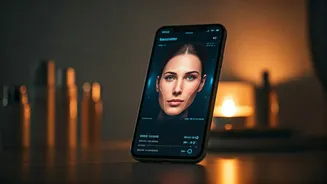
AI's capabilities go far beyond just makeup. A new wave of smart skin analysis tools promises to demystify skincare. By uploading a selfie, these AI systems can detect a range of skin concerns, including fine lines, wrinkles, pigmentation, and pore size. Brands like Vichy, Clarins, and platforms like Haut.AI use algorithms trained on thousands of dermatologically annotated images to provide a detailed skin profile. Based on this analysis, the AI recommends a tailored routine with specific products designed to address your unique needs. Some advanced tools can even factor in environmental conditions like local weather and pollution levels to refine their suggestions. It’s like having a personal skin consultant available 24/7, helping you make informed decisions about your skincare regimen.
The Brains Behind the Brands
Global beauty giants are investing heavily in this technological shift. L'Oréal has positioned itself as a 'Beauty Tech' company, developing services like the 'Beauty Genius,' an AI-powered personal assistant available on its website and WhatsApp. This tool offers diagnostics, recommendations, and virtual try-ons. Similarly, Sephora has integrated AI across its entire platform, from its 'Virtual Artist' try-on feature to personalized product suggestions within its loyalty program. These initiatives are not just about customer-facing features; AI is also being used behind the scenes to forecast trends, manage inventory, and even accelerate the development of new product formulations.
A Personalized But Private Future?
The promise of a perfectly personalized beauty routine is compelling, but it doesn't come without questions. For these AI systems to work, they require access to personal data, including photos of your face and details about your skin concerns. This has raised valid concerns about data privacy and how this sensitive information is stored and used. Furthermore, there is a risk that AI algorithms, if not trained on diverse enough datasets, could reinforce narrow or unrealistic beauty standards. As the technology becomes more widespread, brands will need to be transparent about their data practices and ensure their algorithms are inclusive and unbiased to maintain consumer trust.