
France is a dream destination, synonymous with romance, art, and unforgettable experiences. But sometimes, the reality of its most famous landmarks can differ from the fantasy. This isn't about skipping them, but visiting them with open eyes.
The Mona Lisa's Small Surprise
Leonardo
da Vinci's Mona Lisa is arguably the most famous painting in the world, but the experience of seeing it can be underwhelming for many. First-time visitors are often shocked by its size—it's much smaller than they imagine. Housed in the vast Louvre Museum, the portrait is kept behind protective, non-reflective glass and a barrier to manage the immense crowds. The viewing area is almost always chaotic, with a sea of visitors holding up phones, making a quiet, contemplative moment with the artwork nearly impossible. Instead of fighting the crowds for a fleeting glimpse, consider exploring the Louvre's other countless masterpieces. If you must see her, try visiting late on a weekday evening or first thing in the morning, and be prepared for the bustling environment.
The Eiffel Tower's Crowded Climb
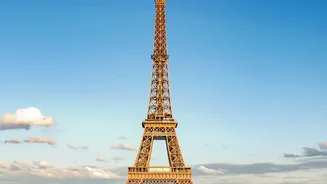
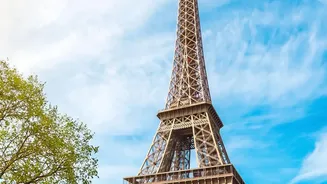
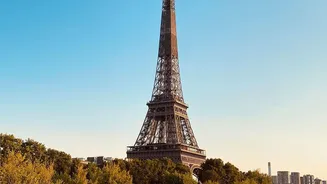
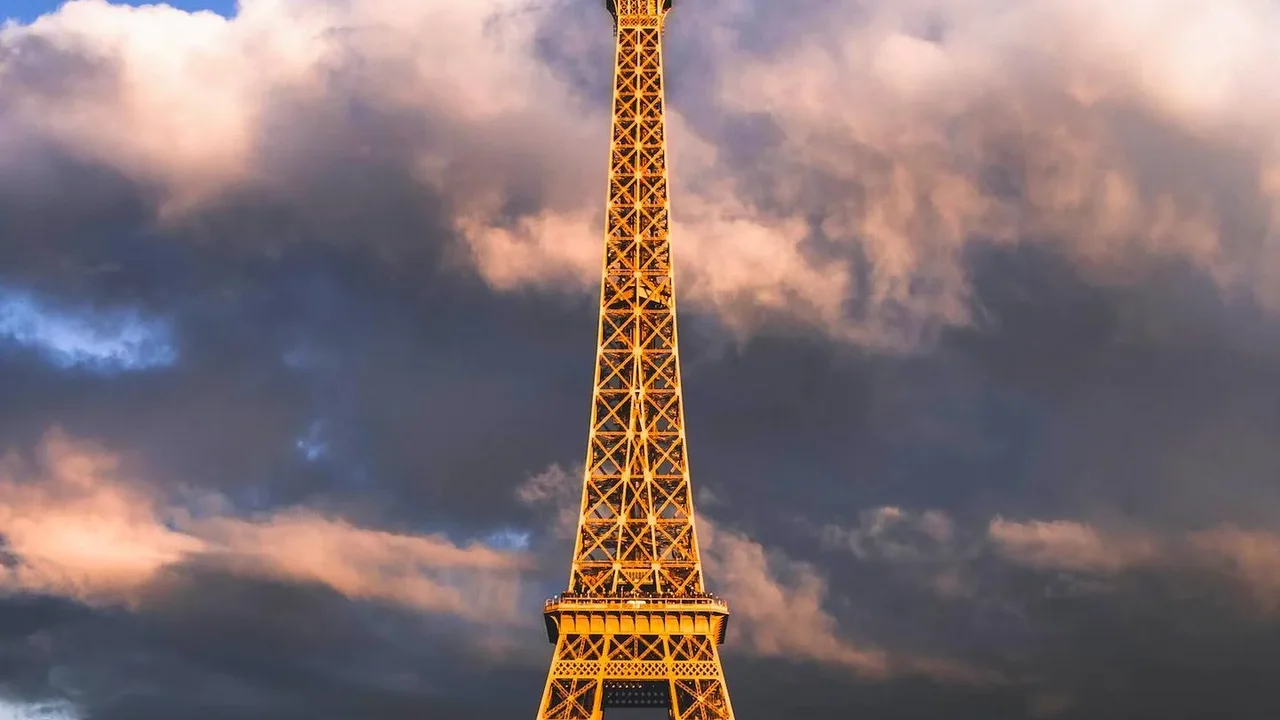
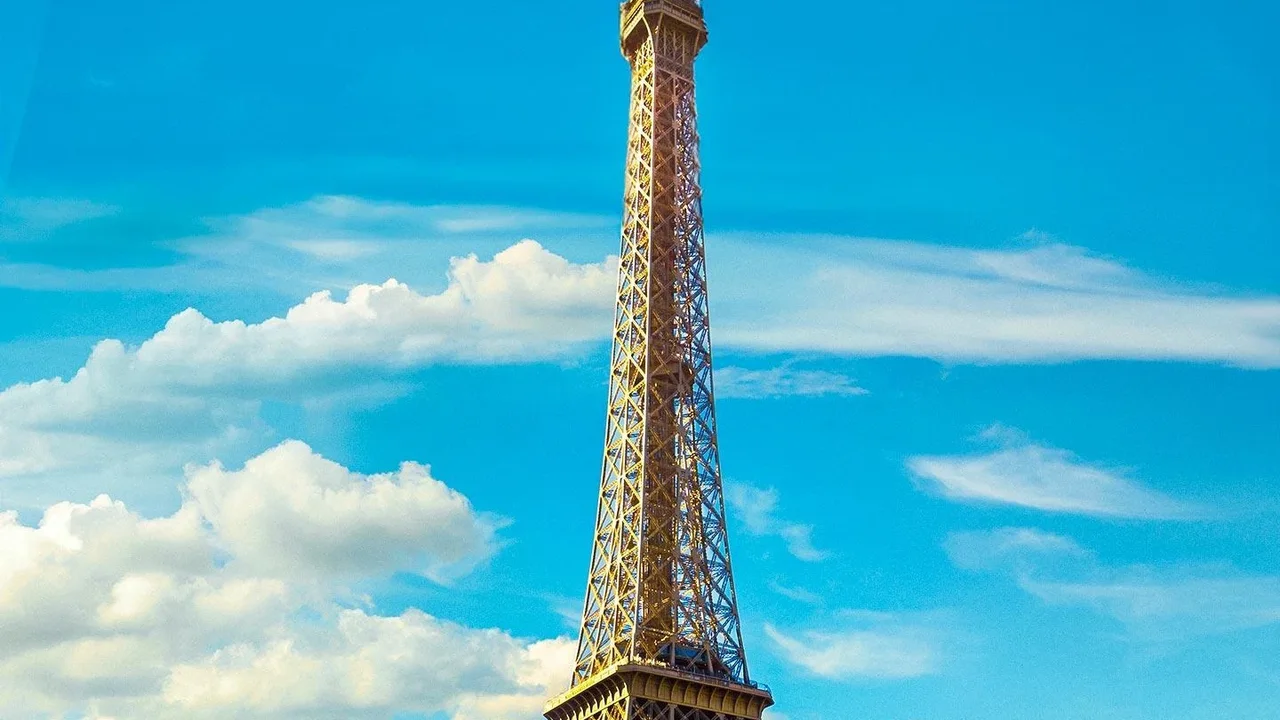
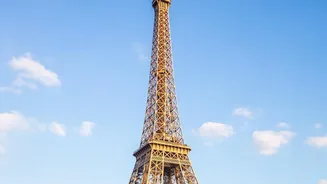
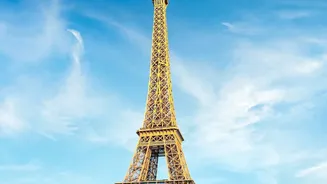
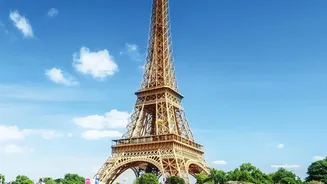
As the quintessential symbol of Paris, the Eiffel Tower is on every traveller's list. However, the reality of a visit often involves long queues for tickets and elevators, high prices, and navigating throngs of tourists and aggressive souvenir hawkers. Once at the top, the viewing platforms can be uncomfortably crowded, making it tough to soak in the panorama. A key drawback many visitors point out is that the best views of the Parisian skyline are the ones that include the Eiffel Tower. For a superior and less stressful experience, consider ascending the Arc de Triomphe or the Montparnasse Tower. Both offer breathtaking views of the city, complete with the Iron Lady herself, and often with significantly shorter waiting times.
Mont Saint-Michel's Tourist Tide
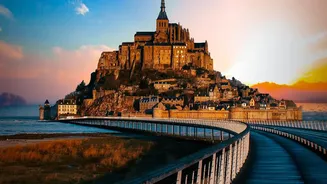
From a distance, Mont Saint-Michel is a fairytale vision—a medieval abbey perched on a tidal island. Up close, however, the magic can quickly fade. The island's single main street, the Grande Rue, becomes intensely congested, especially between 11 a.m. and 3 p.m. during peak season. It can feel less like a historic pilgrimage site and more like a theme park, lined with overpriced souvenir shops and tourist-trap restaurants. To experience its true charm, plan your visit strategically. Arrive early in the morning (before 9 a.m.) or later in the afternoon (after 5 p.m.) when the day-trippers have departed. Even better, stay overnight on the island to witness the serene beauty of its empty, lamp-lit streets after dark.
The French Riviera's Summer Squeeze
The Côte d'Azur, with glamorous names like Saint-Tropez, evokes images of effortless chic and sun-drenched relaxation. During the peak summer months of July and August, however, the reality is often gridlocked traffic, overcrowded public beaches, and eye-wateringly high prices for everything from a meal to a parking spot. Saint-Tropez, once a humble fishing village, now sees tens of thousands of visitors a day in summer, creating an intense and often pretentious atmosphere. For a more enjoyable experience, visit in the shoulder seasons of May, June, or September. The weather is still beautiful, but the crowds are more manageable. Alternatively, explore lesser-known but equally charming nearby towns like Ramatuelle or Cassis for a more authentic and relaxing taste of the Riviera.