


Respecting the Altitude
Ladakh’s biggest challenge is its elevation. Leh sits at over 11,500 feet (3,500 metres), where the air has roughly 40% fewer oxygen molecules per breath than at sea level. Flying directly into Leh causes a sudden altitude gain that can trigger Acute
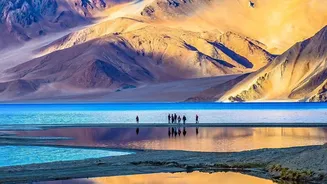
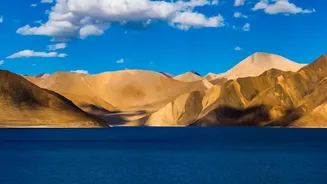
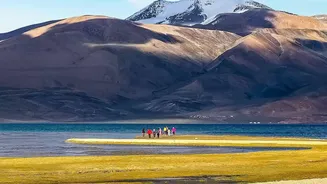
Mountain Sickness (AMS), a condition whose symptoms include headache, nausea, dizziness, and fatigue. Physical fitness offers no special protection; even the most athletic travellers can be affected. The key to prevention is acclimatization. Upon arrival in Leh, experts strongly recommend resting for a minimum of 24 to 48 hours. This means no strenuous activity—not even aggressive stair climbing or long walks. During this period, focus on staying hydrated by drinking three to four litres of water daily and eating high-carbohydrate meals, which require less oxygen to digest. Avoid alcohol and smoking, as they can hinder the acclimatization process. Only after this initial rest period should you plan trips to higher altitudes like Pangong Lake (4,250m) or Khardung La pass (5,602m).
Dressing for Desert Cold
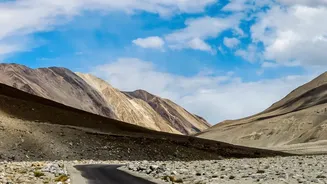
Ladakh’s climate is one of extremes. As a high-altitude cold desert, it experiences vast temperature swings. A brilliant, warm sun can make a July afternoon feel pleasant, but the moment the sun sets, temperatures plummet. Even in the warmest summer months of July and August, night temperatures in Leh can drop significantly, while at higher elevations like Pangong Tso, they can dip below freezing. The secret to comfort is layering. Instead of a single bulky winter coat, pack multiple layers that you can add or remove as conditions change. Your packing list should include base-layer thermals, full-sleeve t-shirts, a fleece jacket for insulation, and a windproof and waterproof outer jacket. Warm woollen socks, a beanie or cap, and gloves are non-negotiable, especially for early mornings and evenings. Powerful UV rays at high altitude also make sunglasses and a high-SPF sunscreen essential year-round to prevent severe sunburn.
Navigating the Popular Routes
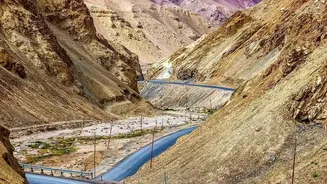
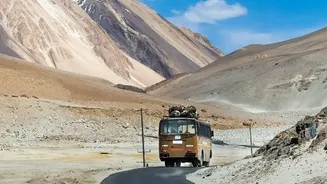
Ladakh's growing popularity means you won't be alone. July and August are peak tourist season, leading to considerable traffic on key arteries like the routes to Nubra Valley and Pangong Lake. As of late July 2026, the main highways from Srinagar and Manali are open, but expect congestion, particularly around high passes like Zoji La. To manage the crowds, plan your itinerary with buffer days in case of unexpected delays from landslides or traffic jams. Booking accommodations and taxis well in advance, especially during peak season, is crucial. Don’t try to rush; an itinerary that attempts to cover Leh, Nubra, and Pangong in just a few days is a recipe for exhaustion and altitude sickness. For a better experience, consider exploring at a slower pace or visiting during the shoulder seasons of September and October, when the crowds thin out, but the weather is still pleasant. Also remember to secure necessary permits, such as the Inner Line Permit for Indian citizens, required for areas like Nubra Valley and Pangong Lake.
Your Essential Prep Checklist
A little planning goes a long way. Before you go, consult a doctor about your trip, especially if you have pre-existing health conditions. They may recommend altitude sickness medication like Acetazolamide (Diamox), which should be taken as a preventive measure before symptoms start. Pack a basic first-aid kit with pain relievers, medication for motion sickness, band-aids, antiseptic wipes, and any personal prescriptions. Cash is king outside of Leh city, as ATMs are scarce in remote areas. Carry enough currency for meals, tips, and small purchases. A power bank is also essential, as electricity can be unreliable in villages and camps. Finally, travel with a mindset of patience and respect. The infrastructure is developing, and the local culture has deep Buddhist roots. Dress modestly when visiting monasteries, always ask before taking photos of people, and follow local customs like walking clockwise around stupas. This mindful approach will enrich your journey immeasurably.