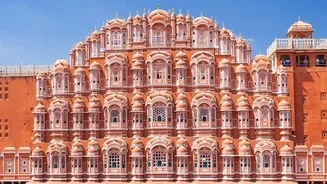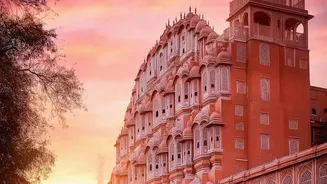

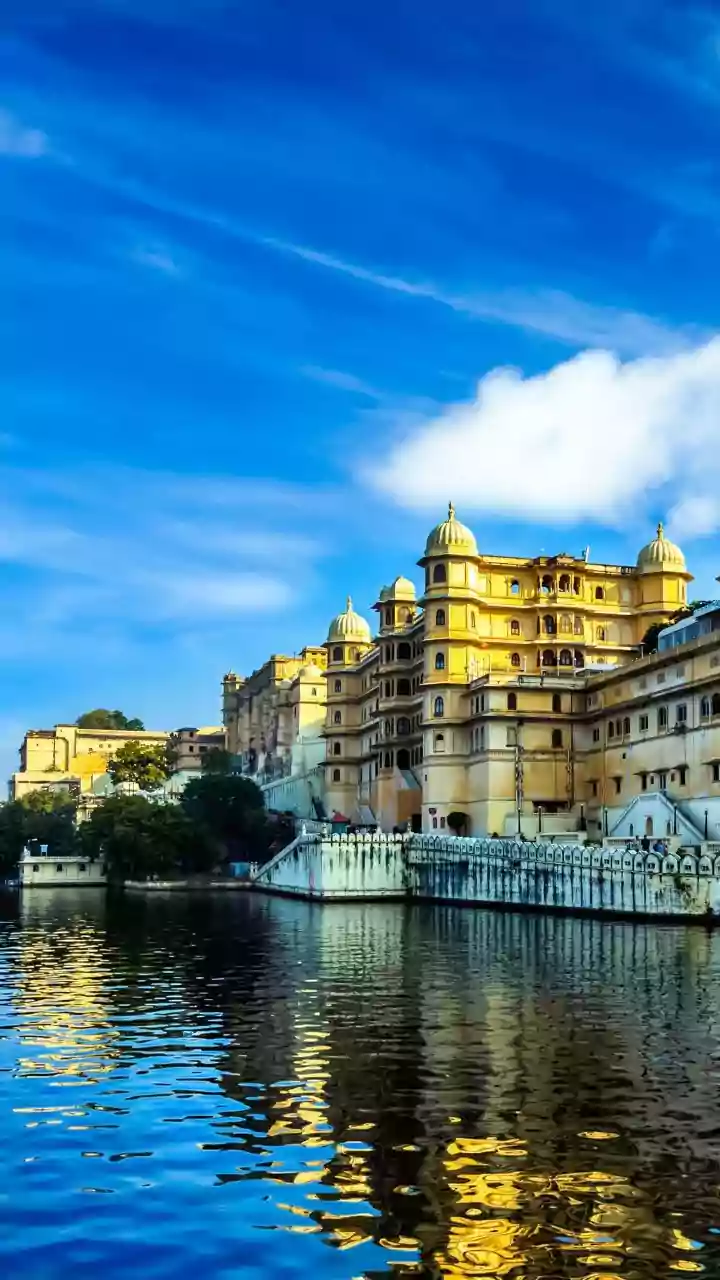

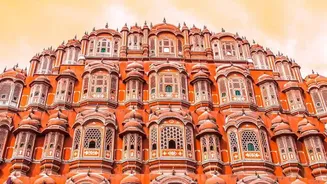
As the winter sun casts a gentle glow on its terracotta buildings, Jaipur sheds the intense heat of summer and welcomes visitors with cool breezes and clear skies. This is the Pink City at its best, a perfect time to explore its legendary past.
Why Winter is the Ideal Season
From November
to February, Jaipur's weather is exceptionally pleasant, with daytime temperatures hovering in the comfortable low to mid-20s Celsius. This mild climate is perfect for the considerable walking required to explore the city's sprawling forts and bustling open-air bazaars without the exhaustion of summer heat. The mornings are crisp, evenings are cool, and the soft winter light makes for stunning photography against the city’s historical architecture. It’s a season of festivals, including the famous Jaipur Literature Festival and the Kite Festival in January, adding another layer of cultural vibrancy to your visit.
The Triple Crown of Forts
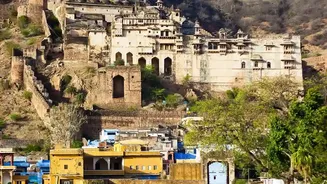
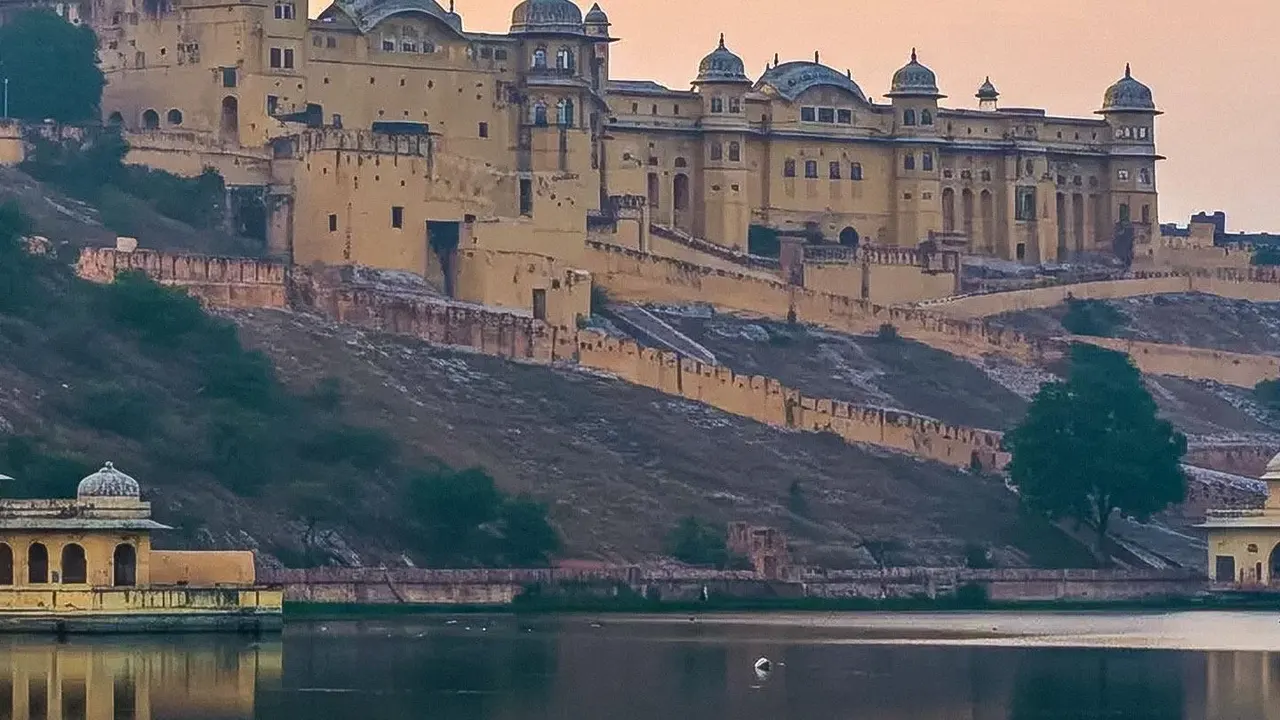
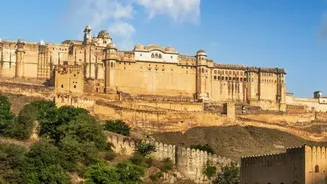
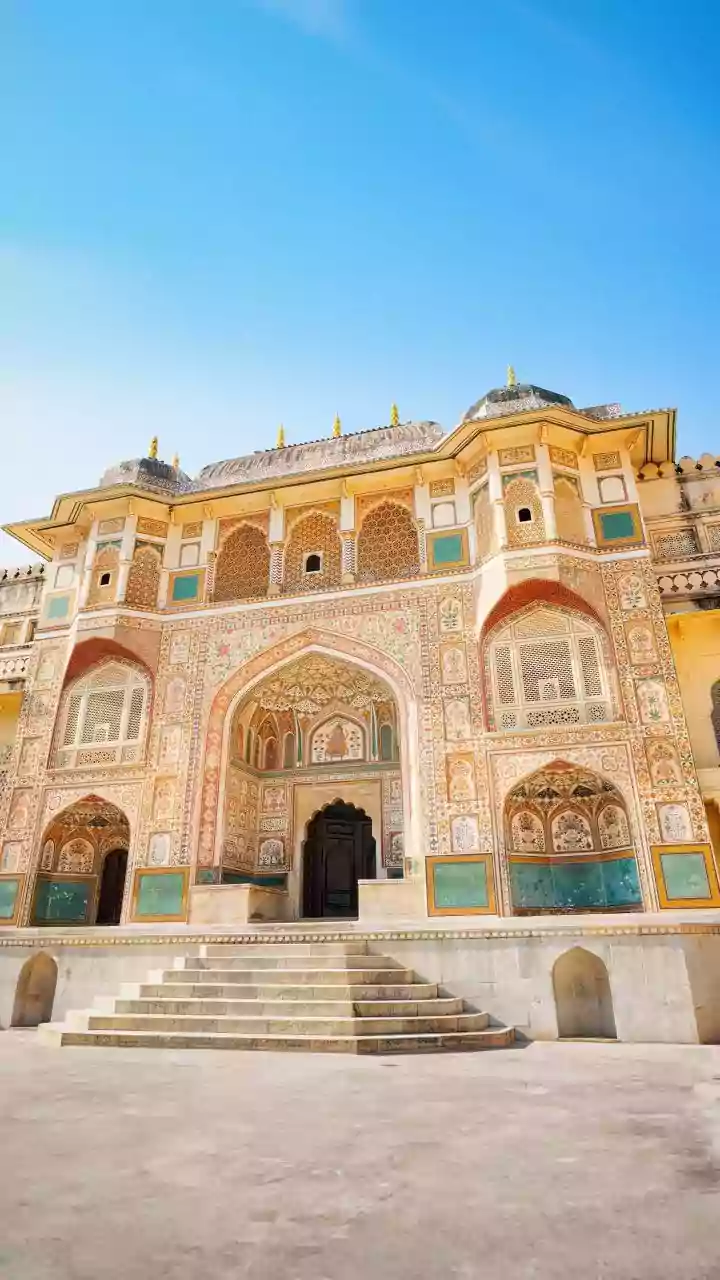
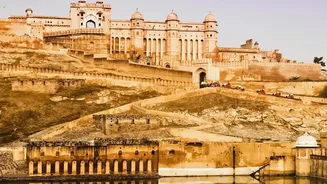
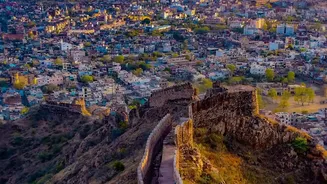
Jaipur is famously guarded by three magnificent forts, each offering a unique window into the region's royal history. The most iconic is Amer Fort, a UNESCO World Heritage site known for its grand courtyards, intricate blend of Hindu and Mughal architecture, and the stunning Sheesh Mahal, or Palace of Mirrors. For a different perspective, head to Nahargarh Fort, which sits on the Aravalli ridge and offers breathtaking panoramic views of the entire city, especially at sunset. Connected to Amer via fortifications, Jaigarh Fort provides a more rugged, military-focused experience. It is home to the Jaivana, once the world's largest cannon on wheels, and offers a commanding view of the surrounding landscape. Together, these three forts formed a powerful defensive ring for the city.
A Shopper's Guide to the Bazaars
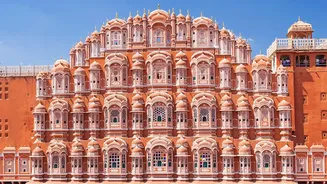
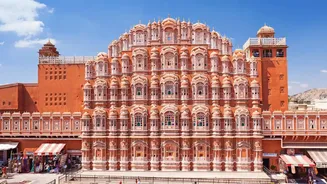
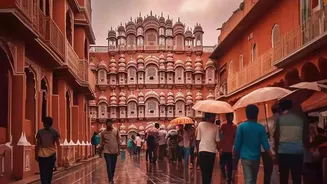
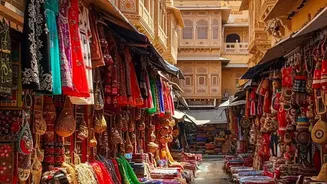
No trip to Jaipur is complete without diving into its vibrant markets. The two most famous, Johari Bazaar and Bapu Bazaar, are located conveniently within the old walled city, a short walk from each other and landmarks like Hawa Mahal. Johari Bazaar, as its name suggests, is the epicentre for jewellery. It is renowned for traditional Kundan and Meenakari work, gemstones, and intricate silver ornaments. Bapu Bazaar is a colourful explosion of textiles, famous for its block-printed fabrics, leather footwear (juttis), and a wide array of affordable souvenirs and handicrafts. For a more local experience, explore Tripolia Bazaar, known for its lac bangles and brassware.
Practical Tips for Your Winter Visit
To make the most of your trip, start your sightseeing early. Forts like Amer are best visited in the first couple of hours after opening to avoid crowds and enjoy the soft morning light. Comfortable walking shoes are non-negotiable, as exploring both forts and markets involves covering a lot of ground. When it comes to clothing, layering is key; pack light jackets or shawls for the chilly mornings and evenings, which can be shed during the warmer afternoons. While exploring the markets, remember that bargaining is a part of the local culture, so feel free to negotiate prices politely. Hiring a cab for the day can be an efficient way to move between the far-flung forts before exploring the centrally located markets on foot.
Savour the Flavours of Winter
Winter is also the best time to indulge in Jaipur's rich culinary offerings. The cooler weather makes hearty Rajasthani dishes even more appealing. Don't miss out on Dal Baati Churma, a signature meal of baked wheat balls served with lentils and a sweet crumble. Street food stalls and sweet shops are filled with seasonal specialities. Look for 'gajak,' a crispy sweet made from sesame seeds and jaggery, and 'gond ke laddoo,' energy-rich sweets made with edible gum and dry fruits, both designed to keep you warm. For a savoury snack, try a hot 'pyaaz kachori' (onionfilled pastry) in the morning or a spicy 'mirchi bada' (chilli fritter) in the evening.