


The Numbers Behind the Shift
Recent data reveals a dramatic change in property launches. In the first quarter of 2022, homes priced below ₹1.5 crore made up 85% of new launches in India's top cities. By the first quarter of 2026, that share had plummeted to just 47%. Conversely,
the share of homes in the ₹1.5 crore to ₹4 crore bracket surged from 14% to 44% in the same period. The ultra-luxury segment (above ₹4 crore) also grew, expanding from 1% of new launches to 9%. This trend shows that developers are increasingly concentrating on higher-value projects, a move driven by both consumer demand and economic factors.
What's Driving the Upmarket Move?
Several factors are fueling this premiumisation. A primary driver is the post-pandemic shift in buyer preferences. Homeowners now seek larger living spaces, better amenities, and features that support hybrid work models. Rising disposable incomes and a growing number of high-net-worth individuals (HNIs) have also increased the demand for high-end properties that offer an exclusive lifestyle experience. From the supply side, developers are grappling with rising costs for land, construction, and regulatory compliance, which makes building affordable housing less profitable. As a result, they are focusing on the more resilient and higher-margin luxury segment, which is less sensitive to inflation and interest rate hikes.
The New Definition of Luxury
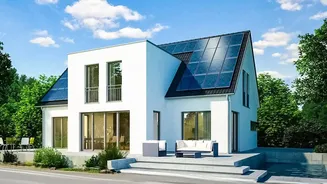
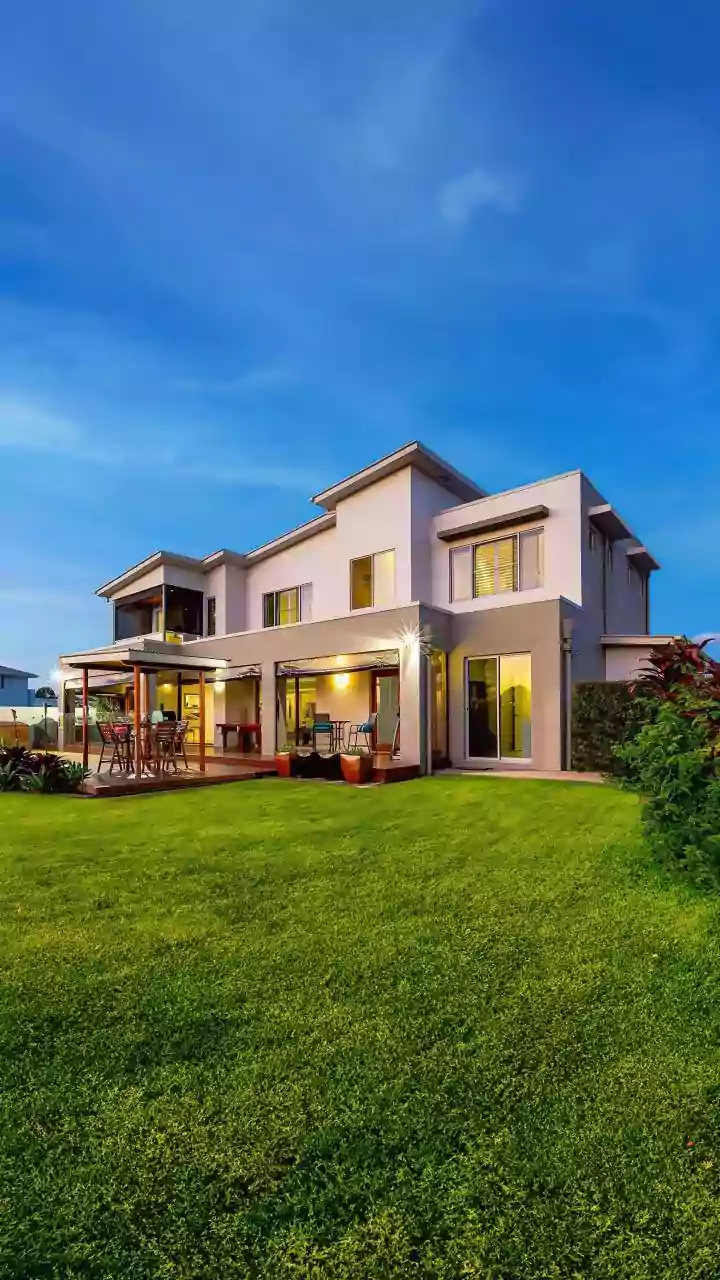
The concept of luxury itself has evolved. It's no longer just about a prime address and marble floors. Today's affluent buyers prioritize experience and wellness over simple opulence. Key demands include homes with smart automation, sustainable features like rainwater harvesting and solar panels, and wellness-focused amenities such as air purification systems, fitness centers, and green spaces. Branded residences, developed in partnership with global luxury brands, are also gaining traction, promising international standards of quality and service.
How This Affects Mid-Range and Affordable Buyers
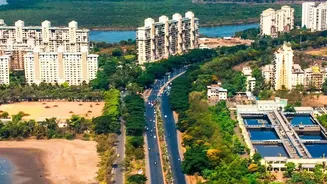
While the luxury market booms, buyers in the affordable and mid-range segments face a shrinking pool of options. With developers launching fewer projects in these categories, competition for available inventory can be stiff. However, overall housing affordability has remained stable in several major cities like Ahmedabad, Kolkata, and Pune, thanks to stable home loan interest rates in the first half of 2026. In contrast, markets like Mumbai Metropolitan Region (MMR) and the National Capital Region (NCR) remain challenging from an affordability standpoint. Buyers in these segments should be prepared for a more extended search and may need to explore emerging corridors and peripheral areas where new, more affordable supply is coming up.
Tips for Navigating This Market
Whether you're aiming for a premium property or a mid-range home, careful planning is crucial. For those eyeing the luxury segment, thorough due diligence on the developer's track record is non-negotiable to ensure that promised quality and amenities are delivered. It is also vital to assess the long-term value of the location, considering its connectivity and upcoming infrastructure projects. For mid-range buyers, flexibility is key. Be open to exploring properties in developing micro-markets just outside the city center, which often offer better value and future growth potential. Regardless of your budget, analyze the total cost of ownership, including maintenance, taxes, and other hidden fees, before making a final decision. Don't be swayed by marketing hype; focus on the fundamental value of the property.
Which Cities Are Leading the Trend?
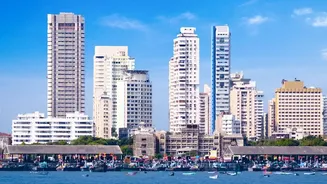
The upmarket shift is not uniform across India. While overall sales moderated in some cities in early 2026, the premium segment remained strong. Mumbai and Delhi-NCR continue to lead in luxury sales volumes. However, southern cities have shown remarkable resilience and growth. In the first quarter of 2026, Chennai saw a 9% rise in housing sales, followed by Bengaluru with 5% and Hyderabad with 1%, while sales declined in Pune and Delhi-NCR. These southern hubs are benefiting from strong IT sector growth and infrastructure development, making them attractive destinations for both end-users and investors.