



The Two Types of Dietary Iron
To understand how to boost your iron levels, it's helpful to know that dietary iron comes in two forms: heme and non-heme. Heme iron is found in animal products like meat, poultry, and seafood. Our bodies absorb this type quite efficiently. Non-heme iron,
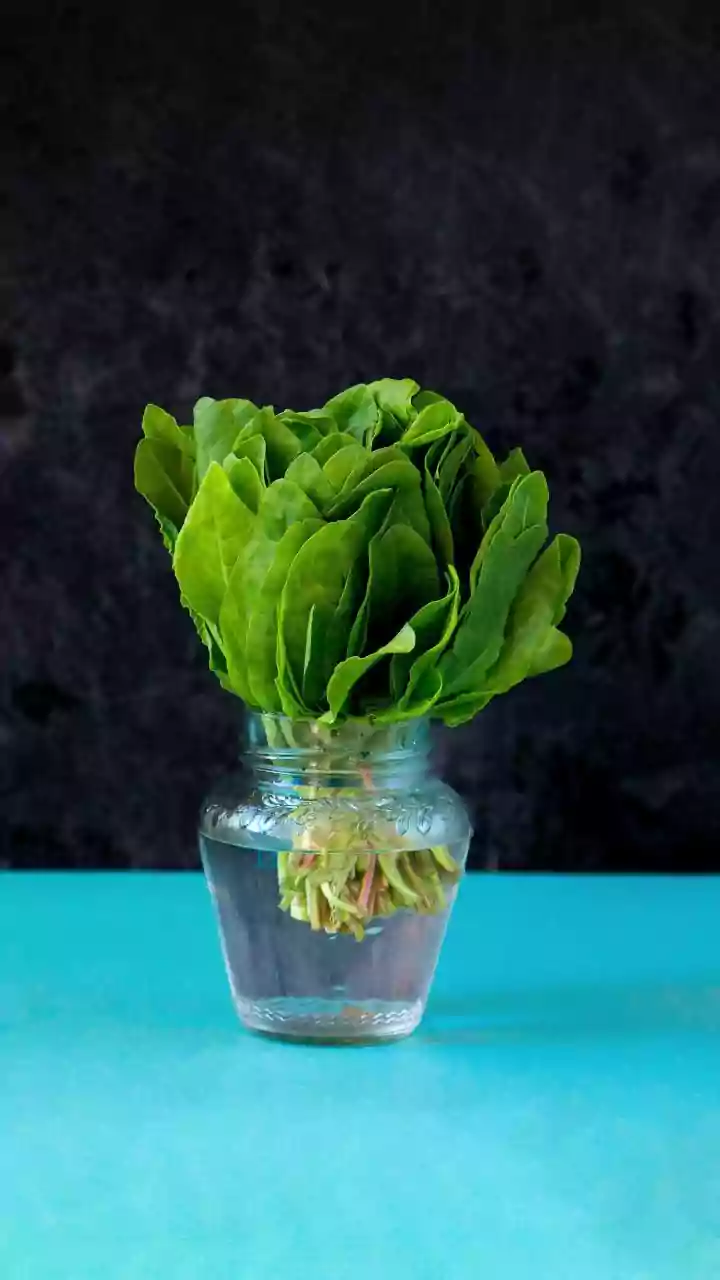
on the other hand, is the type found in plant-based foods such as leafy greens, beans, lentils, and whole grains. While abundant, non-heme iron is less bioavailable, meaning the body has a harder time absorbing it. This is a primary reason why those following vegetarian or vegan diets need to be more strategic about their iron intake to prevent deficiency.
Vitamin C: The Key to Unlocking Plant Iron
This is where vitamin C comes to the rescue. This essential vitamin, also known as ascorbic acid, is a powerful enhancer of non-heme iron absorption. The science is straightforward: when you consume plant-based iron, it's mostly in a form called ferric iron (Fe3+). For your body to absorb it effectively, it needs to be converted into ferrous iron (Fe2+). Vitamin C is the catalyst for this conversion. It essentially captures the non-heme iron and transforms it into a state that your body can easily absorb and use, a process that can increase absorption significantly.
Your Go-To Plant-Based Iron Sources
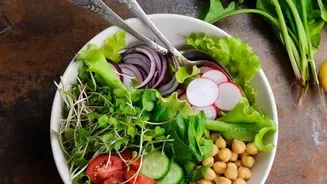
While the headline heroes are leafy greens, the world of plant-based iron is vast. Cooked spinach and Swiss chard are indeed excellent choices. But to ensure you're getting a wide range of nutrients, be sure to include a variety of other iron-rich foods in your meals. Legumes are a powerhouse, with lentils, chickpeas, soybeans, and kidney beans being top contenders. Tofu and tempeh are also fantastic soy-based options. Don't forget about seeds like pumpkin and sesame, nuts like cashews, and whole grains such as quinoa and oats.
Powerful Vitamin C Pairings
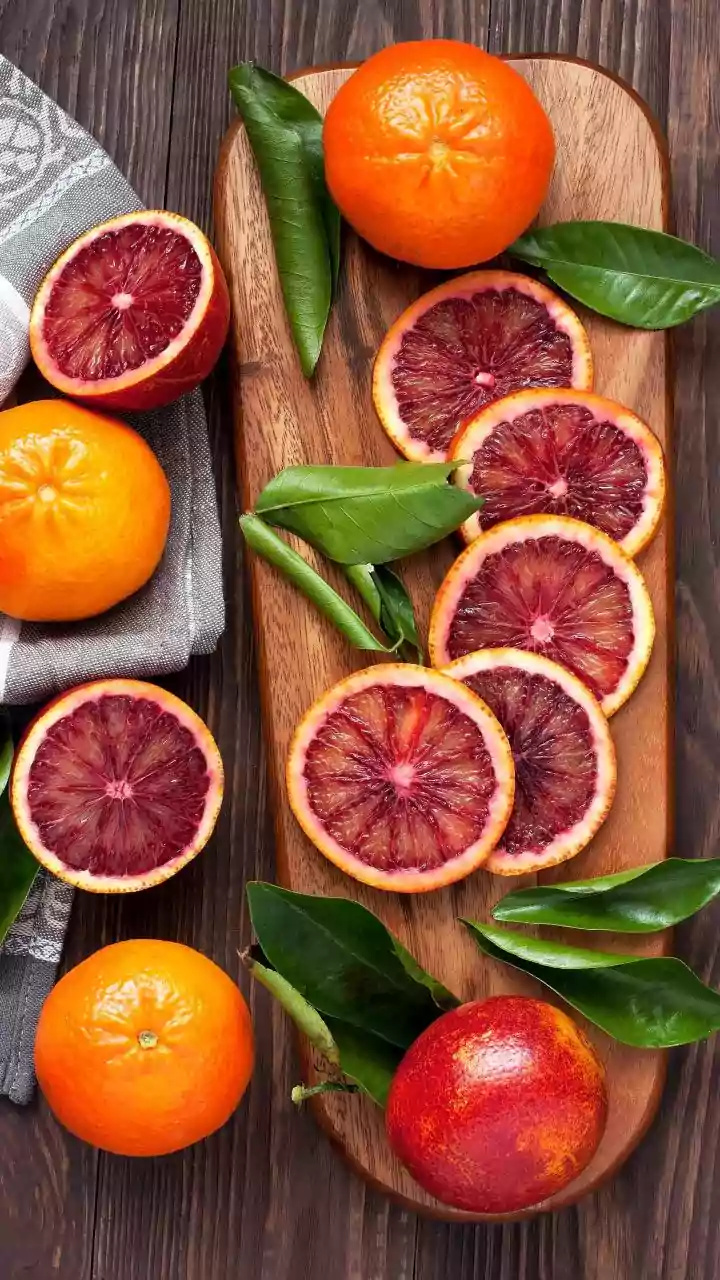
Citrus fruits like oranges, lemons, and grapefruits are famous for their vitamin C content and are a perfect pairing for your iron-rich meals. But you don't have to stop there. Many other fruits and vegetables are packed with this vital nutrient. Bell peppers, particularly red and yellow ones, are exceptional sources. Broccoli, strawberries, kiwi, tomatoes, and even potatoes are also loaded with vitamin C. Including a variety of these foods not only helps with iron absorption but also contributes to a robust and colourful diet.
Delicious and Effective Meal Combinations
Putting this knowledge into practice is both easy and delicious. Think about creating meals that naturally combine these ingredients. Start your day with a smoothie blending spinach, a banana, and a tangerine or orange juice for a double dose of iron and vitamin C. For lunch, prepare a hearty lentil soup and squeeze fresh lemon juice over it before serving. A salad made with spinach, strawberries, and a sprinkle of pumpkin seeds with a citrus vinaigrette is another winning combination. For dinner, a tofu or chickpea stir-fry with plenty of broccoli and bell peppers is a perfect way to end the day. Even snacks can be optimized: pair hummus (made from chickpeas) with red bell pepper strips for dipping.
What to Consider for Best Results
While adding vitamin C is a great boost, it's also wise to be aware of things that can hinder iron absorption. Compounds called phytates, found in whole grains and legumes, can bind to iron and reduce its uptake. Similarly, polyphenols in coffee and tea can also have an inhibiting effect. You don't need to eliminate these foods, but it's a good strategy to avoid drinking coffee or tea with your iron-rich meals. Instead, have them an hour or two before or after to maximize your absorption potential.