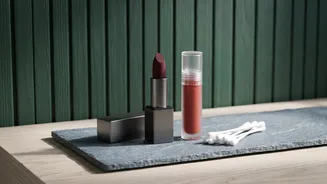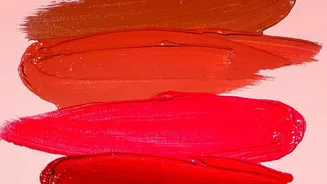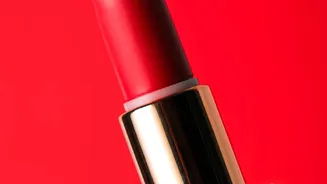


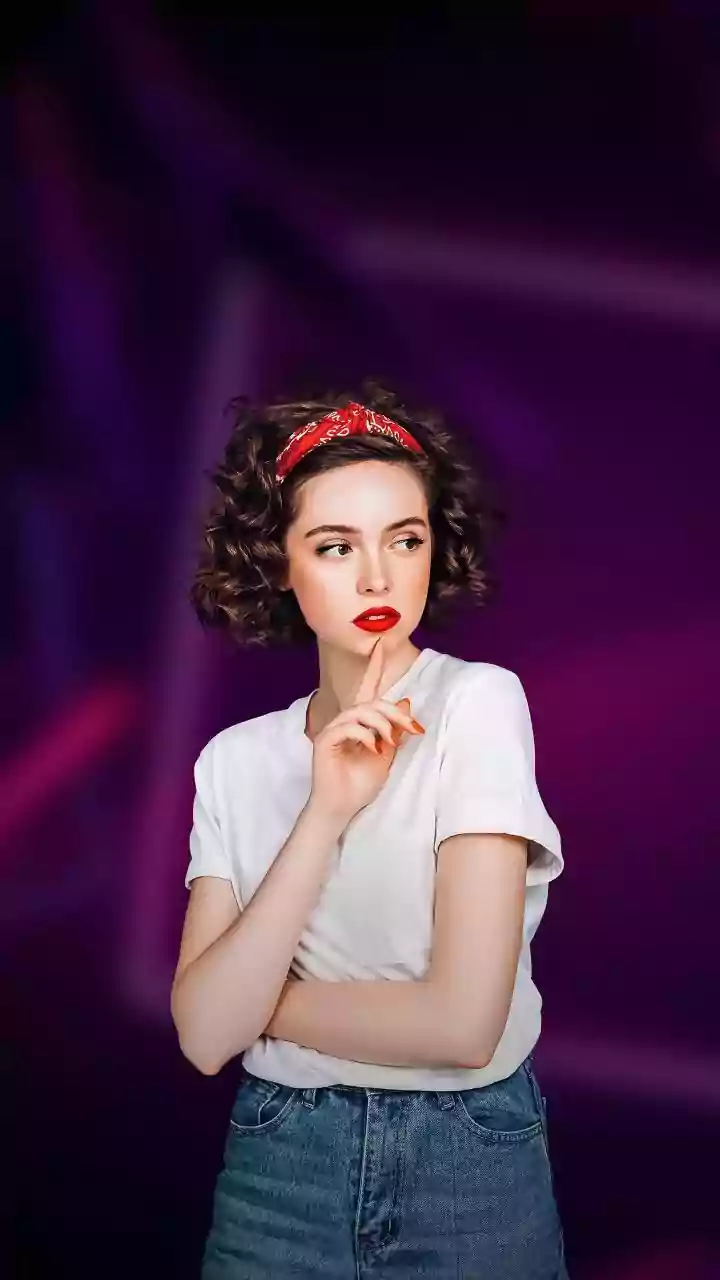
We all have that one bold lipstick we love in the tube but find too intense for daily wear. The solution isn't to save it for special occasions, but to change the application. A diffused edge is the key to making it perfectly casual.
The Psychology of a Blurred Line
Think about the difference
between a sharply tailored blazer and a soft, chunky knit sweater. One feels formal and structured, the other relaxed and approachable. The same principle applies to makeup. A crisp, defined lip line signals precision, intention, and a certain formality. In contrast, a blurred or diffused edge has a soft-focus effect that reads as effortless and undone. This technique, often called 'blurred lips' and popularised in K-beauty, intentionally softens the perimeter of your lip colour. The result is a romantic, 'just-bitten' look that feels more like a natural flush of colour than a deliberate application of makeup. It’s less about solid structure and more about creating a mood that is modern, easygoing, and refreshingly low-maintenance.
From Opaque Pigment to Lived-In Stain
A full-pigment lipstick, when applied traditionally, creates an opaque block of colour. This can feel heavy and sometimes overpower a more casual daytime look. The diffused technique transforms that experience. By concentrating the pigment at the centre of the lips and blending it outwards, you create a beautiful gradient that melts into your natural lip line. This shifts the colour from being a layer sitting on top of your lips to looking like a stain that is one with your lips. The effect is similar to how lipstick looks after being blotted with a tissue or after a few hours of wear, but with more intention and polish. It gives you the impact of the bold shade you love, but in a softer, more wearable format that is incredibly versatile.
How to Master the Diffused Lip
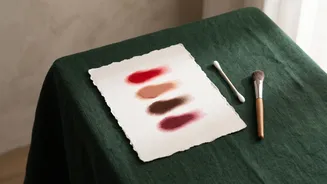
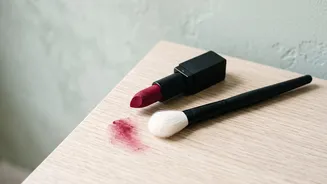
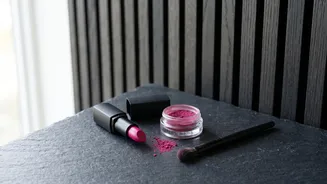
The best part about this trend is that it’s nearly impossible to mess up, as precision is not the goal. Start by ensuring your lips are smooth and hydrated; gently exfoliating first can create a better canvas. Next, apply your chosen lipstick directly to the centre of your top and bottom lips, avoiding the outer edges. Now for the 'blurring' part. Using your fingertip, a small fluffy eyeshadow brush, or even a cotton swab, gently tap and smudge the colour outward toward your lip line. The warmth of your finger is often the best tool for a seamless, natural blend. Continue tapping until the edges are hazy and there are no harsh lines, creating a soft, gradient effect.
Choosing the Right Products and Tools
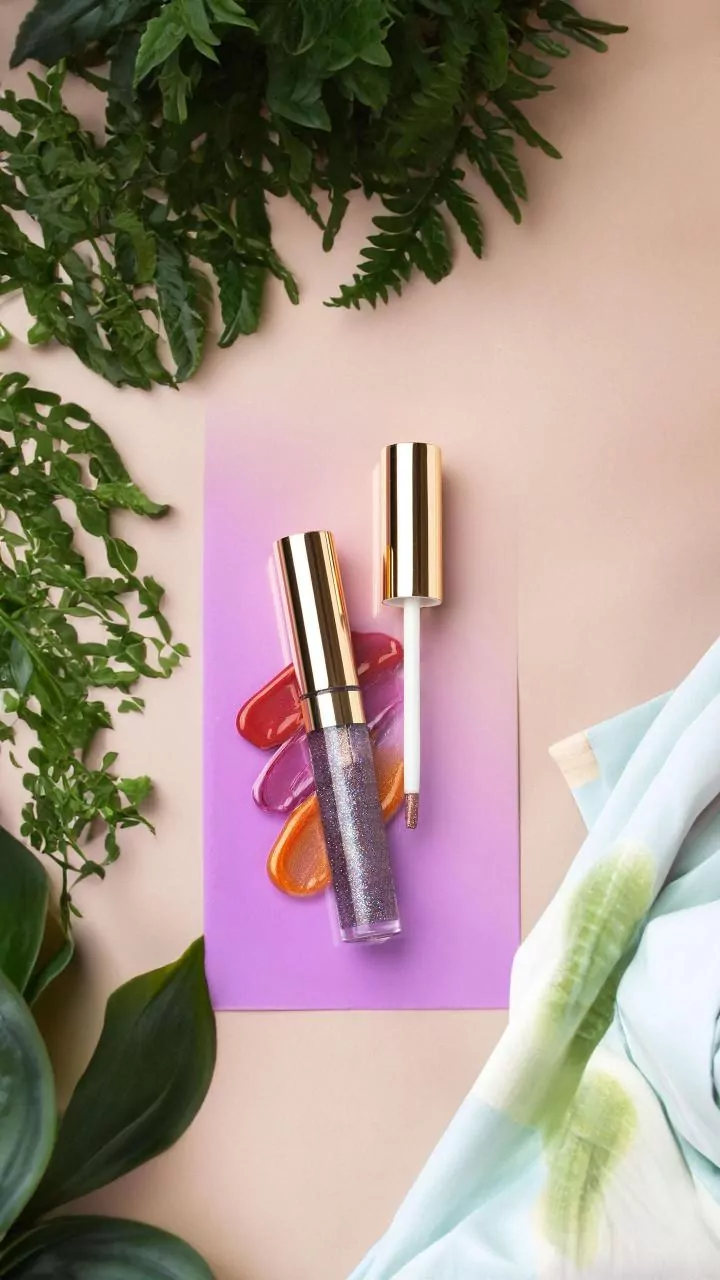
While you can achieve this look with most lipsticks, some formulas make it easier. Creamy mattes, satin finishes, and velvety 'lip mousse' or 'lip mud' textures are ideal because they are blendable and don’t set too quickly. These formulas give you enough playtime to diffuse the edges before they dry down. You can even use tinted balms for a subtler version of the look. It’s best to avoid ultra-longwear liquid lipsticks that lock into place immediately, as they are difficult to smudge. As for tools, your finger is a fantastic option. For more control, a small, clean eyeshadow blending brush can help you achieve a soft, painterly diffusion. You don't need a lip liner, and in fact, skipping it enhances the effortless aesthetic.
Making the Look Your Own
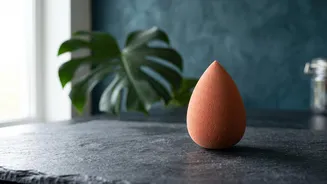
Once you’ve mastered the basic technique, you can customise it. For a bit more definition without sacrificing softness, try applying a nude lip liner that’s close to your natural lip colour and blending it slightly before applying your lipstick. Another popular variation, often seen in Korean beauty, is to use a concealer or the foundation left on your makeup sponge to soften your natural lip line before you start. This creates an even cleaner canvas and makes the central colour pop even more. You can also play with a two-tone effect by using a slightly deeper shade in the very centre of the mouth for a more dimensional gradient. Adding a clear gloss on top can transform the soft matte finish into a juicy, dewy look.