






The Current Monsoon Picture
As of late August 2026, the monsoon remains active but geographically uneven across India. The India Meteorological Department (IMD) has forecast heavy rainfall for several states, including East Uttar Pradesh, East Madhya Pradesh, and Chhattisgarh. A low-pressure
area over central India is driving this activity. Meanwhile, other regions, particularly in the southern peninsula, are experiencing a rainfall deficit. This patchwork of conditions means that while some areas face a risk of flooding and travel disruption, others remain relatively dry. The key takeaway for travellers is that conditions are not uniform; a downpour in Delhi doesn't mean a washout in Rajasthan.
Navigating Travel Disruptions
The primary challenge of monsoon travel is unpredictability. Heavy rain and gusty winds frequently cause disruptions to flights, trains, and road travel. Recently, Delhi's airport saw over 400 flights delayed and 26 cancelled in a single day due to adverse weather. Major airlines regularly issue advisories, and diversions to nearby airports like Jaipur and Lucknow are common. Road travel is equally affected, with risks of waterlogging in cities and landslides in hilly states like Uttarakhand and Himachal Pradesh. Experts suggest building a buffer of at least three hours for connecting domestic flights through major hubs like Mumbai and Delhi and checking real-time transit advisories before starting your journey.
The Rewards of a Monsoon Journey
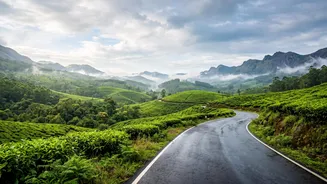
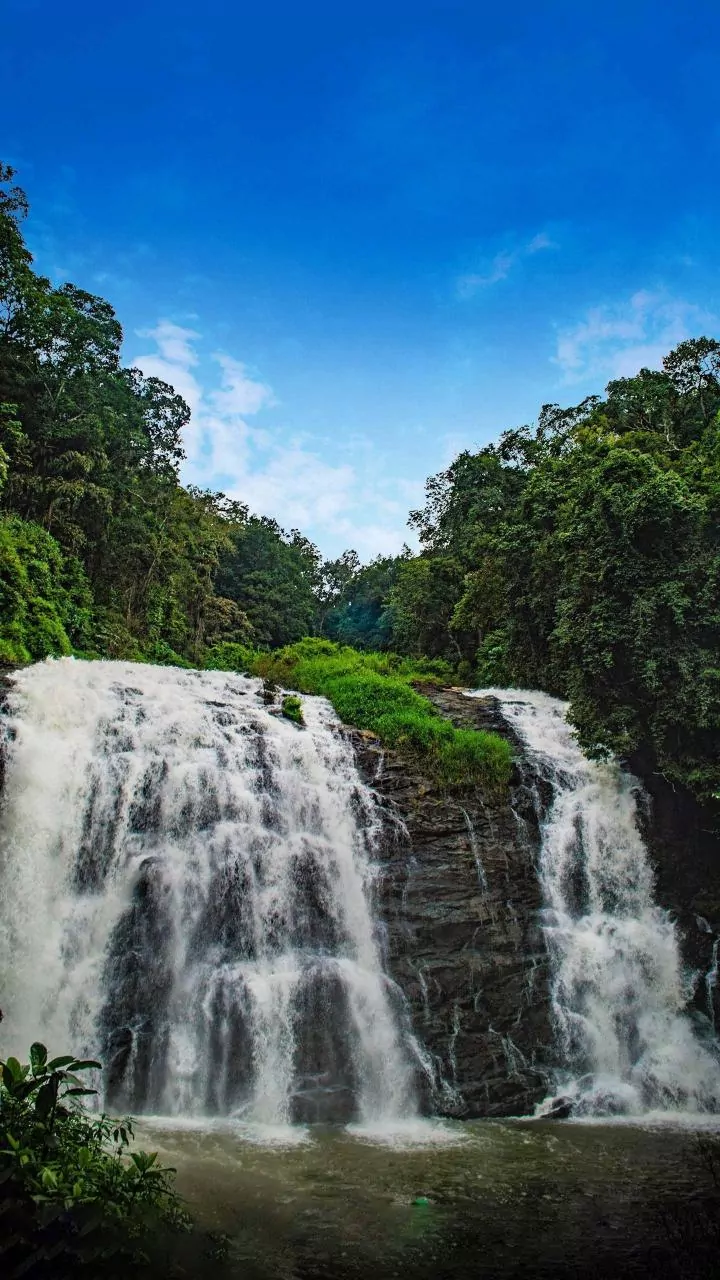
Despite the logistical hurdles, travelling during the monsoon offers unique rewards. The season breathes life into the landscape, turning destinations lush and green. Waterfalls are at their most spectacular, and the clouds create dramatic, photo-worthy skies. Tourist hotspots are generally less crowded, and accommodation prices can be significantly lower than during the peak winter season. Destinations in the Western Ghats like Coorg and Wayanad, or the lake city of Udaipur in Rajasthan, become particularly enchanting. The key is to choose destinations that are beautiful and accessible during the rains, rather than those that shut down.
How to Build a Flexible Itinerary
Flexibility is your greatest asset. Start by booking refundable or flexible tickets for flights and hotels where possible. Instead of a rigid, tightly packed schedule, plan for fewer activities and include buffer days to accommodate potential delays. Before setting out, especially on road trips, check local road conditions. Have backup plans—if a mountain pass is closed, what's your alternative? Could you explore a local museum or cafe instead? It’s also wise to stay updated with real-time weather apps and local news. This approach allows you to adapt to changing conditions and find joy in the unexpected detours that monsoon travel often creates.
Essential Monsoon Packing List
Packing smart can make all the difference. Prioritise lightweight, quick-drying clothes over bulky items. A reliable waterproof jacket and a sturdy umbrella are non-negotiable. Footwear should have a good grip to handle slippery surfaces; avoid leather shoes and opt for waterproof sandals or trekking shoes. Protect your electronics with waterproof bags or zip-lock pouches. A power bank is crucial, as power cuts can occur and you'll rely on your phone for weather updates and navigation. Finally, pack a basic first-aid kit with insect repellent and any necessary medications to handle the health challenges that can come with a damp climate.
Choosing Your Monsoon Destination Wisely
While some areas are prone to severe flooding or landslides, many parts of India are ideal for monsoon travel. Destinations in geographic rain-shadow zones, like Ladakh and parts of Rajasthan, see very little rainfall. Places like Shillong, Coorg, Munnar, Lonavala, and Udaipur are celebrated for their monsoon beauty. These locations generally have a robust tourism infrastructure that can handle the seasonal rains. Conversely, it's wise to be cautious about destinations known for rough seas or high landslide risk during this period. Researching your chosen destination’s specific monsoon patterns and safety record is a crucial final step before booking.