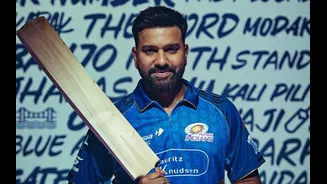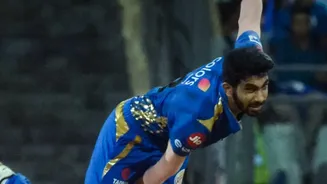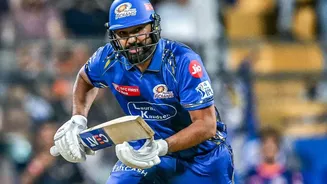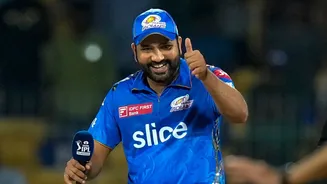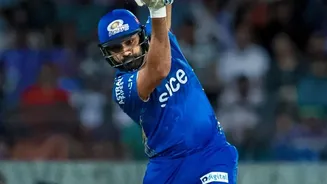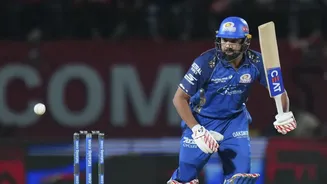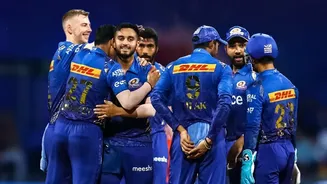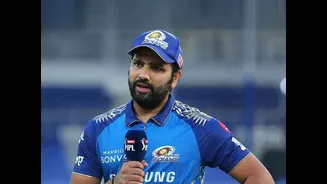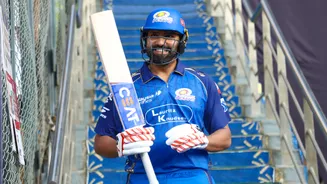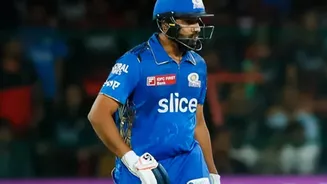


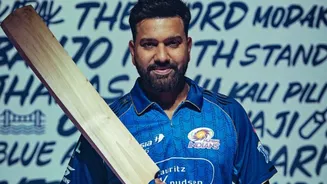
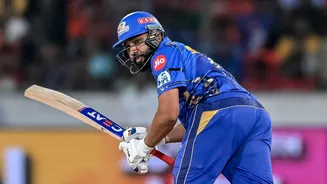
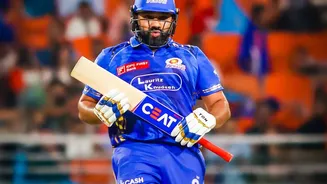
The king has returned to his throne. Mumbai Indians have handed the captaincy for IPL 2027 back to Rohit Sharma, the man who built their dynasty. But after three years away from the helm, this is no simple homecoming. The kingdom has changed.
Reuniting a Divided Locker Room
Rohit’s first
and most delicate task would be to heal a dressing room still bearing the scars of the previous leadership transition. The decision to appoint Hardik Pandya as captain in 2024 was met with widespread fan disapproval and created a tense atmosphere. Reports from subsequent seasons suggested continued pressure and player frustration under Pandya's leadership, which saw the team finish near the bottom of the table twice in three years. Rohit’s return, following Hardik's trade to Punjab Kings, is a course correction, but the underlying currents of player loyalties and egos won't vanish overnight. His challenge isn't just to lead, but to unite. He will need to re-establish his authority while also managing senior players like Suryakumar Yadav and Jasprit Bumrah, who have grown in stature and have leadership aspirations of their own. Winning back the complete trust of a group that has experienced such turbulence will require more than just tactical acumen; it will demand a masterclass in man-management.
Managing an Aging Core and His Own Form
By the time IPL 2027 begins, Rohit Sharma will be approaching 40. While his leadership credentials are undisputed, the physical demands of T20 cricket are relentless. Studies suggest that the peak performance age for T20 players is generally between 24 and 33. Rohit would be leading a squad where other key pillars, like Suryakumar Yadav and Jasprit Bumrah, are also in their mid-30s. Managing his own form and fitness while ensuring the team’s other senior stalwarts aren't overburdened will be a critical balancing act. The 'Impact Player' rule might offer some flexibility, allowing for the strategic use of older specialists. However, the larger challenge is to build for the future. His second captaincy stint cannot just be about one last title run; it must also involve grooming the next generation of MI leaders, like Tilak Varma, ensuring a smoother transition than the last one. It’s a dual mandate: win now, but also secure the franchise's long-term health.
Navigating a Post-Mega Auction Squad
The IPL 2027 season will likely arrive after another mega auction, which forces every franchise to dismantle and rebuild their squads. While teams can retain a few core players, Rohit would almost certainly be leading a roster with many new faces. He would inherit players who have no prior experience with his captaincy style or the famed 'MI culture' that he helped establish. This is a stark departure from his previous reign, where he led a settled, cohesive unit that was built over several years. His task would be to quickly identify a new core, establish a winning combination, and instill his philosophy in a group of players assembled from the high-pressure environment of the auction room. The success of teams like the Gujarat Titans in 2022 showed that a smart auction strategy can build a champion team from scratch. However, it also means Rohit won't have the luxury of relying on long-standing relationships and proven combinations. He will have to prove he can build a champion team, not just lead one.