




Natural Visitors vs. Cosmic Litter
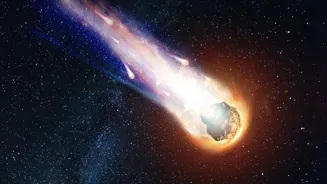
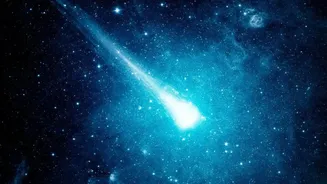
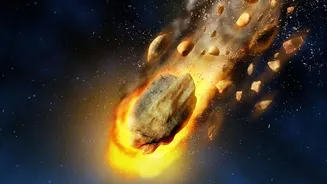
The fundamental difference between a meteor and space junk is its origin. Meteors, or shooting stars, are the visible phenomena that occur when a meteoroid—a small particle of rock or dust from an asteroid or comet—burns up upon entering Earth's atmosphere.
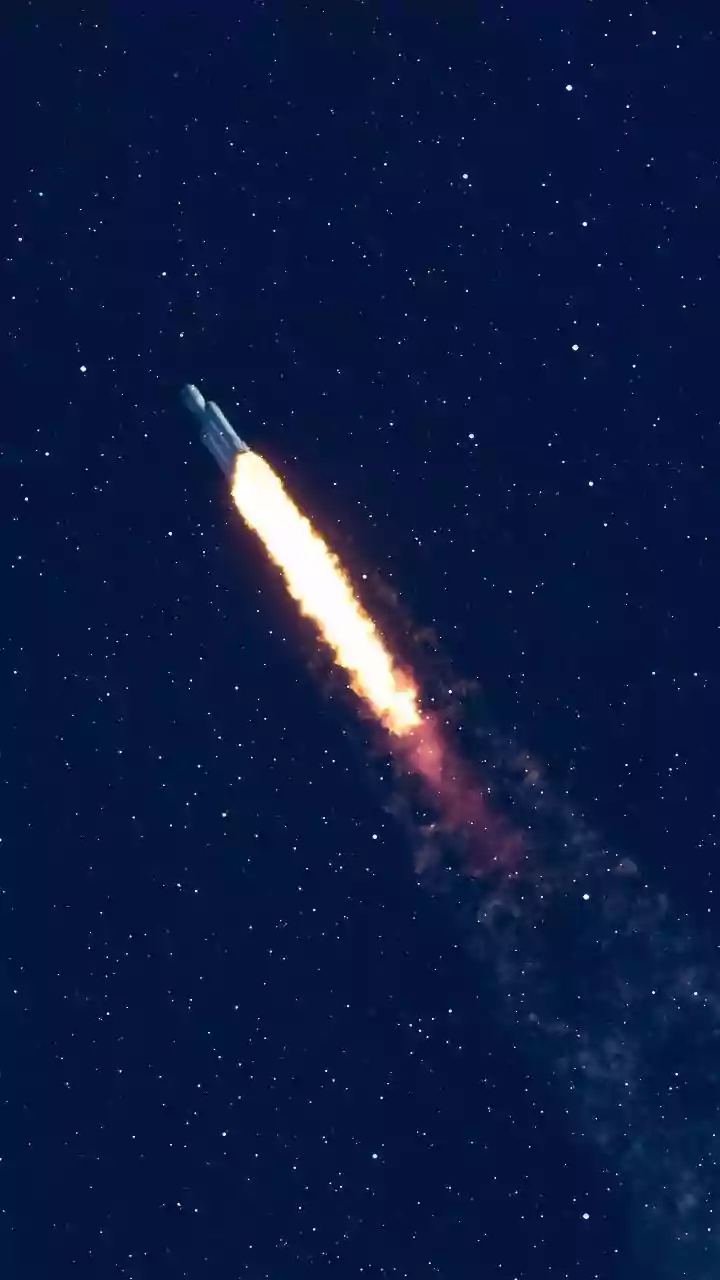
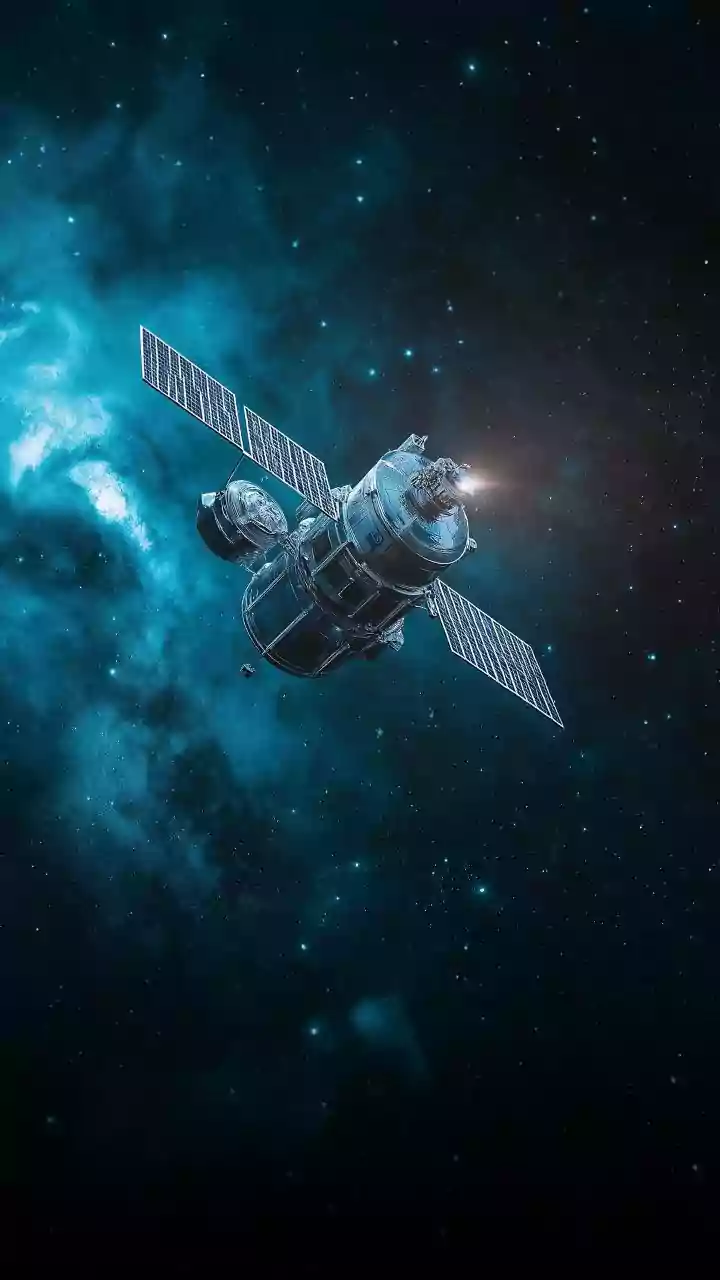
These are natural objects that have been travelling through the solar system for millions or billions of years. In contrast, space junk, also known as orbital debris, is anything man-made left in orbit. This includes old rocket stages, defunct satellites, and fragments from past missions or collisions. While both create fiery displays upon re-entry, their journeys and compositions are vastly different.
First Clues: Speed and Trajectory
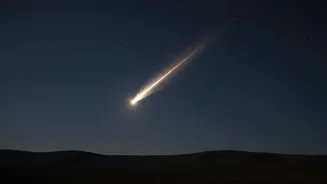
One of the most immediate giveaways is speed. Natural meteoroids hit our atmosphere at staggering velocities, anywhere from 11 to 72 kilometres per second. This high speed means their fiery streak is often intense but very brief, lasting just a few seconds. Space junk, already in Earth's orbit, re-enters at a comparatively leisurely pace of around 8 kilometres per second. This slower speed results in a display that can last much longer, sometimes for a minute or more, and often appears to travel slowly and almost horizontally across the sky. An object breaking into multiple, similarly paced fiery pieces is another strong indicator of space junk, as defunct satellites or rockets tend to fragment during re-entry.
A Network of Sky-Watchers
To move beyond simple observation, scientists rely on sophisticated networks of cameras spread across the globe. Organizations like NASA's All-sky Fireball Network, the European Fireball Network, and Australia's Desert Fireball Network use wide-angle cameras to constantly monitor the sky. When a bright event, called a fireball, is detected by multiple cameras, researchers can perform triangulation. By combining the data from different vantage points, they can precisely calculate the object's trajectory, altitude, speed, and deceleration as it plummets through the atmosphere. This data is the first step in reconstructing its path and determining where it came from—and, if anything survives, where it might have landed.
Uncovering the Chemical Fingerprint
Perhaps the most definitive technique for identifying an object is spectroscopy. As an object burns up in the atmosphere, the intense heat causes its elements to emit light at specific, characteristic wavelengths. By capturing this light and passing it through a diffraction grating, scientists can separate it into a spectrum—a chemical fingerprint. This analysis reveals the object’s composition. A natural meteoroid will show signatures of rock-forming elements like sodium, magnesium, and iron. Space junk, however, will reveal the presence of man-made materials and alloys not typically found in meteorites, such as specific grades of aluminium and titanium.
Calculating the Original Orbit
By combining the trajectory data from camera networks with information about the object's deceleration, scientists can work backwards. They can extrapolate the path an object took before it hit the atmosphere, allowing them to calculate its original orbit around the Sun. This is a crucial step. If the orbit traces back to the asteroid belt or the path of a known comet, it confirms a natural origin. If the orbit was around Earth, it’s confirmed as space junk. This backward calculation is not just for identification; for meteors that survive the fall (becoming meteorites), linking them to their original orbit provides invaluable clues about the formation and composition of our solar system.
Why This Distinction Matters
Accurately identifying these atmospheric visitors serves two vital purposes. For meteor science, it helps researchers map the distribution of materials in our solar system and recover freshly fallen meteorites for study. For space safety, tracking the re-entry of space debris is crucial. With an increasing number of satellites in orbit, the amount of junk is also growing. Predicting where larger pieces of debris will re-enter is essential to ensure they don't pose a risk to populated areas. Agencies like NASA and ESA have dedicated programs to track thousands of objects, using radar and other sensors to predict and monitor their eventual return to Earth.