




The Power of Plants
Shifting your protein focus from animal to plant sources comes with a host of health benefits. Diets rich in plant-based proteins are consistently linked to better heart health, as they are naturally lower in saturated fat and cholesterol. Plant foods
also deliver something animal products lack entirely: fibre. Fibre is crucial for healthy digestion, stabilising blood sugar, and promoting a feeling of fullness, which can help with weight management. Research indicates that incorporating more plant-based meals can reduce inflammation and lower the risk of chronic conditions like type 2 diabetes and certain cancers. It's not about eliminating meat entirely, but rather about embracing the nutritional powerhouse that plants offer.
Myth: Plant Protein Is 'Incomplete'
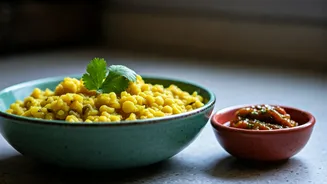
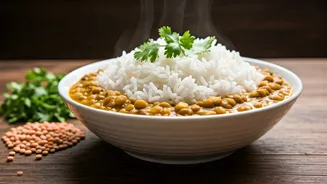
One of the most persistent myths about plant-based eating is the idea that plant proteins are 'incomplete' and therefore inferior. Proteins are made of amino acids, and the concern is that most plants don't contain all nine essential amino acids in one go. However, this is an outdated view. Firstly, some plants like quinoa, tofu, and edamame are complete proteins. Secondly, your body is smart enough to create a full amino acid profile from the variety of foods you eat throughout the day, not just in a single meal. The classic Indian combination of dal and rice, for instance, provides all the essential amino acids you need. As long as your diet is varied, you will get everything your body requires.
Stock Your Pantry for Success
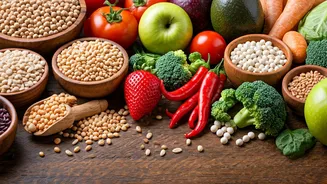
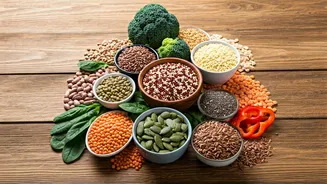
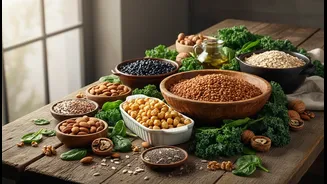
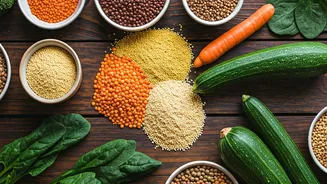
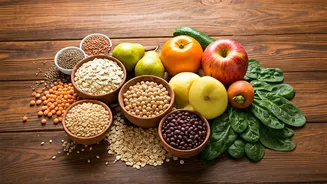
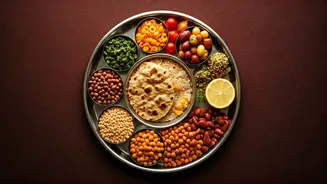
Adding more plant protein is simple when your kitchen is prepared. Many of India's highest-protein vegan foods are already staples. Lentils (dal), chickpeas (chana), and kidney beans (rajma) are the backbone of many meals. Beyond these, explore the versatility of soy. Soya chunks, also known as Nutrela, are a protein powerhouse, containing around 52 grams of protein per 100g (dry). Tofu is another fantastic, affordable option that absorbs the flavours of any curry or stir-fry. Don't forget nuts and seeds. Almonds, peanuts, and pumpkin seeds are great for snacking or sprinkling over dishes for an extra protein and nutrient boost.
Easy Swaps for a Protein-Packed Week
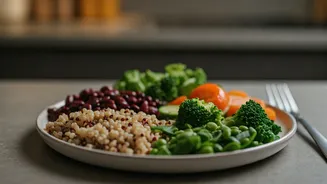
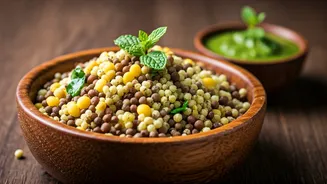
You don’t need a complete dietary overhaul. Start with small, manageable swaps that add up over time. Try a besan or moong dal chilla for breakfast instead of a simple toast. For lunch, upgrade your salad by adding a generous helping of boiled chickpeas or a handful of roasted peanuts. When making a vegetable curry for dinner, consider adding a cup of lentils or some cubed tofu to increase its protein content. Snacking on roasted makhana (fox nuts) or a small bowl of sprouts is a much better choice than reaching for processed snacks. Another easy trick is to make a protein-powered bowl meal by starting with a base of quinoa or brown rice and topping it with beans, roasted vegetables, and a flavourful sauce.
A Day of High-Protein Plant-Based Eating
What does this look like in practice? It's easier and more delicious than you might think. Start your day with a bowl of oatmeal topped with chia seeds and almonds. For lunch, a hearty rajma chawal or a quinoa bowl with spiced chickpeas and vegetables will keep you full and energised. For an afternoon snack, grab a handful of mixed nuts and seeds. Dinner could be a flavourful tofu and vegetable stir-fry or a curry made with soya chunks served with roti. This variety not only ensures you get a wide range of nutrients but also keeps your meals interesting and satisfying.