



What Exactly Is Sattu?
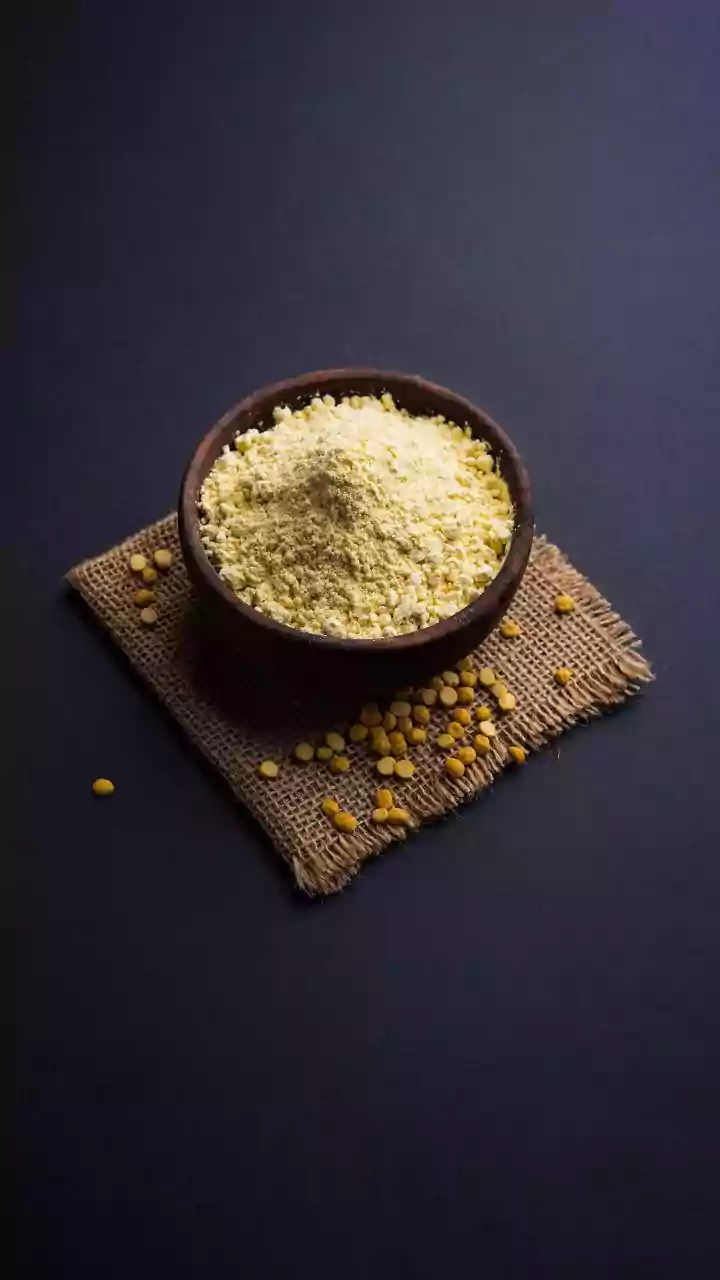
Sattu is a flour made from roasted grains, most commonly Bengal gram (chana). For centuries, it has been a staple in regions like Bihar, Punjab, and Uttar Pradesh, valued for its long shelf life, affordability, and incredible nutrient density. Traditionally
mixed with water, salt, and lemon to create a cooling sharbat, sattu was the original on-the-go fuel for farmers and labourers. The roasting process makes the nutrients in the gram more bioavailable, meaning the body can absorb and use them more easily. This ancient food is now being rediscovered by a new generation of health-conscious individuals who see it as a clean, natural alternative to processed supplements.
The Post-Workout Recovery Puzzle
To understand why sattu is so effective, it helps to know what your body needs after a workout. Exercise causes tiny tears in your muscle fibres and depletes your energy stores (glycogen). An ideal post-workout meal should deliver two key things: protein and carbohydrates. Protein provides the essential amino acids needed to repair and rebuild muscle tissue, making it stronger. Carbohydrates are crucial for replenishing the glycogen you've burned, which refuels your body and prepares it for the next session. The International Society of Sports Nutrition recommends consuming around 20-40 grams of high-quality protein after training to maximise this recovery process.
Sattu's Post-Workout Nutritional Edge
This is where sattu shines. A 100-gram serving packs around 20-25 grams of plant-based protein, hitting the sweet spot for muscle repair. It's also rich in complex carbohydrates (about 60-65 grams), which provide a sustained energy release to restore glycogen levels without causing a sugar crash. Unlike some isolated protein powders, sattu is a whole food, meaning it also delivers a wealth of other nutrients. It's exceptionally high in dietary fibre, which aids digestion, and is loaded with essential minerals like iron, magnesium, and calcium. These minerals are vital for everything from oxygen transport in the blood to muscle function and bone health.
Why a Smoothie Bowl is the Perfect Delivery System
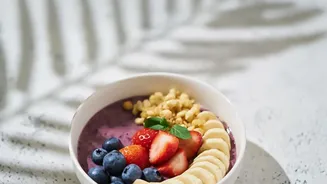
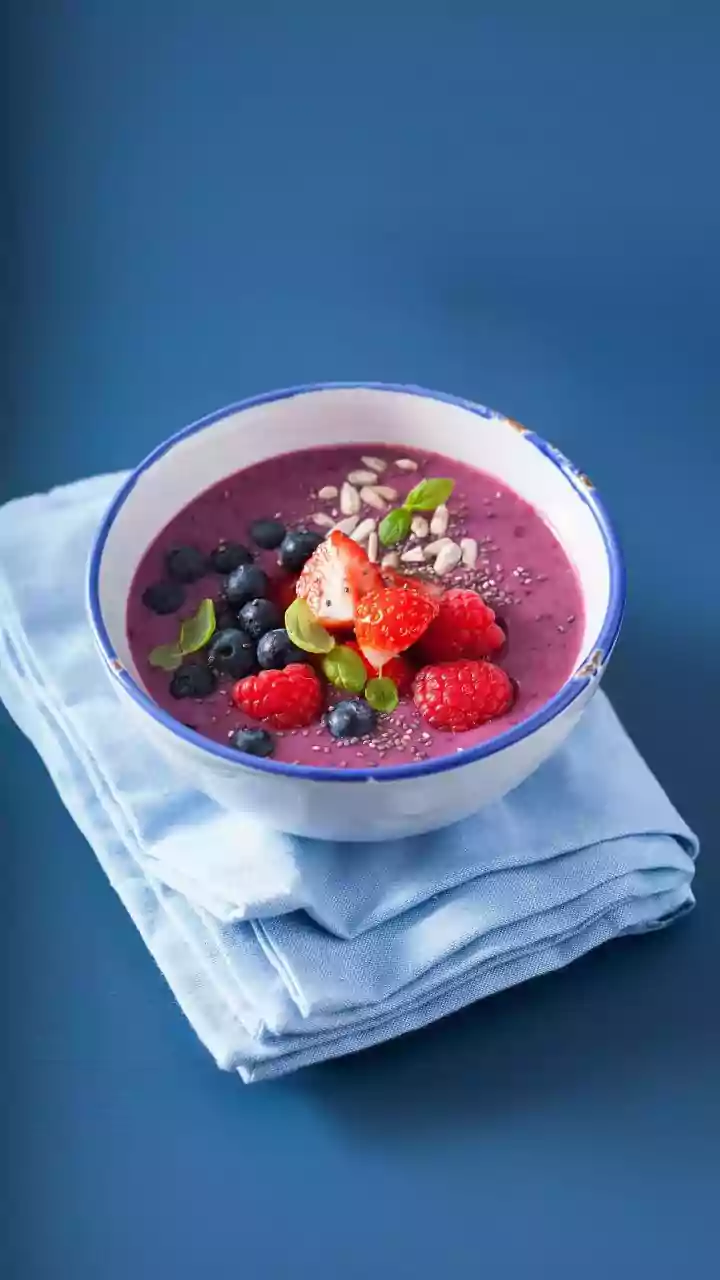
While a traditional sattu drink is effective, turning it into a smoothie bowl elevates its post-workout potential. Blending sattu makes it easy to digest and absorb quickly. More importantly, a bowl format allows you to add other powerful ingredients to create a truly well-rounded meal. Adding fruit like a banana contributes simple carbohydrates for a quick energy boost, while a scoop of curd or a splash of milk can add creaminess and even more protein. Toppings like nuts and seeds introduce healthy fats and extra texture, creating a meal that is both nutritionally complete and satisfying to eat after a tough gym session.
How to Build Your Ultimate Sattu Smoothie Bowl
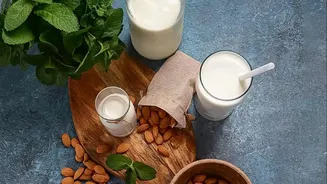
Creating your own post-workout sattu bowl is simple and highly customisable. Start with a solid base and then add extras based on your preferences and nutritional goals. The Base: In a blender, combine 3-4 tablespoons of sattu flour, half a banana, and about 200ml of liquid. You can use milk, almond milk, or even plain curd or water. The Boosters: Add a spoonful of peanut butter for healthy fats and flavour, a few dates for natural sweetness, or a dash of cinnamon. You can also include a scoop of rolled oats to increase the complex carb content. The Toppings: Pour your thick smoothie into a bowl. Now, add your toppings. Soaked chia seeds, pomegranate seeds, chopped nuts like almonds, or a sprinkle of pumpkin seeds are all excellent choices that add texture, fibre, and micronutrients. Serve it cold for a refreshing and restorative meal.