




Why Low-Impact Is the Smart Start
Starting a fitness journey can feel like a choice between doing too much or doing nothing at all. Low-impact strength training offers a rewarding middle path. These exercises minimise forceful, jarring movements, making them gentler on your joints. This
approach is ideal for beginners, as it significantly reduces the risk of injury that can happen when you lift too heavy or use improper form too soon. It allows you to focus on learning the correct movements and building a solid foundation. The goal is to challenge your muscles with control and consistency, not to pound your joints. This method builds not just muscle, but also the confidence you need to stick with a routine long-term.
Focus on Form, Not Intensity
One of the most common mistakes beginners make is 'ego lifting'—choosing weights that are too heavy in an attempt to get faster results. This often leads to poor form, which is both ineffective and a direct path to injury. When starting, the focus should always be on mastering the movement. Slow, controlled repetitions are more beneficial than rushing through a set with sloppy technique. Learn what it feels like to engage the correct muscles. It's better to perform an exercise perfectly with just your body weight than to struggle incorrectly with a heavy dumbbell. This mind-body connection is crucial for building real, functional strength.
Your First Foundational Exercises
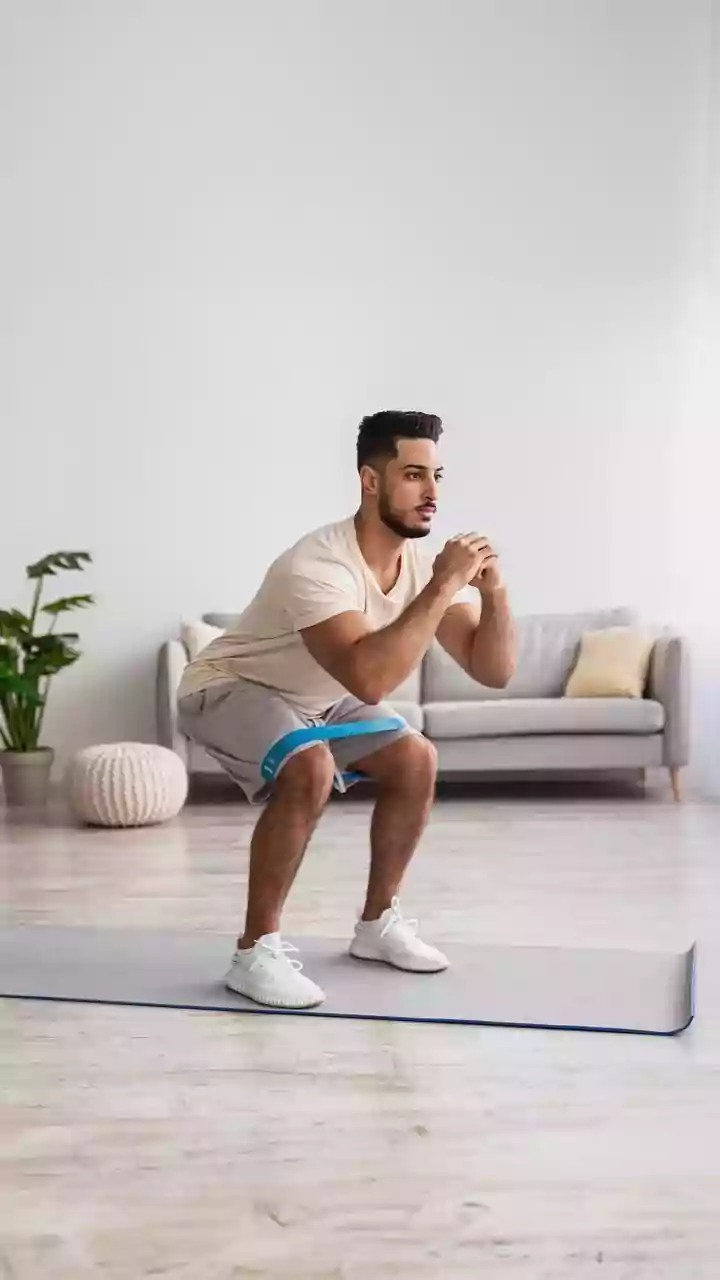
These exercises form the building blocks of a full-body routine. They are easy to modify and perfect for learning foundational movement patterns. Aim for 2-3 sets of 10-12 repetitions, focusing on control. Chair Squats: This move teaches the proper squat pattern safely. Stand in front of a sturdy chair with your feet shoulder-width apart. Hinge at your hips and lower your body until you lightly tap the chair, then stand back up. Keep your chest up and knees tracking over your feet. Wall Push-Ups: A great way to build upper body strength without the difficulty of a floor push-up. Stand facing a wall, a bit more than arm's length away. Place your palms on the wall, slightly wider than your shoulders. Lean in, bending your elbows to lower your chest toward the wall, and then push back to the start. Glute Bridges: This move targets the glutes and hamstrings, which are key for posture and power. Lie on your back with your knees bent and feet flat on the floor. Lift your hips toward the ceiling until your body forms a straight line from your shoulders to your knees. Squeeze your glutes at the top, then lower back down. Resistance Band Rows: Essential for back strength and posture. Sit on the floor with your legs extended, looping a resistance band around your feet. Holding the ends of the band, pull back toward your torso, squeezing your shoulder blades together.
How to Make Exercises Easier or Harder
Adaptation is the key to progress. Almost any exercise can be modified to fit your current fitness level. If a movement feels too difficult, you can make it easier by reducing the range of motion, using support, or lowering the resistance. For example, if a full squat is too much, start with a chair squat. If a push-up is impossible, do it on your knees or against a wall. Conversely, when an exercise becomes too easy to complete with good form, it’s time to progress. You can make it harder by adding light weights, increasing the number of repetitions, or moving to a more challenging variation of the exercise, like progressing from a wall push-up to a knee push-up.
Putting It All Together
Consistency is more important than intensity, especially at the beginning. Don't feel pressured to work out every day. Aim for 2-3 low-impact strength sessions per week, allowing your body at least one day of rest in between to recover and rebuild. A simple full-body workout could include three sets of chair squats, wall push-ups, glute bridges, and resistance band rows. As you get stronger, you can gradually add more exercises or increase the challenge. Most importantly, listen to your body. Muscle soreness is normal, but sharp pain is a sign to stop and reassess.