

Meet the 'Sayonara Tax'
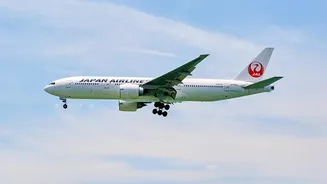
It's officially called the International Tourist Tax, but it's more commonly known by its catchy nickname, the "Sayonara Tax." Introduced in 2019, this government levy is charged to nearly everyone, including tourists and Japanese nationals, as they depart
the country by air or sea. Think of it not as a surprise fee, but as a small, mandatory contribution that's part of the travel process. Its purpose is to help fund the continuous improvement of Japan's tourism facilities and services, ensuring the country remains a world-class destination.
The Cost and How It's Collected
As of July 1, 2026, the International Tourist Tax is a flat fee of 3,000 yen per person. This was a significant increase from the original 1,000 yen, a change made to better fund infrastructure projects and manage the effects of overtourism. The beauty of this system is its seamlessness. You won't be asked to line up at a special counter or pay anyone before boarding your flight. The tax is automatically bundled into the price of your plane or cruise ticket at the time of purchase. It's listed in the fare breakdown, but it's easy to miss among the other fees and surcharges, which is why it often goes unnoticed.
Who Pays and Who Is Exempt?
The rule is simple: if you're leaving Japan on an international flight or ship, you are subject to the tax. However, there are a few specific exemptions. The tax is not levied on children under the age of two, which is welcome news for families travelling with infants. Additionally, transit passengers who depart Japan within 24 hours of their arrival are also exempt, provided they don't officially enter the country. Other exemptions apply to aircraft crew members and individuals leaving Japan under special circumstances, such as due to bad weather or for diplomatic purposes.
Where Does Your Money Go?
This isn't just another tax for the sake of it. The revenue generated, expected to be around 120 billion yen annually, is directly reinvested into enhancing the visitor experience across the country. The funds are used for a variety of important projects, including upgrading infrastructure at airports and seaports—like adding more facial recognition gates to speed up immigration processes. Money also goes toward promoting travel to less-crowded rural regions to ease pressure on popular cities like Tokyo and Kyoto. Furthermore, it helps maintain cultural assets and combat the negative impacts of overtourism, ensuring that Japan's beauty and heritage are preserved for future generations of travellers to enjoy.