



The Constant Threat to Nashik’s Vineyards
For the thousands of small-scale farmers in the Nashik district of Maharashtra, grapes are more than just a fruit; they are a livelihood. This region, often called the 'Grape Capital of India', is responsible for a significant portion of the country's
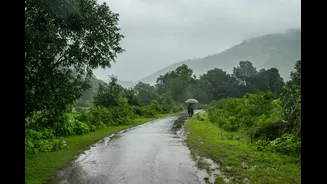
table grape production and exports. However, this valuable crop is highly vulnerable. Fungal diseases like downy mildew and powdery mildew are particularly devastating, thriving in the warm, humid conditions that can prevail. An outbreak can spread rapidly, potentially wiping out 20-40% of a farmer's crop and leading to severe economic losses. Traditional methods of disease detection rely on manual scouting, a time-consuming and often inaccurate process where farmers walk through acres of vines, trying to spot the first subtle signs of infection with the naked eye. By the time symptoms are obvious, it is often too late to prevent significant damage.
An Eye in the Sky: How the Drones Work
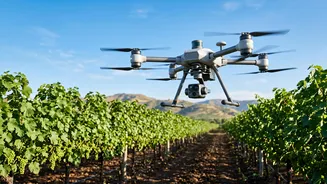
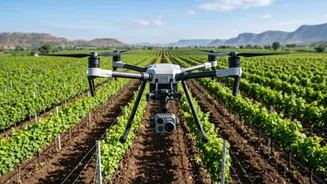
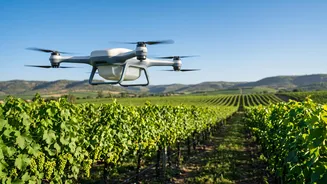
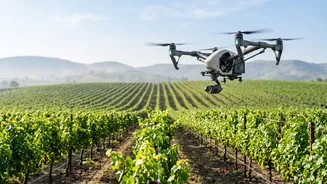
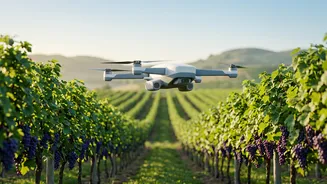
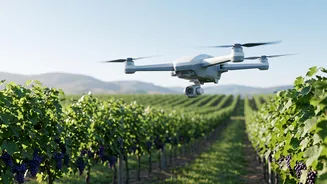
The new approach brings high technology to these traditional farms. Unmanned aerial vehicles (UAVs), or drones, equipped with high-resolution and multispectral cameras fly over the vineyards in automated patterns. These cameras capture detailed images of the grapevines, not just in the visible light spectrum but also in bands of light that the human eye cannot see. This provides a comprehensive bird's-eye view of the crop's health, covering vast areas far more quickly and thoroughly than any person could on foot. A task that might take a person hours or even days is completed by a drone in minutes, allowing for consistent and frequent monitoring of the entire vineyard.
The AI Brain Behind the Operation
The magic, however, is not just in the drone but in the artificial intelligence that processes the images. The captured data is fed into a sophisticated AI model, often using a type of algorithm called a Convolutional Neural Network (CNN). This AI has been 'trained' on thousands of images of grape leaves and bunches, learning to distinguish between healthy plants and those showing the earliest signs of disease. It can identify tell-tale patterns, such as subtle changes in leaf colour, texture, or temperature, that indicate stress from a fungal infection long before a farmer would notice. The system can pinpoint the exact locations of affected plants, essentially creating a health map of the entire vineyard.
From Early Detection to Precision Action
This early warning system transforms how farmers manage their crops. Instead of engaging in preventative, broad-scale spraying of fungicides across the entire vineyard—a costly and environmentally impactful practice—farmers can now adopt a 'precision agriculture' approach. The AI-generated health map allows them to target only the specific, affected areas with treatment. This not only saves a significant amount of money on chemicals but also reduces the overall chemical load on the crops and in the environment. By catching the disease early, interventions are more effective, leading to higher yields, better quality fruit, and improved economic stability for the farmers. Some drone systems can even be used for the targeted spraying themselves, further increasing efficiency.
Hurdles to Widespread Adoption
Despite the clear benefits, the path to widespread adoption has its challenges. The initial investment for a high-quality agricultural drone can be substantial, ranging from a few lakhs to over ten lakh rupees, which is a significant barrier for many small-scale farmers. To overcome this, a service-based model is emerging, where farmers can hire drone services on a per-acre basis, making the technology more accessible without the heavy capital outlay. Another hurdle is the need for training to operate the drones and interpret the data effectively. However, government initiatives and subsidies, such as the 'Namo Drone Didi' scheme, are being introduced to promote rural entrepreneurship and provide financial support for farmers and collectives to purchase and learn how to use this transformative technology.