



Meet the New Stars of the Pantry
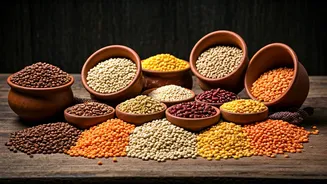
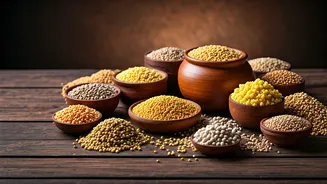
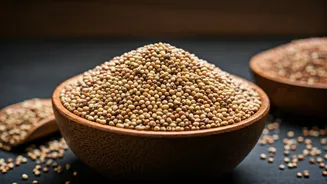
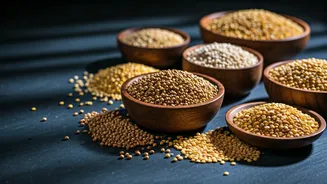
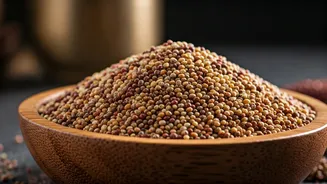
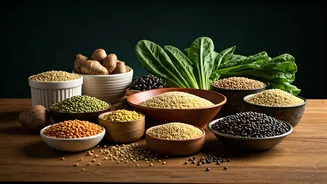
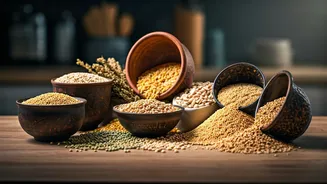
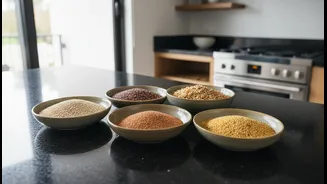
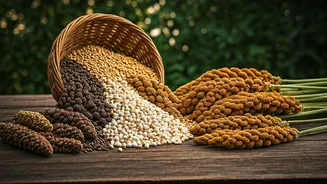
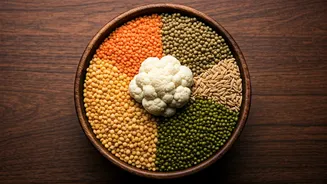
Step into a high-end grocery store in any major Indian city, and you'll see them: glossy packages of quinoa, jet-black forbidden rice, protein-rich amaranth, and a colourful array of millets like ragi and jowar. These aren't just new products; they represent
a significant shift in urban food culture. What were once either foreign imports or 'forgotten' local staples are now being repositioned as premium, desirable and, crucially, healthy alternatives to traditional grains. While basmati rice has long held a 'luxury' status for special occasions, this new trend is about everyday wellness and lifestyle choices.
The Driving Force: Health and Wellness
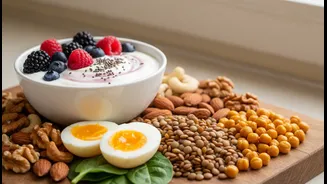
The primary driver behind this trend is a surge in health consciousness across urban India. Consumers are increasingly aware of the links between diet and lifestyle diseases like diabetes and obesity. Many of these 'new' grains fit perfectly into modern wellness narratives. Quinoa and amaranth are celebrated as complete proteins, millets like bajra and ragi are lauded for being gluten-free and rich in micronutrients like iron and calcium, and traditional rice varieties like black and red rice are packed with antioxidants. This aligns with a broader demand for functional foods—products that offer health benefits beyond basic nutrition. As consumers become more proactive about their health, they are willing to invest in foods that promise better nutritional outcomes.
A Status Symbol on Your Plate
In an era of rising disposable incomes and global exposure, what we eat has become a powerful signifier of social status and personal identity. Much like carrying a designer handbag, serving a bowl of quinoa salad or black rice kheer can be a statement. It signals that you are modern, health-conscious, and globally aware. Social media influencers and celebrity chefs have played a huge role in popularising these grains, turning them from niche health-food-store items into aspirational lifestyle products. The 'experiential luxury' trend, which values experiences and wellness over mere possessions, also fuels this movement.
A Return to Roots, Reimagined
Interestingly, many of these 'new' luxury grains are not new at all. Millets such as jowar, bajra, and ragi were staples in Indian diets for centuries before the Green Revolution prioritised the mass cultivation of wheat and rice. That shift pushed millets to the margins, often branding them as 'poor man's food'. Today's revival is a fascinating blend of tradition and modernity. It's a rediscovery of India’s own rich agricultural biodiversity, now repackaged for a contemporary urban audience. This movement is not just about importing Western food trends; it’s also about reclaiming and celebrating indigenous crops that are naturally resilient and suited to the Indian climate.
The Question of Cost
This new status, of course, comes at a price. Luxury grains can be significantly more expensive than their conventional counterparts. A kilogram of quinoa can cost several times more than a kilogram of standard rice. Similarly, even traditional millets, once incredibly cheap, now command higher prices in urban markets as their demand grows. For many, the high cost is a significant barrier to entry, making this trend largely an urban, upper-middle-class phenomenon. The price difference reflects not just the nutritional profile but also sophisticated branding, packaging, and the creation of a new market where grains are sold not just as food, but as a wellness solution.