







A Paradise Under Pressure
With its turquoise lagoons and sun-kissed beaches, Lakshadweep has long been a dream destination. Recently, interest in the archipelago has surged, fueled by easier entry permit rules implemented in 2026 that removed some bureaucratic hurdles for Indian
tourists. This increased accessibility is part of a broader vision to develop the islands into a high-end tourism hub. However, this vision comes with immense responsibility. The islands' ecosystem is incredibly fragile, built upon a foundation of living coral reefs that are vulnerable to climate change and human impact. Recognizing this, the administration has doubled down on a strategy of sustainable and responsible tourism, ensuring that development does not come at the cost of environmental degradation. The new protocols are not just rules; they are a blueprint for a future where economic growth and ecological preservation coexist in harmony.
Guarding the Marine Kingdom
The heart of Lakshadweep's allure is its vibrant marine life. The new protocols place a heavy emphasis on its protection. For tourists, this means that activities like scuba diving and snorkeling are strictly regulated, often requiring certified guides to ensure the safety of both the visitor and the ecosystem. Picking corals or shells, whether living or dead, is a punishable offense, a strict rule designed to leave the underwater landscape untouched. These conservation efforts extend beyond tourist activities. The administration actively works to protect endangered species like green and hawksbill turtles that nest on the islands. Community-managed conservation reserves are being established, involving local residents directly in the protection of their ancestral waters. This multi-pronged approach ensures that the marine kingdom, the very foundation of the islands' existence, is fiercely guarded against threats.
Tackling the Tide of Waste
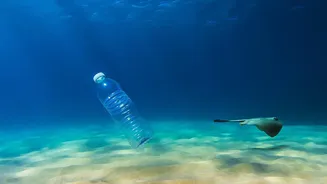
A paradise can quickly be lost under a tide of rubbish, a lesson Lakshadweep is taking to heart. A cornerstone of its environmental policy is a complete ban on single-use plastics across the islands. Visitors are actively encouraged to carry reusable bottles and minimize the waste they bring. This policy is more than just a guideline; it's a fundamental shift in how tourism is managed. The focus is on preventing waste at the source. For larger developments, the rules are even stricter. The National Green Tribunal (NGT) has mandated that all tourism projects, including new eco-friendly resorts and tent cities, must have comprehensive waste management systems for sewage and solid waste. These facilities are subject to regular audits to ensure compliance, reflecting a zero-tolerance approach to pollution in this sensitive environment.
Reef Safety for Responsible Visitors
The coral reefs are not just beautiful; they are a natural barrier protecting the islands from the sea. The sustainable travel protocols are designed to make every visitor a partner in their preservation. Reef-safe practices are now an integral part of the tourist experience. This includes mandatory briefings on responsible behaviour before any water-based activities. Guidelines for scuba diving centres prioritize environmental standards and safety, ensuring that all operations are low-impact. The core message is simple: look, but don't touch. Tourists are taught the importance of maintaining a safe distance from coral formations and marine life. By integrating education with recreation, Lakshadweep aims to foster a generation of travellers who are not just visitors, but advocates for conservation. This ensures the reefs remain vibrant and healthy for future adventurers.