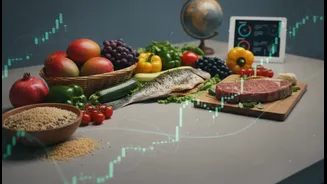








More Than Just Market Fluctuations
For years, the conversation around rising food prices in India has centred on factors like fuel costs, government policy, and seasonal demand. While these are still relevant, a more persistent and disruptive factor is making its presence felt: climate
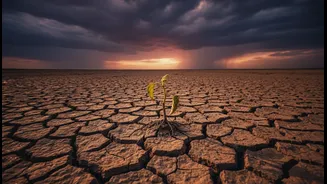
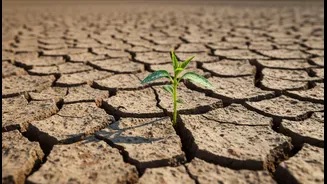
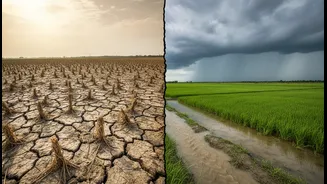
shocks. According to the Reserve Bank of India, extreme weather events like heatwaves, unseasonal rains, and erratic monsoons are no longer temporary disruptions but are becoming a primary driver of food inflation. What used to be considered a rare, one-off event is now a recurring feature of our agricultural cycle, creating constant pressure on supply chains and, ultimately, on the prices consumers pay.
The Unstable Journey From Farm to Table
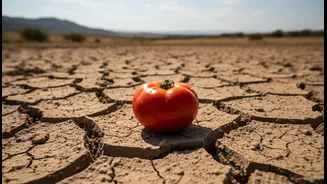
Consider the staples of an Indian kitchen: tomatoes, onions, and potatoes (TOP). Their prices are notoriously volatile, and climate change is making it worse. A sudden heatwave during a critical growth stage can stunt wheat crops, as seen in recent years, threatening the supply of a national staple. Unseasonal heavy rains or hailstorms can flatten entire fields of ready-to-harvest vegetables in states like Maharashtra and Karnataka, causing immediate supply shortages that ripple across the country. Excessive rainfall can damage oilseed crops, while deficient monsoons impact the output of rice, cereals, and pulses. These climate-induced losses mean farmers have less to sell, and the produce that does make it to market carries a higher price tag.
A Global Ripple Effect
The issue isn't confined to India's borders. Our food system is globally interconnected. A drought in a major palm oil-producing nation in Southeast Asia or a heatwave impacting wheat production in Europe can have a direct effect on the price of cooking oils and imported grains here at home. Climate change is creating simultaneous crises in multiple food-producing regions, disrupting the global supply network that usually provides a buffer. When extreme weather hits multiple breadbaskets at once, the shock to food prices is amplified, leaving consumers with fewer affordable alternatives. This global dimension means that even if India has a relatively stable season for a particular crop, international market volatility can still drive up domestic prices.
The New Reality for Household Budgets
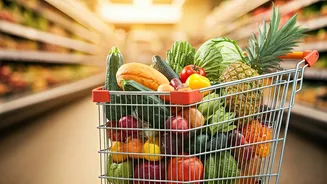
The result of this persistent disruption is that "grocery anxiety" has become a rational response to an unstable new reality. Food and beverages constitute a significant portion of the average Indian household's expenses, making them highly sensitive to price volatility. The increasing frequency of extreme weather events suggests that sharp spikes in food prices are not a temporary problem but a structural feature of our new climate reality. This makes financial planning difficult for families and disproportionately hurts lower-income households, who spend a larger percentage of their income on food. The unpredictability means that a household's food budget can be upended overnight by a storm or heatwave hundreds of kilometres away.