






The Simple Science of Shine and Shadow
The core reason matte fabrics are more forgiving comes down to a basic principle: how they interact with light. Shiny surfaces, like those on satin, act like a mirror. They have a smooth, flat structure that reflects light directly and uniformly. This
specular reflection creates sharp highlights and deep shadows, which means every single fold, wrinkle, and imperfection is put on full display. Think of a glossy photograph versus one with a matte finish; the glossy one shows every fingerprint and bend, while the matte one is far more forgiving. In the same way, a satin cushion cover will catch the light at every angle, making everyday creases look pronounced and intentional.
Satin's Appeal and Its Achilles' Heel
Satin is defined by its specific weave, which uses long, floating yarns to create that signature lustrous surface. This structure gives it a beautiful, elegant drape and a luxurious, smooth feel that is perfect for special occasion items or decorative pieces that don't see heavy use. However, this same weave makes it susceptible to showing wear. The smooth, uninterrupted surface offers no camouflage for the inevitable wrinkles that come from simply sitting on a sofa or sleeping in a bed. While some sources claim satin is wrinkle-resistant, this often applies to thicker, heavier variants; the lighter satins used in home décor can crease easily, and those creases are highly visible due to the fabric's sheen.
The Forgiving Nature of Matte Weaves
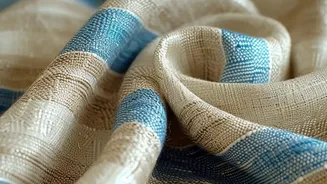
Matte woven fabrics, such as cotton, linen, and many durable synthetic blends like microfiber, have a completely different structure. Their surfaces are textured and non-reflective, causing them to absorb and scatter light in many directions—a phenomenon known as diffuse reflection. This scattering effect softens shadows and prevents harsh highlights. Instead of accentuating creases, the fabric’s inherent texture helps to mask them. A slub in a linen cushion or the gentle texture of brushed cotton creates a visual landscape where a small wrinkle simply blends in. These fabrics are praised for their ability to conceal imperfections, making them a practical choice for high-traffic areas.
Choosing the Right Fabric for Your Space
The choice between matte and shiny fabrics isn't about one being universally better, but about choosing the right tool for the job. For daily-use items that face a lot of wear—sofa upholstery, everyday bedsheets, and family room cushions—matte, textured fabrics are the undisputed champions of low maintenance. Materials like performance polyester, microfiber, canvas, and tightly woven cotton blends are designed for durability and hide everyday life beautifully. Reserve shiny satin for accents that bring a touch of glamour without the demanding upkeep. Think a single decorative pillow on a bed, the trim on a curtain, or items for a guest room that is used less frequently.
Beyond Wrinkles: Other Factors to Consider
While hiding creases is a major benefit, it's not the only thing to think about. Breathability is a key differentiator, especially for bedding. Natural fibres like cotton are highly breathable and absorb moisture, making them ideal for a comfortable night's sleep, particularly in warmer climates like India. Polyester satin, on the other hand, tends to trap heat and doesn't absorb moisture well. Durability is another point. While satin's long floats can be prone to snagging, many tightly woven cottons and linens are incredibly robust. Ultimately, the best choice balances aesthetic desire with practical needs.