

Tired of the city's relentless pace? A refreshing escape awaits on the open roads of Maharashtra. This practical guide charts a course to the expansive backwaters of Ujani Dam, a perfect weekend road trip for seekers of serenity and natural beauty.
The Journey from Pune
The
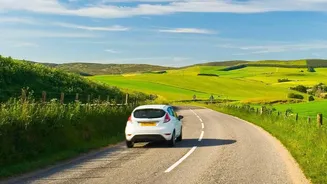
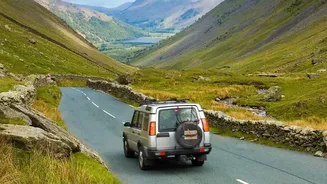
road trip to Ujani Dam is an accessible adventure, especially for those starting from Pune. The dam's backwaters are located near the town of Bhigwan, roughly 105-110 kilometres away. The drive itself is a significant part of the experience, taking approximately two to three hours via the smooth Pune-Solapur Highway (NH-65). This well-maintained route makes for a pleasant journey by car or bike, allowing you to watch the urban landscape gradually give way to rural farmlands and open skies. While state transport buses are available, having your own vehicle offers the flexibility to explore the smaller villages and birdwatching points around the reservoir at your own pace. Plan to leave early in the morning to avoid city traffic and to arrive at the destination in time for the best light and bird activity.
Ujani Dam: An Inland Sea
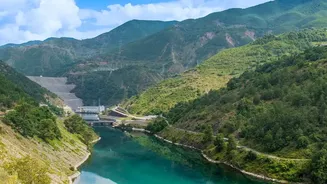
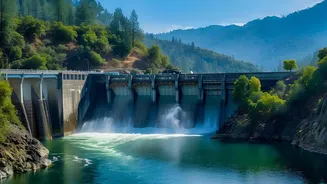
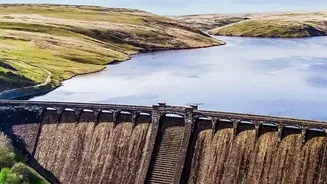
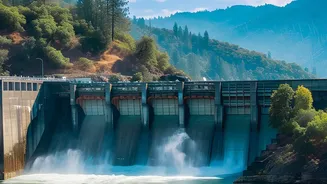
The Ujani Dam, built on the Bhima River, is one of the largest in the region, creating a massive reservoir known as Yashwant Sagar. This vast, human-made wetland has transformed the area into a thriving ecosystem. The sheer scale of the backwaters is breathtaking, often feeling more like an inland sea than a lake. While the dam itself is an impressive feat of engineering, its primary draw for travellers is the serene environment it fosters. The landscape around the dam is a mix of shallow waters, grasslands, and agricultural fields, offering a peaceful respite and a dramatic change of scenery from city life. Interestingly, the creation of the dam also submerged several old villages and temples, and there has been discussion about developing underwater tourism to explore this hidden heritage.
Bhigwan: A Paradise for Birdwatchers
The main attraction for most visitors is the Bhigwan Bird Sanctuary, often called the 'Bharatpur of Maharashtra'. This area is a hotspot for migratory birds, especially during the winter months from December to March. The star attractions are the magnificent Greater Flamingos, which arrive in large flocks, creating a stunning pink-and-white spectacle against the blue waters. But the biodiversity doesn't stop there. Over 230 species of birds have been spotted here, including painted storks, bar-headed geese, herons, egrets, and various ducks and waders. To get the best sightings, you'll need to head to local points like Kumbhargaon or Diksal, where fishermen offer boat tours. An early morning boat safari is highly recommended for the best light and highest bird activity.
On-the-Water Activities
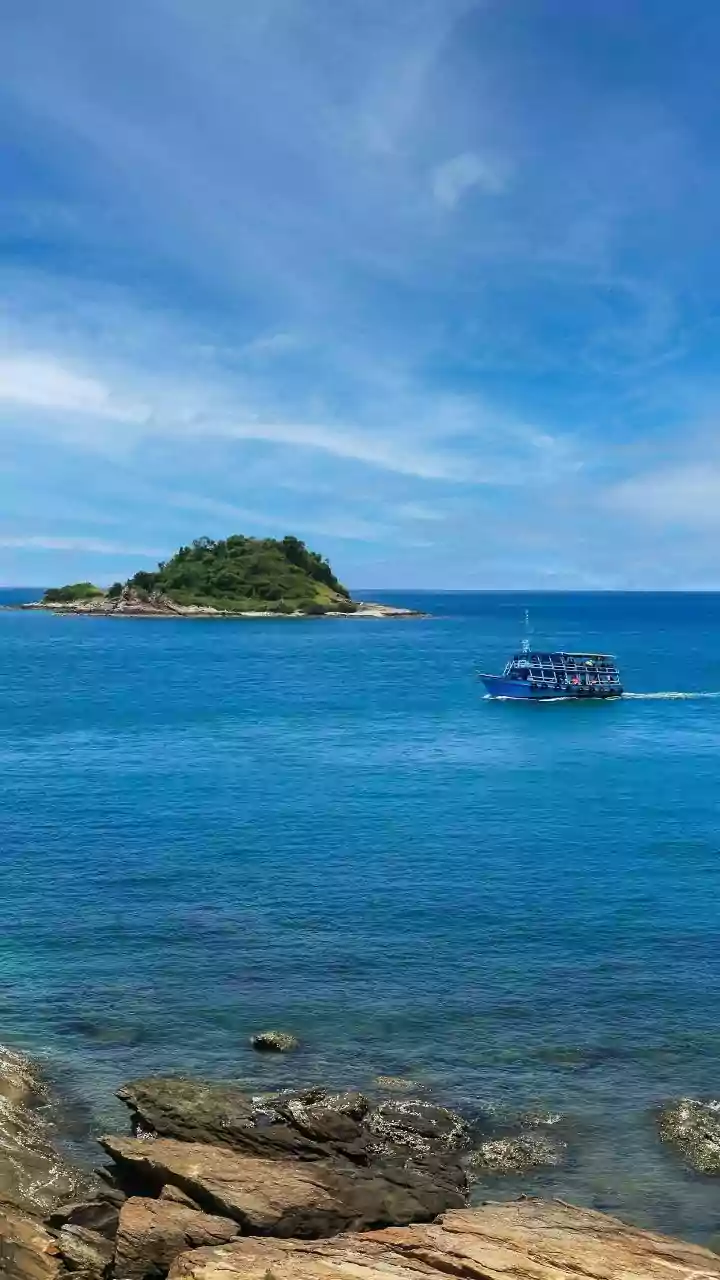
The best way to experience the Ujani backwaters is by getting on the water. Local fishermen in villages like Kumbhargaon operate boats and act as knowledgeable guides. A typical boat safari lasts between one and a half to three hours and allows you to get remarkably close to the birds in their natural habitat. The boatmen are skilled at navigating the shallow waters and positioning the boat for excellent photographic opportunities without disturbing the wildlife. Apart from birdwatching, the boat ride itself is a peaceful experience, offering stunning views of the sunrise or sunset over the expansive water. It's a chance to witness local life as well, as you'll pass by fishermen checking their nets.
Practical Tips for Your Dam-Side Trip
To make the most of your trip, timing is everything. The best season for birdwatching, especially for flamingos, is from November to March. For the best experience, aim to reach Bhigwan by sunrise, as the birds are most active in the early morning. Weekdays are generally less crowded than weekends. Essential items to carry include binoculars, a camera with a good zoom lens, a hat, sunscreen, and drinking water. While there are some restaurants along the highway, the area around the dam itself has limited options, though some homestays offer simple, local meals, famously including fresh fish. Accommodation is mostly in the form of basic homestays run by villagers, which can also help arrange boat safaris.