

The Unsung Hero of Nutrition Steps Up
For years, fibre was the quiet, background player in the nutrition world, often just called 'roughage' and associated mainly with preventing constipation. But that perception is undergoing a major shift across India. Driven by rising health awareness,
a surge in lifestyle diseases like diabetes, and the influence of wellness culture, fibre is being rebranded as a crucial component of a modern, healthy diet. The conversation is no longer just about regular bowel movements; it's about holistic health—managing blood sugar, lowering cholesterol, maintaining a healthy weight, and nurturing a thriving gut microbiome. This growing recognition is fuelling a significant market for functional and high-fibre foods, from breakfast cereals to snacks.
What Exactly Is Dietary Fibre?
Dietary fibre is a type of carbohydrate found in plant-based foods like fruits, vegetables, grains, and legumes that the body cannot digest or absorb. It passes relatively intact through your system, which is precisely why it’s so beneficial. There are two main types. Soluble fibre dissolves in water to form a gel-like substance. Found in oats, beans, apples, and carrots, it helps lower blood cholesterol and glucose levels. Insoluble fibre does not dissolve in water. It adds bulk to the stool and is found in foods like whole-wheat flour, nuts, and vegetables such as cauliflower and green beans, promoting digestive regularity. A diet rich in both types is essential for overall health.
A Return to Traditional Wisdom
The irony of the current fibre trend is that traditional Indian diets have always been naturally rich in it. Meals centred around millets like jowar, bajra, and ragi, along with whole grains, a variety of dals (lentils), and seasonal vegetables provided ample fibre. However, with urbanization and the rise of convenience foods, there has been a significant shift toward refined grains like polished white rice and maida (refined flour), which are low in fibre. This dietary transition has been linked to an increase in health issues. The current focus on fibre is, in many ways, a modern return to ancestral eating habits, recognizing the wisdom embedded in traditional Indian food culture.
The Modern Fibre Fix
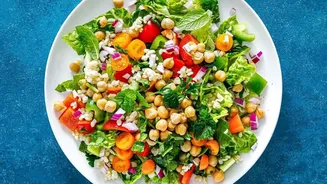
Today’s fibre craze is visible everywhere. Supermarket aisles are now stocked with high-fibre breakfast cereals, multigrain breads, and fortified snacks. Food manufacturers are actively developing and marketing products that cater to this health-conscious consumer base. The trend is also thriving online, where health influencers and nutritionists share fibre-rich recipes and tips. Menus in health-focused cafes and restaurants feature items like millet dosas, quinoa upma, and hearty salads, making it easier for consumers to make fibre-friendly choices even when eating out. This reflects a broader shift where consumers are actively seeking foods that provide functional benefits beyond basic nutrition.
More Than Just Digestion
The health benefits of a high-fibre diet are extensive and well-documented. By slowing the absorption of sugar, it plays a critical role in managing and preventing type 2 diabetes—a major health concern in India. It can also help lower 'bad' LDL cholesterol levels, reducing the risk of heart disease. Because high-fibre foods are more filling, they can aid in weight management by promoting a feeling of satiety and preventing overeating. Furthermore, fibre acts as a prebiotic, feeding the beneficial bacteria in your gut. A healthy gut microbiome is linked to improved immunity, reduced inflammation, and even better mental health.
Simple Swaps for a Fibre-Rich Diet
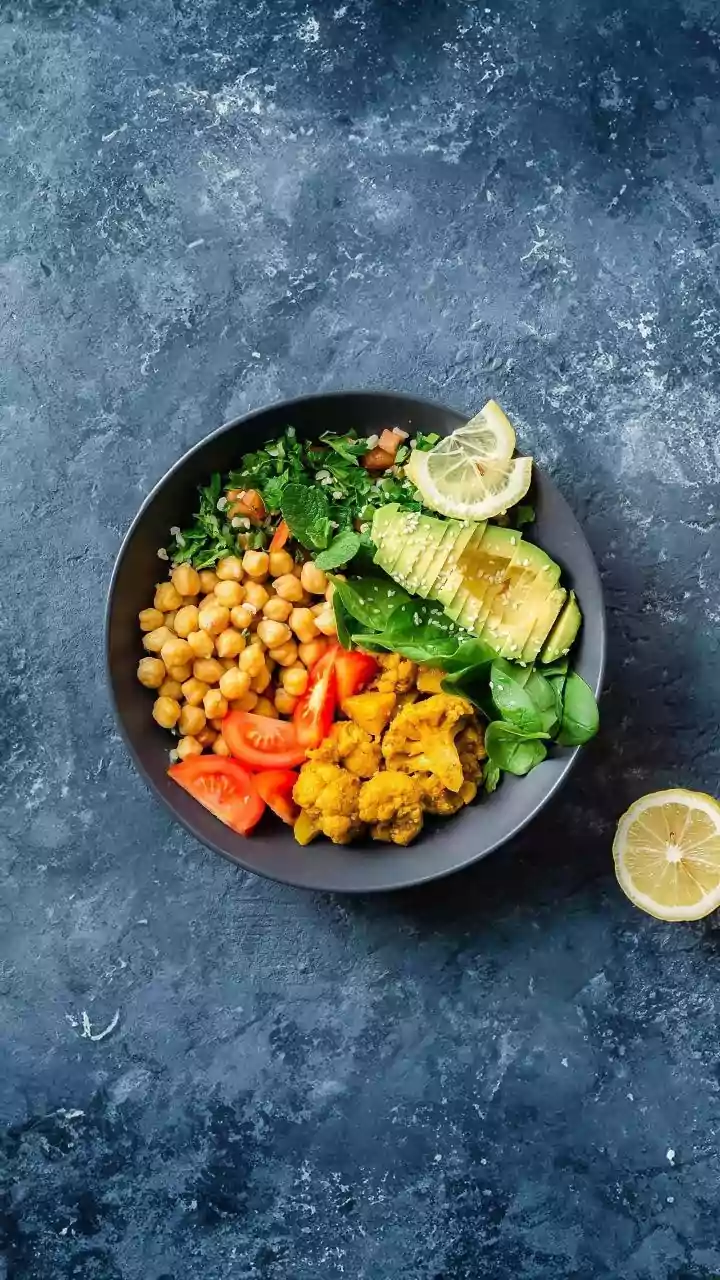
Increasing your fibre intake doesn't require a complete dietary overhaul. Small, consistent changes can make a big difference. Start by swapping white rice for brown rice or millets in some of your meals. Choose whole wheat atta for your rotis. Make sure to include a generous portion of vegetables in every lunch and dinner. Incorporate a variety of dals and legumes like chickpeas (chana) and kidney beans (rajma) into your weekly menu. Snack on whole fruits like guava and apples (with the skin on) instead of drinking juice, and consider adding a handful of nuts and seeds to your daily routine.