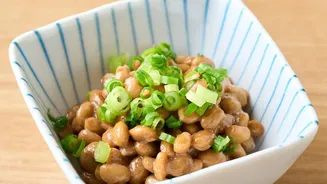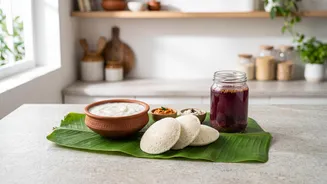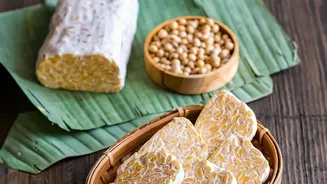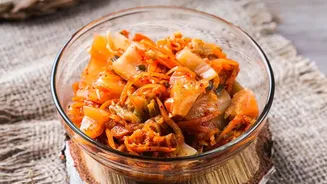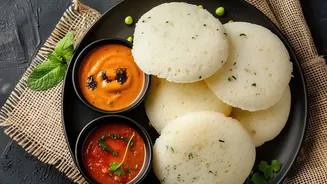

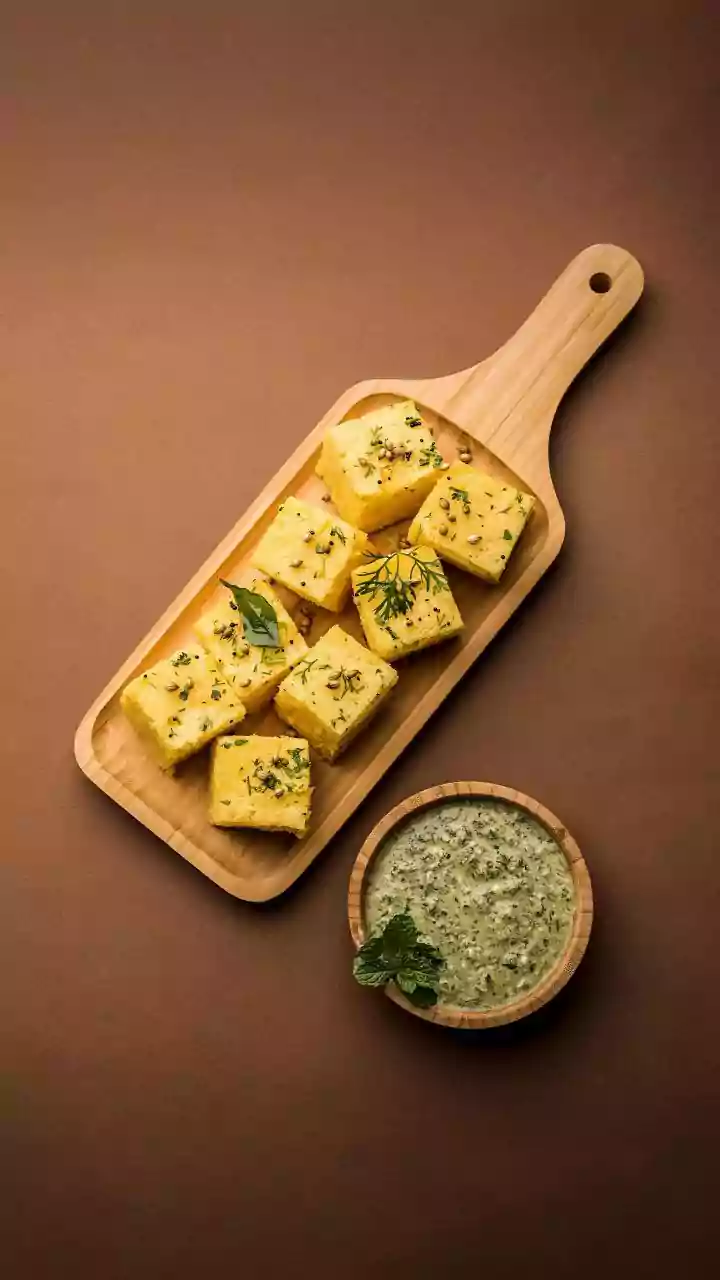
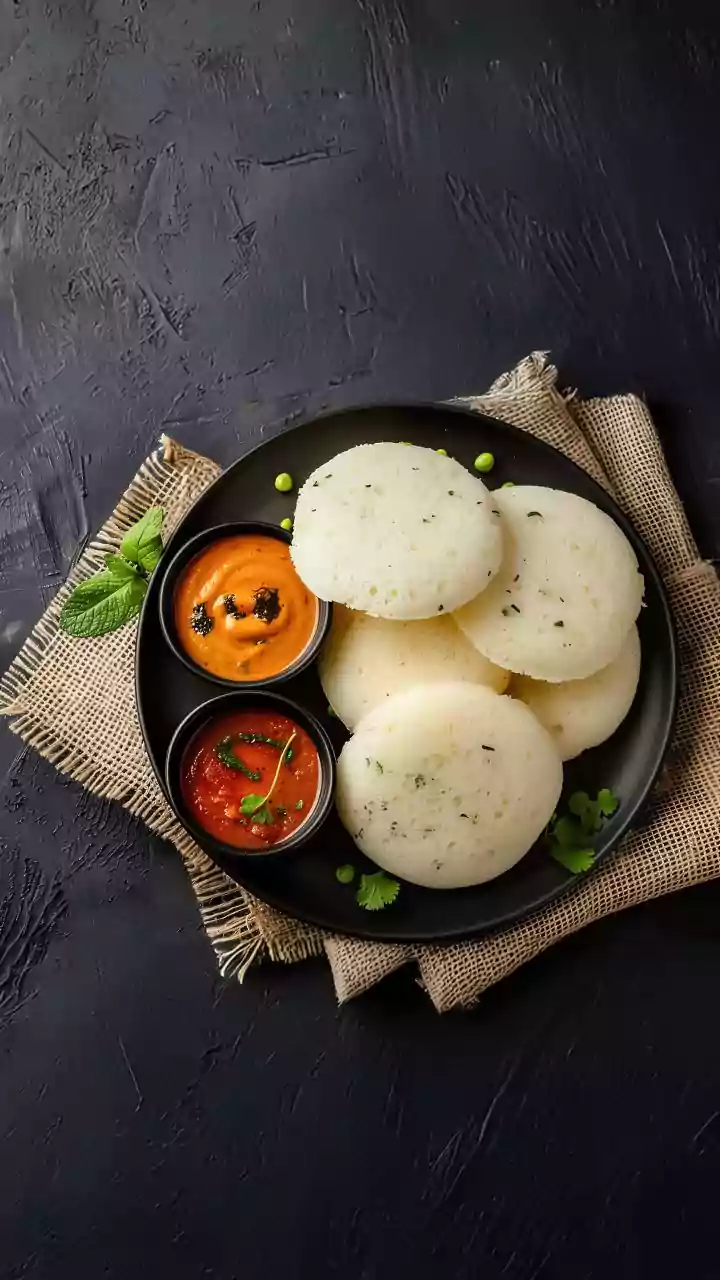

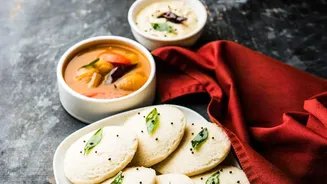

That fluffy idli for breakfast or a cooling glass of kanji isn't just comfort food; it's a nutritional powerhouse. The age-old process of fermentation unlocks a hidden world of benefits, making essential vitamins and minerals easier for your body to absorb.
The Simple Magic of Fermentation
At its heart, fermentation is a natural transformation. It's a process where beneficial microorganisms, like bacteria and yeasts, break down the complex components in food, such as starches and proteins. In the warm climate of India, this process happens readily, giving us staples like the sour batter for dosa and dhokla, tangy dahi (curd), and savoury pickles. This ancient technique doesn't just preserve food and create delicious flavours; it fundamentally changes its nutritional structure, turning everyday meals into something far more beneficial for our health.
Unlocking Your Food's Hidden Nutrients
Many plant-based foods, including the grains and lentils used to make our favourite dishes, contain compounds called 'anti-nutrients'. The most common one is phytic acid, which is found in cereals, legumes, nuts, and seeds. Phytic acid binds strongly to essential micronutrients like iron, zinc, calcium, and magnesium in your gut, forming insoluble complexes. This means that even if a food is rich in these minerals, your body can't access and absorb them effectively. It's like having a treasure chest without the key.
How Fermentation Comes to the Rescue
This is where fermentation works its magic. The microorganisms involved in the process produce enzymes, such as phytase, that break down anti-nutrients like phytic acid. By degrading these inhibitors, fermentation 'unlocks' the minerals, making them more bioavailable—meaning, your body can absorb and use them. Studies have shown that fermentation can significantly increase the absorption of crucial minerals like iron and zinc. Furthermore, the helpful microbes also synthesize new nutrients, boosting the levels of B vitamins, including B12, folate, and riboflavin, which are vital for energy and overall health.
Your Daily Guide to Fermented Goodness
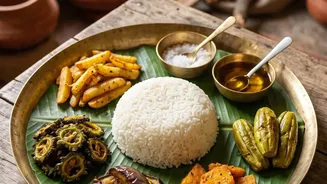
Incorporating these foods into your diet is simple, as many are already beloved staples in Indian households. Beyond the obvious idli, dosa, and dhokla, here are a few more to embrace: Dahi (Curd): A powerhouse of probiotics, homemade curd is one of the best sources of live beneficial bacteria.. Kanji: This tangy North Indian drink, made from fermented black carrots or beetroot, is packed with probiotics and antioxidants that support gut health.. Traditional Pickles (Achaar): Naturally fermented, salt-and-sun pickles (made without vinegar) promote the growth of good bacteria.. Pakhala: Popular in Eastern India, this dish of leftover rice soaked in water and lightly fermented overnight is excellent for gut health and cooling the body.. The key is consistency. A small portion of fermented food with your daily meals can make a significant difference.
More Than Just Nutrient Absorption
The benefits of fermentation extend beyond just micronutrients. The live probiotics in foods like dahi and kanji populate your gut with beneficial bacteria, creating a healthy gut microbiome. A balanced gut is the foundation of good health, influencing everything from digestion and immunity to mood and energy levels. Fermentation also pre-digests the food, breaking down complex carbohydrates and proteins. This is why fermented foods like idli are known to be light and easy on the stomach, making them a perfect meal for any time of day.