




The End of Top-Down Influence
The old system of trendsetting is officially broken. Gone are the days when a handful of glossy magazines and big-city billboards dictated what was beautiful. The catalyst for this change has been the dual explosion of affordable internet and smartphone
penetration across India. This digital democratization has shifted the balance of power from elite urban centres to a vast, connected network of young consumers in cities like Lucknow, Indore, Jaipur, and beyond. According to e-commerce giant Flipkart, two out of every three beauty-related searches on its platform now originate from non-metro markets, a clear signal that this audience is not just consuming, but actively seeking and shaping what’s next. They are no longer waiting to be told what’s in style; they are creating the style themselves.
Authenticity Over Aspiration
This new wave is championed by a different kind of icon: the regional influencer. Unlike celebrity ambassadors, these creators are gaining traction because of their relatability. They speak local dialects, understand nuanced cultural contexts, and create content that reflects the reality of their followers. Gen Z consumers are increasingly drawn to authenticity and expertise, trusting 'derm-fluencers' and peer reviews over traditional advertisements. This has forced brands to change their strategy, moving away from a one-size-fits-all approach to partner with micro-influencers who have genuine connections with their audience. The focus has shifted from unattainable perfection to achievable self-expression, with an emphasis on products that are science-backed, transparent about ingredients, and cater to real-world Indian skin tones and climatic conditions.
Global Trends, Desi Twist
Young consumers in smaller cities are not isolated from global phenomena. Influenced by K-dramas and social media, Korean beauty trends like 'glass skin' have found a massive audience across the country. However, this generation isn't simply copying and pasting. They are innovating, blending international trends with local traditions. This might mean incorporating Ayurvedic principles into a 10-step Korean skincare routine or finding budget-friendly local alternatives for high-end viral products. Brands are taking notice, formulating multi-functional products that deliver hydration, sun protection, and a sheer tint, all while standing up to the Indian climate. This fusion creates a unique, hyper-local aesthetic that is both globally aware and distinctly Indian.
The Direct-to-Consumer Engine
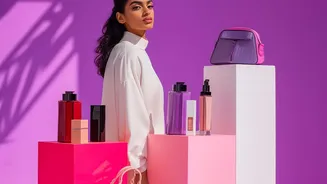
A trend is only as powerful as the ability to participate in it. The rise of Direct-to-Consumer (D2C) brands and the efficiency of e-commerce platforms have been crucial in empowering this new consumer base. Previously, access to a wide range of beauty products was limited outside of metros. Today, anyone with a smartphone can discover, research, and purchase products from hundreds of homegrown and international brands. This has been a game-changer, with D2C brands finding that over 60% of their new customers come from Tier-2 and Tier-3 cities. These brands thrive by offering ingredient transparency, personalized solutions, and value-premium products—addressing specific concerns like acne, pigmentation, and hair fall that resonate deeply with young Indian consumers.
A New Definition of Beauty
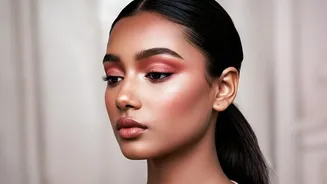
Ultimately, the shift is more than skin-deep. It represents a fundamental change in values. This generation is moving beyond outdated ideals, particularly the obsession with skin whitening, and is instead championing skin health, radiance, and inclusivity. They embrace concepts like body positivity and self-care, viewing makeup and skincare not as tools to hide flaws, but as forms of self-expression. They demand transparency, sustainability, and authenticity from the brands they support. By voting with their wallets and their social media feeds, Gen Z in India's heartland is not just reshaping trends; they are forging a more inclusive, diverse, and authentic future for the entire beauty industry.