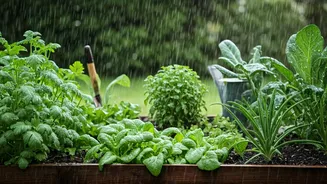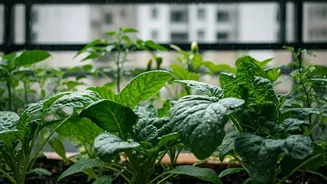





Why Grow During the Rains?
The idea of gardening in the monsoon might seem counterintuitive, but the season offers distinct advantages. The consistent moisture reduces the daily chore of watering, and the cooler, humid air is ideal for many leafy greens and creepers that struggle
in the summer heat. For city dwellers, this trend is about more than just convenience. It’s a way to ensure a supply of fresh, pesticide-free produce when market vegetables can be expensive or of questionable quality due to transport challenges. Moreover, the act of nurturing a plant from seed to harvest offers a powerful sense of connection to nature and a welcome mental health boost, especially on dreary, rainy days.
Your Monsoon Garden Starter Kit
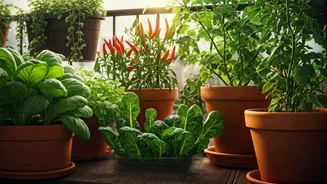
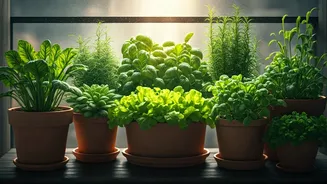
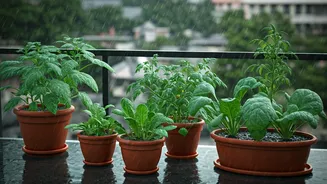
Getting started is simpler than you think. The single most important factor for a successful monsoon garden is drainage. Excess water is a bigger enemy than a lack of it. Choose pots with plenty of drainage holes. You can even drill extra ones. A light, well-draining soil mix is crucial. A simple combination of equal parts garden soil, cocopeat, and compost or vermicompost works wonders. This mix retains enough moisture for the plants but allows excess water to flow out, preventing root rot, the most common monsoon gardening ailment. Finally, try to place your pots where they get at least 4-5 hours of sunlight but are somewhat shielded from the most torrential downpours.
Easy Win: Leafy Greens
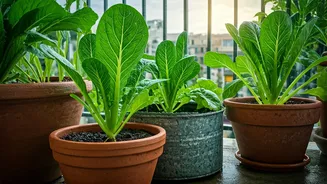
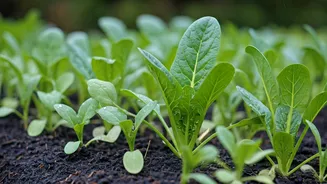
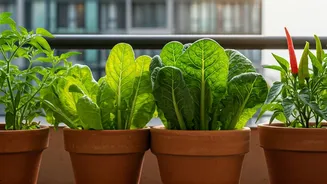
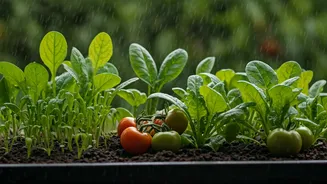
If you’re a beginner, leafy greens are your best friend. They grow quickly and offer multiple harvests. Spinach (Palak), Amaranth (Chaulai), and Malabar Spinach (Poi Saag) thrive in the rainy season. These can be grown in rectangular planters or even grow bags. You can start harvesting leaves within 4-5 weeks of sowing. The best part? You can snip off the outer leaves as needed, and the plant will continue to produce more from the centre. They are perfect for adding a fresh, homegrown touch to your daals, sabzis, and salads.
Vertical Stars: Creepers and Vines
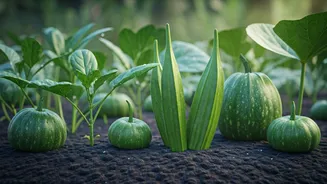
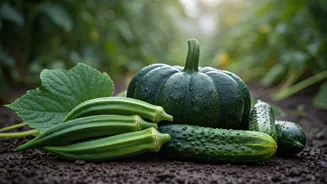
Have a sunny wall or a railing? Use it to grow creepers. Vegetables like cucumber (kheera), bottle gourd (lauki), and various types of beans flourish with the monsoon's humidity. They need larger containers (at least 12-15 inches deep) and a sturdy trellis or support system to climb. Watching these vines grow and produce fruit is incredibly rewarding. A single well-cared-for bottle gourd vine can yield several fruits over the season, giving you a real sense of accomplishment and a very tangible reward for your efforts.
Staples: Okra and Brinjal
Some of our favourite everyday vegetables are surprisingly easy to grow at home during the monsoon. Okra (bhindi) and brinjal (baingan) are relatively hardy and productive. They require full sun and large individual pots. For okra, sow the seeds directly into the pot, and you could be harvesting tender pods in about two months. Brinjal plants, often started from saplings, will also start fruiting around the same time. Having a fresh supply of these staples means you are always just a few steps away from a delicious home-cooked meal.
Quick Harvest: Radishes
For those seeking near-instant gratification, the radish (mooli) is an excellent choice. Many varieties are ready to harvest in just 30-45 days. They don't need deep pots, but they do need loose, unobstructed soil to allow the root to develop properly. Sowing a new batch every two weeks (a practice called succession planting) can give you a continuous supply throughout the monsoon. Even the leaves are edible and highly nutritious, making it a zero-waste vegetable to grow.