








The Great Visa Hurdle
Securing a Schengen visa, the key to 29 European countries, has become a significant source of anxiety for Indian travellers. Appointment slots at visa centres are scarce, and processing times have become longer and more unpredictable. While the official
guideline is fifteen days, real-world waiting periods can stretch to 30 or even 45 days during peak season. This uncertainty makes planning difficult, especially for those trying to coordinate with fixed school holidays or work leave. The issue is compounded by high rejection rates; in 2025, nearly one in five Indian applicants for a Schengen visa was turned away, resulting in millions lost in non-refundable application fees. This combination of long waits, uncertainty, and financial risk is a major deterrent for many would-be tourists.
The Soaring Cost of a Euro Trip
Even for those who successfully secure a visa, the cost of a European holiday has risen sharply. A combination of inflation in Europe, a weaker rupee, and elevated airfares means that every part of the trip is more expensive. Geopolitical tensions have forced some airlines to take longer routes, driving up fuel consumption and ticket prices. Travel industry experts estimate that overall overseas travel has become up to 20% more expensive, with trips to long-haul destinations like Europe and the US costing anywhere from ₹40,000 to ₹1 lakh more than they did previously for the same itinerary. This price surge affects everything from hotels and internal travel to daily expenses like food and sightseeing, pushing the dream trip out of budget for a growing number of middle-class families.
Asia's Welcoming Arms
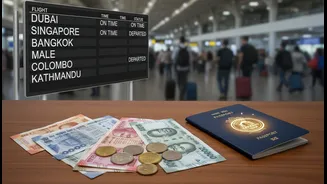
As Europe becomes more difficult to access, a growing number of Indian travellers are turning their attention closer to home. Destinations across Southeast and East Asia are experiencing a boom in popularity. Countries like Thailand, Vietnam, Malaysia, and Sri Lanka are attracting tourists with their simplified visa policies, including visa-free entry or easy e-visas. This removes a significant layer of stress and uncertainty from travel planning. Furthermore, these destinations offer far greater value for money. Shorter flight times, affordable accommodation, and lower on-ground expenses allow for more luxurious experiences on a smaller budget. Travel platforms report a significant decline in enquiries for Europe, while bookings for Asian destinations have jumped by 30-40% for families.
A New, Pragmatic Travel Mindset
This trend is more than just a reaction to logistical hurdles; it reflects a deeper change in the aspirations of Indian travellers. The prestige once associated with a European holiday is giving way to a more pragmatic mindset that prioritizes convenience, value, and unique experiences. Younger travellers, particularly Gen Z, are increasingly influenced by pop culture, leading to surging interest in Japan and South Korea. There is also a growing appetite for shorter, more frequent international holidays, which makes nearby Asian countries more appealing than long-haul European trips. This shift also benefits domestic tourism, with many choosing to explore destinations within India like Kerala, Meghalaya, and Goa instead of dealing with the expense and hassle of an overseas trip.